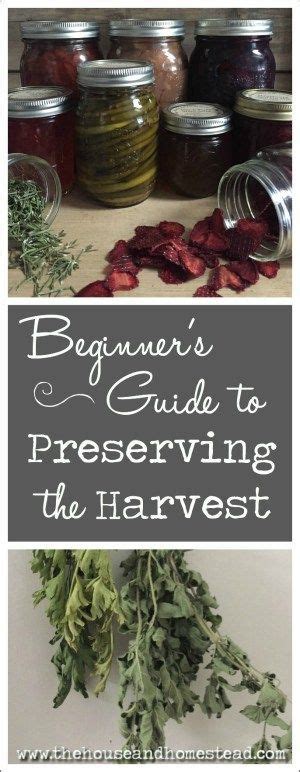
Simple real food recipes to preserve garden harvest for year-round country eating?

Embrace the Bounty: Preserving Your Garden’s Harvest
There’s an unparalleled satisfaction that comes from stepping into your garden, harvesting a basket full of fresh produce, and knowing that its goodness won’t be fleeting. For those embracing a country eating lifestyle, preserving the garden harvest is not just a tradition; it’s a way of life that ensures wholesome, real food is available long after the growing season ends. This guide will explore simple, accessible methods and recipes to stock your pantry and freezer with the fruits (and vegetables!) of your labor.
The Joy of Year-Round Country Eating
Imagine a cold winter day, opening a jar of vibrant tomato sauce made from summer-ripe tomatoes, or pulling perfectly blanched green beans from the freezer. This isn’t just about saving money; it’s about food security, enjoying peak-season flavors, and knowing exactly what’s in your food. By preserving your garden’s yield, you connect deeply with your food source and foster a sustainable, self-sufficient kitchen.
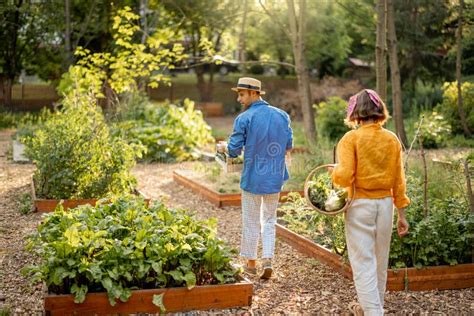
Essential Real Food Preservation Techniques
While some methods might seem daunting, many are surprisingly simple and require minimal special equipment. Focusing on real food means avoiding artificial preservatives and excessive sugar, allowing the natural flavors of your produce to shine.
1. Canning: Jams, Jellies, and Pickles
Canning uses heat to seal food in airtight jars, preventing spoilage. Water bath canning is suitable for high-acid foods like fruits, jams, jellies, pickles, and most tomatoes (often with added acid). Pressure canning is necessary for low-acid foods such as vegetables, meats, and soups.
2. Freezing: Lock in Freshness
Freezing is perhaps the easiest method for many garden vegetables and fruits. A quick blanch often helps maintain texture, color, and nutrients for vegetables, while fruits can often be frozen as-is or pureed.

3. Dehydrating: Concentrated Flavor
Removing moisture through dehydration (using a dehydrator or oven) concentrates flavors and allows for lightweight storage. This method is excellent for herbs, fruit leathers, sun-dried tomatoes, and even jerky.
4. Fermentation: Probiotic Powerhouses
Fermentation uses beneficial bacteria to transform vegetables into tangy, probiotic-rich foods like sauerkraut, kimchi, and lacto-fermented pickles. It’s a low-tech method that adds incredible depth of flavor and health benefits.

Simple Recipes to Get Started
Quick Dill Pickles (Water Bath Canning)
- Ingredients: Cucumbers (pickling variety), white vinegar, water, pickling salt, fresh dill, garlic cloves, mustard seeds, peppercorns.
- Method: Pack sliced or whole cucumbers tightly into sterilized pint jars with dill, garlic, and spices. Bring a brine of vinegar, water, and salt to a boil. Pour hot brine over cucumbers, leaving 1/2 inch headspace. Process in a boiling water bath for 10-15 minutes (adjust for altitude).
Frozen Blanched Green Beans
- Ingredients: Fresh green beans.
- Method: Trim and wash green beans. Blanch in boiling water for 3 minutes, then immediately plunge into ice water to stop cooking. Drain thoroughly, pat dry, and pack into freezer-safe bags, removing as much air as possible. Label and freeze for up to 8-12 months.
Homemade Tomato Sauce Base (Freezer Method)
- Ingredients: Ripe tomatoes, onions, garlic, olive oil, basil, salt, pepper.
- Method: Core and quarter tomatoes. Sauté chopped onions and garlic in olive oil until softened. Add tomatoes, basil, salt, and pepper. Simmer gently until tomatoes break down and sauce thickens (1-2 hours). Pass through a food mill or blend for a smoother sauce. Let cool completely, then portion into freezer-safe containers or bags.
Basic Sauerkraut
- Ingredients: Green cabbage, non-iodized salt.
- Method: Shred cabbage finely. In a large bowl, massage cabbage with salt (about 1.5-2 tablespoons per 2 pounds of cabbage) until it releases a good amount of liquid. Pack tightly into a clean glass jar, pressing down to submerge cabbage under its brine. Use a weight (like a smaller jar filled with water or a clean rock) to keep cabbage submerged. Cover loosely and ferment at room temperature for 1-4 weeks, tasting periodically.

Tips for Successful Preservation
- Start Small: Don’t try to preserve your entire harvest in one go. Pick one or two methods and master them.
- Use Peak Quality Produce: The quality of your preserved food is directly related to the freshness and ripeness of the produce you start with.
- Cleanliness is Key: Always sterilize jars, lids, and equipment when canning or fermenting to prevent spoilage.
- Label Everything: Include the date and contents. Trust us, you won’t remember otherwise!
- Follow Recipes: Especially for canning, adhere to tested recipes for safety.
Conclusion: Savoring Your Hard Work
Preserving your garden harvest is a rewarding endeavor that extends the flavors of summer into every season. By embracing these simple, real food recipes and techniques, you’ll build a pantry brimming with wholesome goodness, ready to nourish your family year-round. It’s a tangible connection to the land, a testament to your efforts, and a delicious pathway to sustainable country eating.