




Simple steps for homemade compost to enrich garden soil naturally?

Unlock the Secret to a Thriving Garden with Homemade Compost
Imagine a garden where your plants burst with vitality, your soil teems with life, and you’re recycling waste in the most beneficial way possible. This isn’t a gardener’s fantasy; it’s the reality achievable with homemade compost. Often referred to as ‘black gold,’ compost is a magical soil amendment created from decomposed organic matter. It improves soil structure, provides essential nutrients, helps retain moisture, and suppresses plant diseases—all without a single chemical additive.
Why Compost? The Natural Elixir for Your Garden
Composting isn’t just about reducing waste; it’s about investing in the long-term health of your garden. By adding compost, you’re not just fertilizing; you’re building a vibrant ecosystem beneath the surface. It enhances sandy soils by improving water retention and gives heavy clay soils better drainage and aeration. Plus, it introduces beneficial microorganisms that ward off pests and diseases, leading to more resilient and productive plants.
Getting Started: Choosing Your Composting Method
The beauty of composting is its flexibility. You don’t need fancy equipment; a simple pile in a corner of your yard can work wonders. However, various options exist, from open bins made of wood or wire mesh to enclosed tumblers and worm composting (vermicomposting). Choose a method that suits your space, budget, and the amount of organic waste you generate.
Regardless of your chosen method, select a shady or semi-shady spot for your compost bin or pile. This helps prevent it from drying out too quickly, especially in warmer climates. Ensure it’s easily accessible for adding materials and turning, but not too close to your home to avoid potential odors (which are rare in a well-managed pile).
The Golden Ratio: Understanding Greens and Browns
The key to successful composting lies in balancing ‘greens’ (nitrogen-rich materials) and ‘browns’ (carbon-rich materials). A good rule of thumb is to aim for roughly a 2:1 or 3:1 ratio of browns to greens by volume. This balance ensures optimal decomposition without generating unpleasant odors.
What are “Greens”?
- Kitchen scraps (fruit and vegetable peels, coffee grounds, tea bags, eggshells)
- Grass clippings
- Fresh plant trimmings
- Manure (from herbivores like horses, cows, chickens, rabbits)
What are “Browns”?
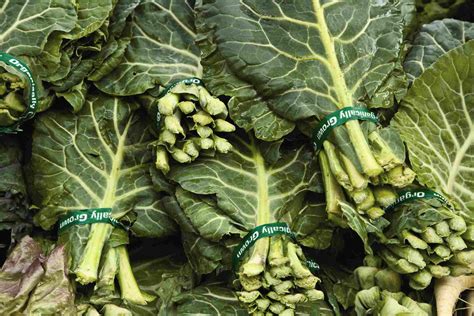
- Fallen leaves
- Shredded newspaper and cardboard (non-glossy)
- Sawdust and wood chips (in moderation)
- Straw or hay
- Dry plant stalks
Avoid adding meat, dairy products, oily foods, diseased plants, or pet waste (from carnivorous animals) to your compost, as these can attract pests and introduce pathogens.
Building Your Compost Pile Layer by Layer
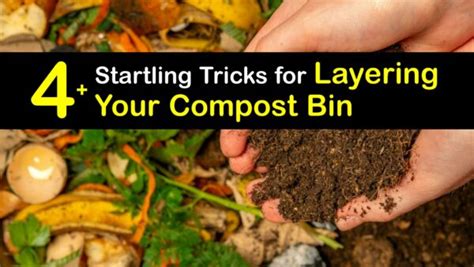
Think of building your compost pile like constructing a delicious lasagna for your soil. Layering helps distribute the different materials evenly, promoting better aeration and decomposition.
Step 1: Start with a Base
Begin your pile with a 4-6 inch layer of coarse brown material, like twigs or straw. This provides good drainage and aeration at the bottom.
Step 2: Alternate Layers
Follow with alternating layers of greens and browns, each roughly 2-4 inches thick. For example, a layer of kitchen scraps (greens) followed by a layer of shredded leaves (browns).
Step 3: Add Soil and Water
Periodically, sprinkle a thin layer of garden soil or finished compost over your new additions. This introduces beneficial microorganisms that kickstart the decomposition process. Lightly water each new layer until it’s damp, but not soaking wet—think of a wrung-out sponge.
Nurturing Your Composting Ecosystem
Once your pile is built, it needs a little care to thrive. Just like any living system, your compost pile requires oxygen and moisture.
Keep it Moist, Not Soggy
The microorganisms responsible for decomposition need moisture to survive. Check your pile regularly; if it feels dry, give it a good watering. If it’s too wet and smells putrid, add more brown materials to absorb excess moisture.
Turn and Aerate Regularly
Turning your compost pile with a pitchfork or aerating tool introduces oxygen, which speeds up decomposition and prevents anaerobic (smelly) conditions. Aim to turn it every week or two, especially if you want fast compost. If you’re less concerned about speed, turning it less often is fine, but it will take longer to break down.
Be Patient
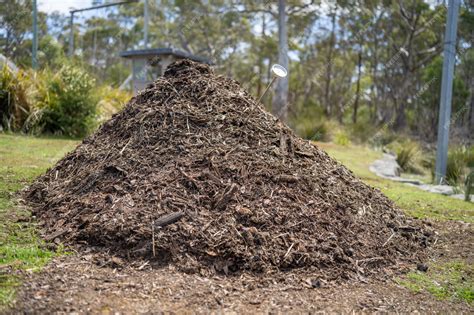
Composting takes time. Depending on the materials used, the moisture content, and how often you turn it, a batch of compost can be ready in anywhere from two months to a year. Hot composting (more frequent turning, ideal greens/browns ratio) can yield compost faster, while passive composting takes longer.
Harvesting and Using Your Black Gold
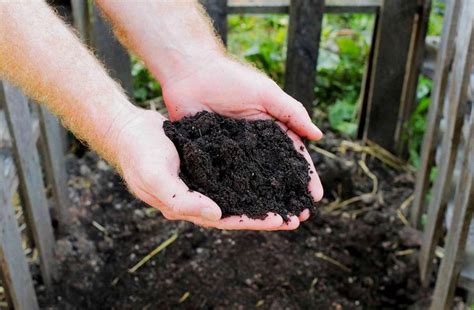
You’ll know your compost is ready when it’s dark brown or black, crumbly, and smells like fresh earth—not like the original organic materials. It should be uniform in texture with no recognizable food scraps or leaves, except perhaps some slower-decomposing woody bits.
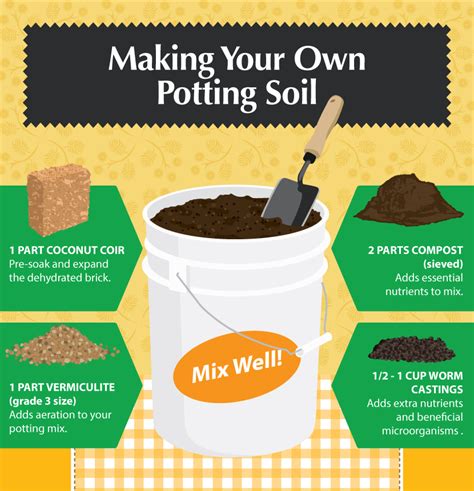
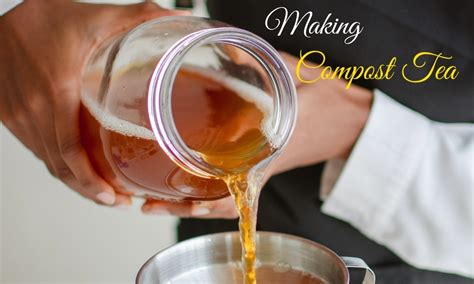
To use, simply spread a 1-2 inch layer of finished compost over your garden beds in spring or fall, working it gently into the top few inches of soil. You can also mix it into potting soil for containers, use it as a top dressing around established plants, or brew it into ‘compost tea’ for a liquid feed. Your plants will thank you with vigorous growth and abundant yields.

Conclusion: Embrace the Composting Journey
Making homemade compost is a rewarding and eco-friendly practice that transforms waste into a valuable resource for your garden. It’s a simple process that anyone can master, offering tangible benefits for your plants, your soil, and the environment. By taking these easy steps, you’re not just creating compost; you’re cultivating a healthier, more sustainable garden naturally. So grab your scraps and leaves, and start your composting adventure today!