

Simple steps for safely water bath canning garden pickles?

Transforming your bountiful garden harvest into delicious, shelf-stable pickles is a rewarding experience. Water bath canning is a simple and effective method for preserving high-acid foods like pickles. This guide will walk you through the essential steps to safely can your garden cucumbers, ensuring crunchy, flavorful results that you can enjoy all year round.
Essential Equipment and Ingredients
Before you begin, gather all necessary tools and ingredients. Having everything at hand will make the process smooth and stress-free.
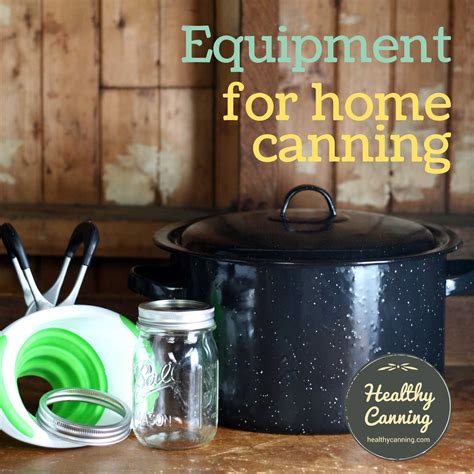
- Canning Jars: Mason jars (pint or quart size) with new lids and bands. Ensure they are clean and free of chips or cracks.
- Water Bath Canner: A large pot with a lid and a rack, deep enough to cover jars by at least an inch of water.
- Canning Utensils: Jar lifter, canning funnel, headspace tool, bubble remover/non-metallic spatula.
- Ingredients: Fresh pickling cucumbers, pickling salt (non-iodized), white vinegar (5% acidity), fresh dill, garlic, pickling spices, and filtered water.
Preparing Your Pickles for Canning
The success of your canned pickles starts with proper preparation of both the cucumbers and the brine.
- Wash and Prepare Cucumbers: Thoroughly wash cucumbers. You can slice them into rounds, spears, or leave them whole if they are small. For extra crispness, some people soak cucumbers in an ice bath for a few hours before pickling.
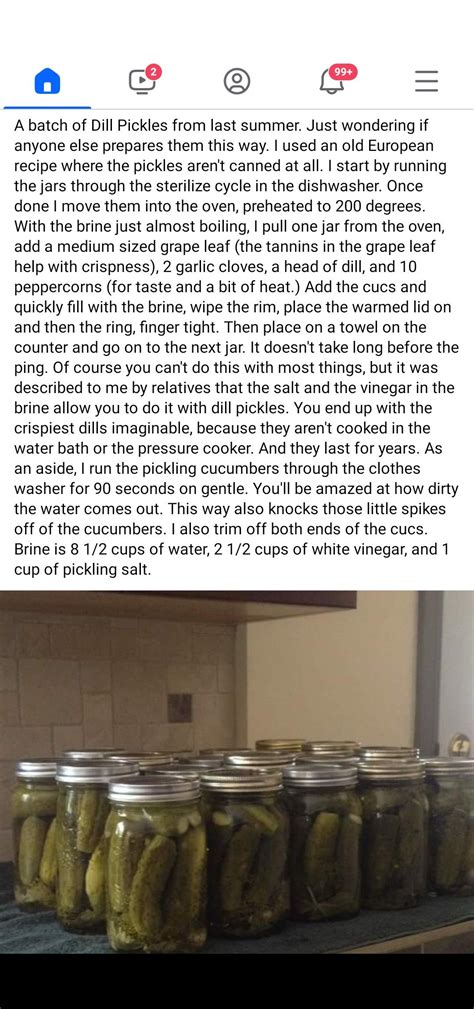
- Sterilize Jars and Lids: While some modern recommendations suggest simply washing jars in hot, soapy water and keeping them hot, for peace of mind, many prefer to sterilize jars by simmering them in hot water. Lids should be simmered in hot (not boiling) water just before use to soften the sealing compound.
- Prepare Brine: In a large pot, combine white vinegar, water, and pickling salt. Bring to a rolling boil, stirring to dissolve the salt completely. Keep the brine hot.
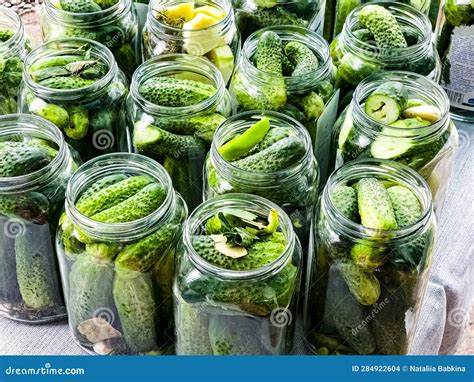
- Pack Jars: Place dill, garlic, and pickling spices (if using) at the bottom of each hot jar. Tightly pack cucumbers into the hot jars, leaving 1/2 inch of headspace from the rim.
- Fill with Brine: Carefully pour the hot brine over the packed cucumbers, ensuring they are completely submerged. Maintain 1/2 inch of headspace.
- Remove Air Bubbles: Use a non-metallic utensil to gently slide around the inside of the jar to release any trapped air bubbles. Adjust headspace by adding more brine if necessary.
- Wipe Rims and Seal: Wipe jar rims clean with a damp cloth. Center a hot lid on each jar and screw on the bands finger-tight (just until resistance is met, then a little more).
The Water Bath Canning Process
This is where the magic happens, creating a vacuum seal and safely preserving your pickles.
- Preheat Canner: Fill your water bath canner halfway with water and bring it to a simmer (180°F / 82°C).
- Load Jars: Carefully place the filled and sealed jars onto the rack in the canner using a jar lifter. Ensure jars do not touch each other.
- Add Water and Process: Add more hot water if needed, ensuring jars are covered by at least 1-2 inches of water. Place the lid on the canner and bring the water to a full rolling boil.
- Start Timer: Once the water reaches a full boil, start your processing time. Refer to a reliable canning guide (like the USDA’s) for specific times based on your altitude and recipe (e.g., typically 10-15 minutes for most pickle recipes).
- Cool Down: After the processing time is complete, turn off the heat. Remove the canner lid and let the jars sit in the hot water for 5 minutes. This helps prevent “siphoning” (loss of liquid from jars).
- Remove and Cool: Using the jar lifter, carefully transfer the hot jars to a clean towel on a counter or wire rack, ensuring there’s space between jars for air circulation. Do not tighten bands further.
Ensuring Canning Safety
Food safety is paramount when canning. Following these guidelines is crucial to prevent spoilage and foodborne illness.
- Always Use Tested Recipes: Stick to recipes from reputable sources like the USDA, university extensions, or trusted canning books. Do not alter vinegar-to-water ratios, as this affects acidity and safety.
- Maintain Acidity: Pickles are high-acid foods, making them safe for water bath canning. Always use vinegar with at least 5% acidity.
- Proper Headspace: Too little headspace can cause food to boil out during processing; too much can prevent a proper seal. Stick to the recommended 1/2 inch for pickles.
- Check Seals: After 12-24 hours of cooling, check for seals. Remove bands and press down on the center of each lid. If it doesn’t flex, it’s sealed. If a jar hasn’t sealed, refrigerate it and consume within a few weeks, or reprocess within 24 hours with a new lid.
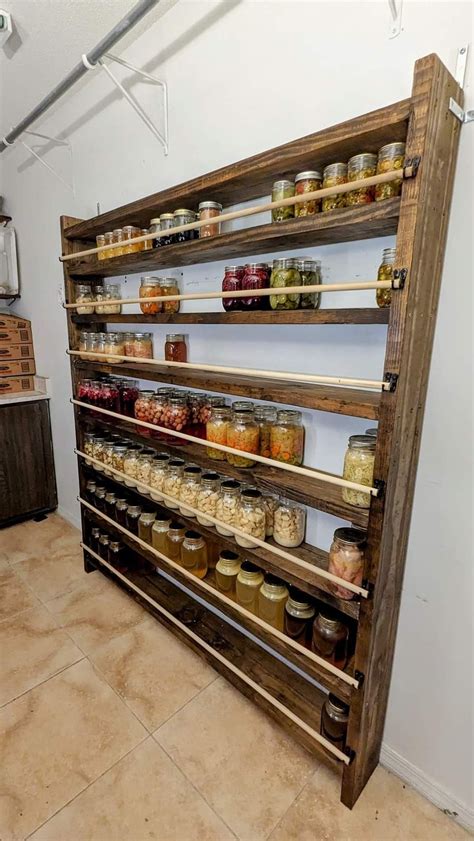
- Store Properly: Store sealed jars in a cool, dark, dry place without the bands on (this allows you to easily identify if a seal has broken).
Enjoy Your Homemade Pickles!
Water bath canning garden pickles is an incredibly satisfying way to extend the life of your harvest and enjoy fresh flavors all year. By following these simple steps and prioritizing safety, you’ll soon have a pantry stocked with delicious, homemade preserves. Remember to label your jars with the contents and date, and share your crunchy creations with friends and family!