
Simple steps to naturally improve clay soil for a thriving vegetable garden?

Clay soil, with its dense structure and poor drainage, can be a daunting challenge for any aspiring vegetable gardener. While it holds nutrients well, its compaction makes root growth difficult and water management tricky. The good news is that you don’t need harsh chemicals or heavy machinery to transform it. With a few simple, natural steps and a little patience, you can turn that sticky clay into a rich, friable medium perfect for a flourishing garden.
Understanding Your Clay Soil
Clay soil is characterized by its very fine particles, which pack tightly together, leaving little space for air and water to move freely. This leads to slow drainage, waterlogging, and a tendency to become rock-hard when dry. However, these fine particles are also excellent at retaining moisture and nutrients, meaning your soil has great potential once its structure is improved.
Embrace the Power of Organic Matter
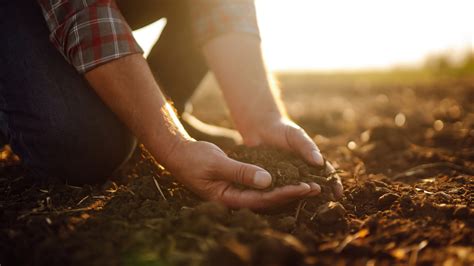
This is by far the most crucial step in improving clay soil. Organic matter acts like a magic ingredient, breaking up the dense structure, improving drainage, and enhancing aeration. It also provides a slow-release source of nutrients and feeds beneficial soil microbes.
What to Add:
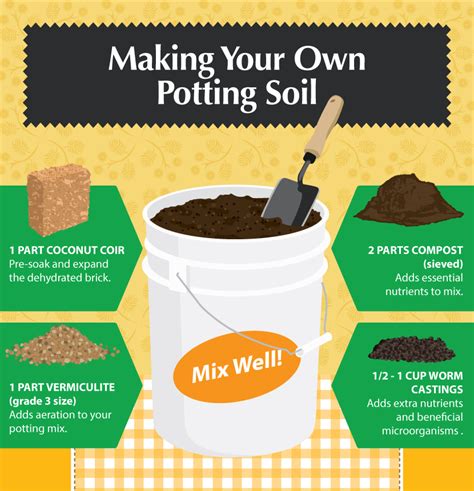
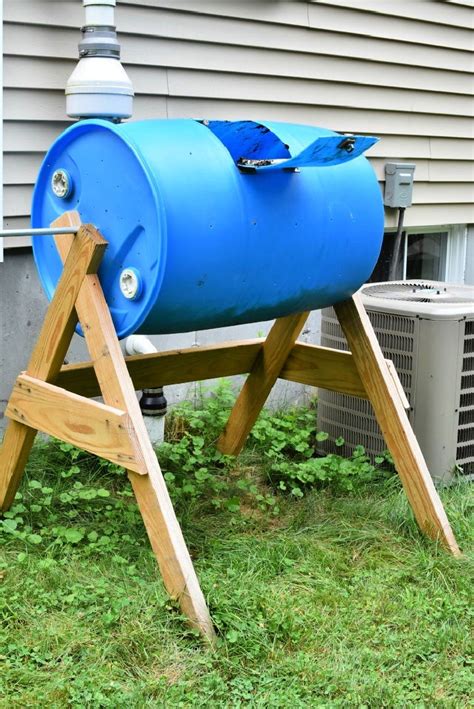
- Compost: Well-rotted compost is king. It’s balanced, nutrient-rich, and incredibly effective. Aim to add a 2-4 inch layer annually, mixing it into the top 6-12 inches of soil.
- Aged Manure: Cow, horse, or chicken manure, fully composted for at least six months, adds significant organic content and nutrients. Never use fresh manure directly on garden beds, as it can burn plants.
- Leaf Mold: Decomposed leaves are fantastic for improving soil structure and water retention.
- Shredded Bark or Wood Chips (fine grade): While slower to break down, these can contribute to long-term soil structure improvement.
The key is consistency. Regularly incorporating organic matter will gradually transform your clay soil over time, making it easier to work with and more productive.
Consider Raised Beds or Double Digging
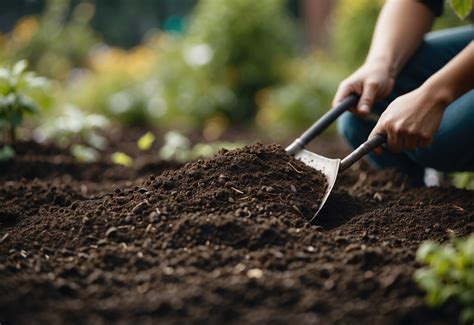
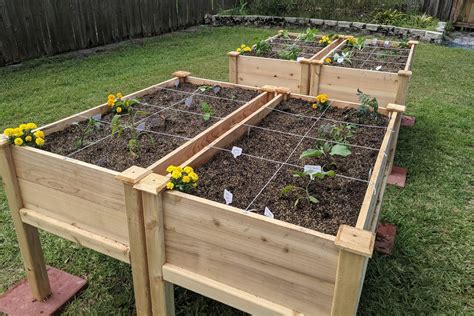
For immediate results or particularly challenging areas, creating raised beds can circumvent many clay soil issues. Filling them with a high-quality soil mix (a blend of topsoil, compost, and some sand) gives your plants an ideal environment from day one. If you prefer in-ground beds, consider the practice of “double digging” when establishing new areas. This involves digging down two spade depths, breaking up the subsoil, and incorporating plenty of organic matter throughout the layers.
Integrate Cover Cropping (Green Manure)
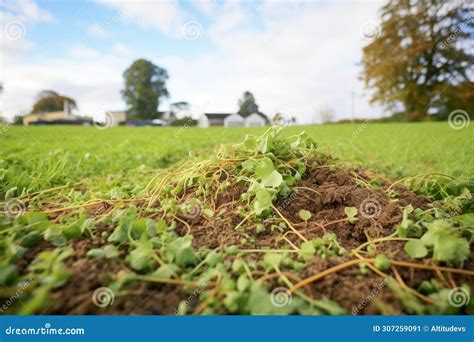
When garden beds are fallow, plant cover crops like clover, vetch, rye, or buckwheat. These “green manures” protect the soil from erosion, suppress weeds, and, most importantly, improve soil structure. Their roots penetrate deep into the compacted clay, creating channels for air and water. When tilled into the soil before flowering, they add a substantial amount of organic matter, further enhancing fertility and structure.
Mulch for Moisture and Soil Health
Applying a thick layer of organic mulch (such as straw, wood chips, or shredded leaves) around your plants offers multiple benefits for clay soil. It moderates soil temperature, conserves moisture (reducing the hard crust that forms when clay dries), suppresses weeds, and as it slowly breaks down, it adds even more organic matter to the soil surface. This continuous, gentle contribution to organic matter from the top down is excellent for long-term improvement.

Avoid Compaction at All Costs
Once you start improving your clay soil, it’s crucial to prevent it from becoming re-compacted. Avoid walking directly on your garden beds, especially when the soil is wet. Use designated pathways or stepping stones. Also, avoid tilling or working the soil when it’s very wet, as this can destroy the newly formed aggregates and worsen compaction.
Patience and Persistence are Your Best Tools
Improving clay soil is not an overnight fix; it’s a gradual process. Each year, as you continue to add organic matter and follow these practices, you’ll notice significant improvements in drainage, workability, and plant health. Your thriving vegetable garden will be a testament to your efforts and the power of natural soil building.
By consistently applying these natural methods, you’ll transform your challenging clay soil into a vibrant, living ecosystem that supports abundant and healthy vegetable harvests year after year.