




Simple, tested ways to preserve excess garden produce for winter pantry use?

The joy of a bountiful garden harvest is unparalleled, but it often comes with a delightful dilemma: what to do with all that excess produce? As summer fades and the chill of autumn approaches, the thought of enjoying your homegrown goodness throughout the lean winter months becomes a comforting one. Thankfully, many time-honored preservation techniques are not only simple and effective but also incredibly rewarding. Equipping your winter pantry with your own preserved fruits and vegetables is a hallmark of country living and self-sufficiency.
Embracing the Harvest: Why Preserve?
Preserving your garden’s yield isn’t just about preventing waste; it’s about extending the flavors of summer, ensuring a supply of wholesome food, and saving money on groceries. It connects you deeply with the food you eat and offers immense satisfaction knowing you’ve provided for your family. From crisp green beans to sweet peaches, every jar, bag, or dried slice represents a small victory against the winter blues.
The Art of Canning: Jars of Summer Sunshine
Canning is perhaps the most iconic method for long-term food storage, transforming fresh produce into shelf-stable pantry staples. It involves sealing food in airtight jars and then heating them to destroy spoilage microorganisms. The two primary methods are water bath canning and pressure canning.
Water Bath Canning
Ideal for high-acid foods such as fruits, jams, jellies, pickles, and tomatoes (with added acid), water bath canning uses boiling water to process jars. It’s a relatively simple process that requires minimal special equipment beyond a large pot with a rack, canning jars, lids, and rings. The intense heat creates a vacuum seal, keeping your food fresh for a year or more.
Pressure Canning
For low-acid foods like most vegetables (green beans, corn, carrots), meats, and mixed recipes like soups, a pressure canner is essential. These foods require higher temperatures than boiling water can achieve to safely eliminate harmful bacteria. While it might seem intimidating at first, modern pressure canners are safe and efficient when instructions are followed carefully.
Freezing for Freshness: Lock in Flavor and Nutrients
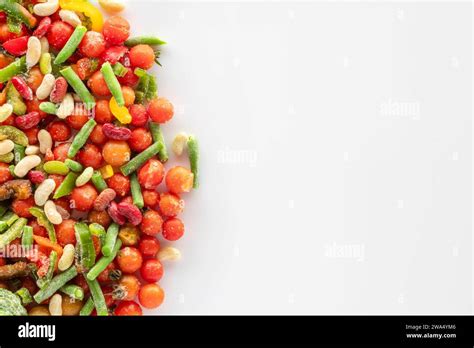
Freezing is arguably the simplest and quickest way to preserve most fruits and vegetables while retaining much of their flavor, texture, and nutritional value. Most vegetables require blanching (briefly boiling then rapidly cooling) before freezing to stop enzyme action that can degrade quality. Fruits can often be frozen raw, sometimes with a light sugar syrup or dry packed.
From berries and peaches to corn, peas, and leafy greens, almost any garden produce can be frozen. Proper packaging in freezer-safe bags or containers is key to prevent freezer burn and maintain quality for 8-12 months.
Dehydrating Nature’s Goodness: Concentrated Flavors
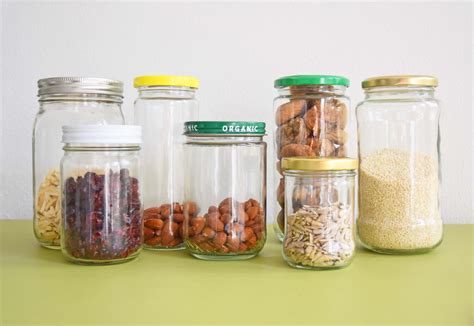
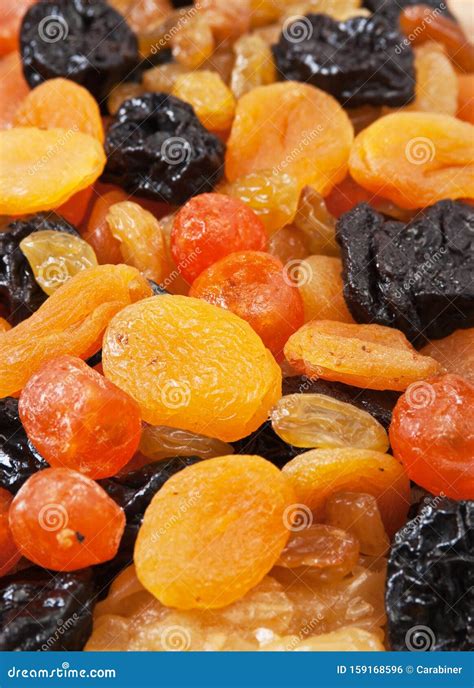
Drying, or dehydrating, is an ancient preservation method that removes moisture from food, inhibiting microbial growth. This process concentrates flavors and nutrients, making dried produce lightweight and ideal for snacks, cooking, and camping. Foods can be dried using a dedicated food dehydrator, an oven set to its lowest temperature, or even in the sun in arid climates.
Apples, pears, berries, herbs, tomatoes, and even zucchini can be transformed into delicious, shelf-stable ingredients. Dried herbs are potent, while dried fruit makes a fantastic sweet treat. Store dried foods in airtight containers in a cool, dark place.
Cool Storage and Root Cellaring: The Low-Tech Solution
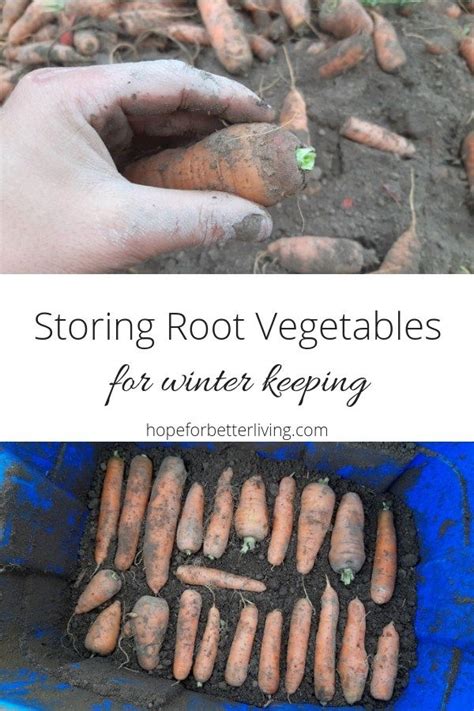
For certain root vegetables and fruits, simply providing the right cool, dark, and humid environment can extend their shelf life for many months. This method requires no electricity or special processing, making it incredibly appealing for a country living aesthetic. A dedicated root cellar, an unheated basement corner, or even a buried container can serve the purpose.
Potatoes, carrots, beets, onions, winter squash, and apples are excellent candidates for cool storage. Ensure adequate ventilation and check stored produce regularly for any signs of spoilage to prevent it from spreading.

Beyond the Basics: Other Simple Options
While canning, freezing, drying, and cool storage are the mainstays, other simple methods can also help manage your garden bounty:
- Fermentation: Transforming cabbage into sauerkraut or cucumbers into pickles through lacto-fermentation adds probiotic benefits and unique flavors.
- Vinegar Pickling: A quick and easy way to preserve vegetables like cucumbers, beans, or peppers in a vinegar brine.
- Jams and Jellies: A classic use for fruit, transforming it into delicious spreads.
Tips for Successful Preservation
- Start with Quality: Always use the freshest, blemish-free produce for the best results.
- Follow Tested Recipes: Especially with canning, always use recipes from reputable sources like extension offices or trusted cookbooks to ensure safety.
- Label Everything: Include the date and contents on every jar or package.
- Invest Gradually: You don’t need all the equipment at once. Start with one method and expand as you gain confidence.
Conclusion
Preserving your garden’s abundance is a deeply satisfying aspect of country living. Whether you choose the timeless art of canning, the modern convenience of freezing, the ancient wisdom of drying, or the simple elegance of cool storage, each method offers a unique way to keep the flavors of your garden alive through the winter. Embrace the process, experiment with different techniques, and soon your winter pantry will be a testament to your harvest and your ingenuity.