
Simple ways to involve kids in garden chores & real food preservation?

Cultivating Curiosity: Getting Kids Involved in the Garden
Gardening offers a wonderful opportunity to connect children with nature, teach them patience, and show them where their food truly comes from. Beyond the fresh air and sunshine, involving kids in garden chores can instill a sense of responsibility and foster a lifelong appreciation for healthy eating. Starting young, even with the simplest tasks, can make a significant difference.
For toddlers and preschoolers, the garden can be a magical playground. Simple activities like watering plants with a small can, digging in the soil (with supervision!), or helping to pick ripe berries are excellent entry points. These tasks engage their senses and provide immediate gratification, making the experience exciting and memorable.
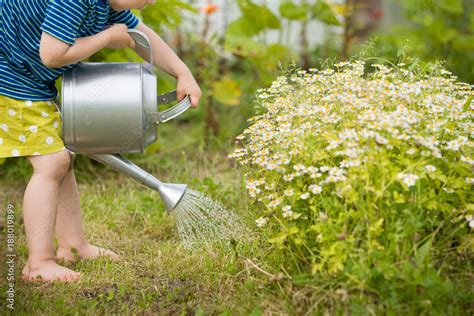
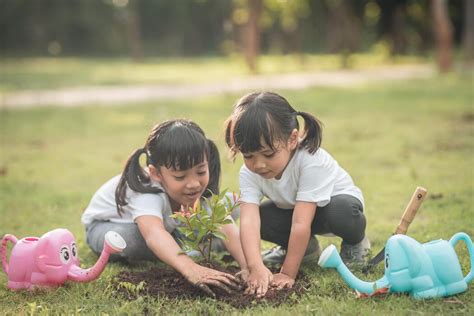
As children grow older, they can take on more responsibility. Elementary-aged kids can help with planting seeds or seedlings, carefully weeding garden beds, or even planning small sections of the garden. Teach them about different plant needs, the importance of sunlight, and how water helps plants grow. Empowering them with their own small set of gardening tools can also boost their enthusiasm and sense of ownership.
Making Garden Chores an Adventure, Not a Chore
The key to successful engagement is to make garden work feel like an adventure rather than a tedious task. Turn weeding into a treasure hunt for ‘bad’ plants, or challenge them to find the biggest tomato or the juiciest strawberry. Assigning them their ‘own’ plant or small plot to care for can make them feel responsible and proud of their efforts.
Incorporate learning by identifying insects (both helpful and harmful), observing earthworms, and discussing the life cycle of plants. Reading books about gardening together can also spark interest and provide context. Remember to keep sessions short, especially for younger children, and always praise their efforts, regardless of the outcome.
Harvesting Lessons: Kids in Real Food Preservation
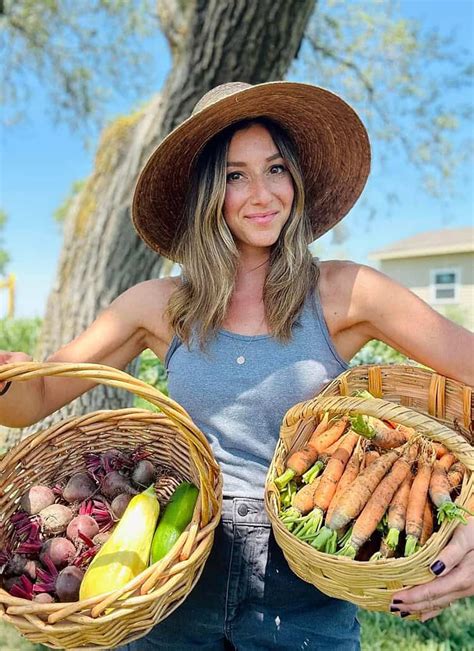
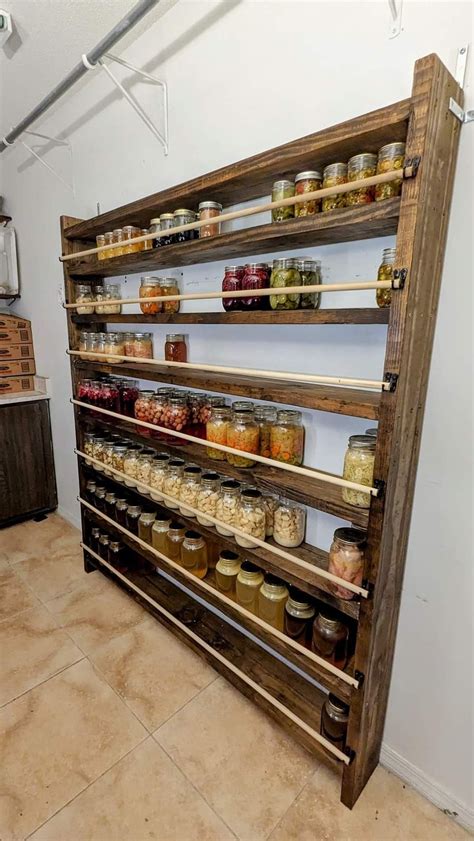
Once the harvest comes in, the learning doesn’t stop. Involving children in food preservation extends their understanding of the food journey, teaches valuable life skills, and reduces food waste. It’s a tangible way to show them how to make the most of nature’s bounty and enjoy homegrown flavors year-round.
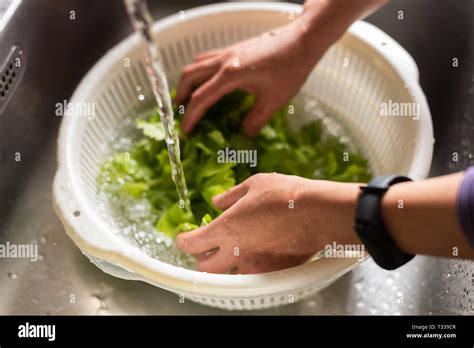
Start with the basics: washing and sorting vegetables and fruits are simple tasks for almost any age. They learn about cleanliness and how to identify good produce. Moving into more involved preservation methods can be incredibly rewarding, especially when they get to enjoy the fruits (and vegetables!) of their labor later.
Age-Appropriate Preservation Activities
- Toddlers & Preschoolers: Rinsing berries, snapping green beans, stirring ingredients in a bowl (with supervision), tearing lettuce for salads, helping to decorate labels for jars.
- Elementary-Aged Children: Pitting cherries, hulling strawberries, measuring non-hot ingredients, stirring jam (with adult supervision and safety gear), filling jars (away from hot contents), arranging herbs on a drying rack. They can also help wash and chop softer vegetables for freezing.
- Pre-Teens & Teenagers: Under close supervision, they can handle more complex tasks like peeling and chopping harder vegetables, operating a food dehydrator, assisting with water bath canning processes (e.g., loading jars into the canner), and even following simple jam or pickle recipes. This is a great age to teach about food safety and proper sterilization.
The Long-Term Harvest: Skills and Appreciation
Involving kids in gardening and food preservation teaches invaluable lessons beyond just growing and saving food. They learn about delayed gratification, the science of nature, and the satisfaction of contributing to the family. It fosters an understanding of where food comes from, encouraging healthier eating habits and a deeper respect for our planet’s resources.
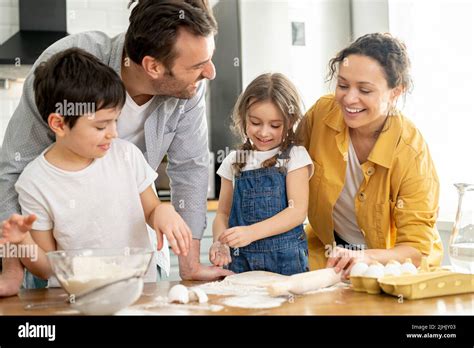
These activities also create lasting family memories, fostering communication and teamwork. Imagine the pride in their eyes when they taste a pickle they helped make or share a jar of jam with a friend, knowing they played a part from seed to plate. Empowering children with these practical skills builds confidence and resilience, preparing them for a future where self-sufficiency and an appreciation for real food are more valuable than ever.