


Simple ways to involve kids in garden tasks & scratch cooking daily?

Bringing children into the rhythm of daily garden tasks and scratch cooking isn’t just about getting chores done; it’s about cultivating a deeper connection with nature, understanding where food comes from, and developing essential life skills. In a world increasingly disconnected from the origins of our meals, these simple activities offer invaluable lessons and opportunities for family bonding.
Why Involve Kids? The Benefits Blossom
Beyond the immediate help, engaging kids in these activities offers a myriad of developmental advantages. They learn patience tending to plants, develop fine motor skills chopping vegetables, gain an appreciation for healthy food, and boost their self-confidence when they see the fruits (and vegetables!) of their labor. It’s a hands-on education that builds resilience, curiosity, and a sense of responsibility.
Cultivating Green Thumbs: Garden Tasks Made Fun
Making gardening appealing to children means focusing on tasks that are age-appropriate, quick, and visible in their impact. Start small and let their curiosity lead the way.
For Toddlers & Preschoolers:
- Watering Duty: Give them a small watering can. They love splashing!
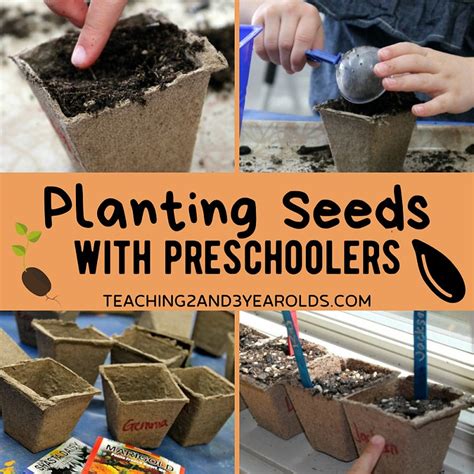
- Seed Planting: Large seeds like beans, peas, or sunflowers are easy for tiny fingers to handle.
- Harvesting Simple Crops: Picking cherry tomatoes, snap peas, or strawberries is incredibly rewarding.
- Weed Patrol: Show them how to identify “bad” plants and let them pull (supervised, of course).
For School-Aged Children:
- Garden Planning: Involve them in choosing what to plant and where.
- Soil Preparation: Digging, raking, and adding compost can be a great workout.
- Pest Patrol: Teach them about beneficial insects and how to spot garden pests.
- Composting: Turning food scraps into garden gold is a fascinating science lesson.
Remember to provide kid-sized tools and designate a small section of the garden just for them to manage. Let them make mistakes and learn from them.

Whipping Up Wonders: Scratch Cooking Daily
The kitchen is a fantastic classroom. Involving children in scratch cooking not only teaches them vital life skills but also encourages healthier eating habits and makes mealtime a more collaborative, enjoyable experience. Even busy weekdays can accommodate simple cooking contributions.
Simple Kitchen Tasks by Age:
- Toddlers & Preschoolers: Washing fruits and vegetables, stirring cold ingredients, tearing lettuce for salads, mashing soft foods (like bananas or avocados), adding pre-measured ingredients.
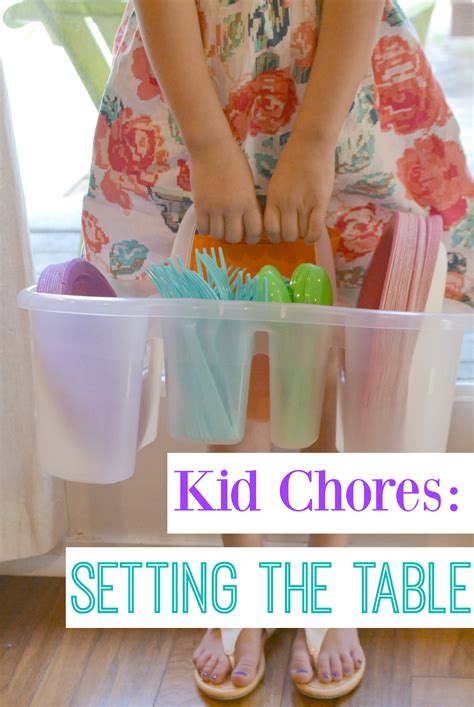
- School-Aged Children: Measuring ingredients, cracking eggs, simple chopping with child-safe knives, kneading dough, setting the table, wiping down counters.
- Pre-Teens & Teens: Following recipes independently, advanced chopping, operating kitchen appliances (under supervision), planning simple meals, baking.
Choose recipes that are relatively quick and have distinct, easy-to-manage steps. Weekend baking projects can be a great way to introduce more complex skills without time pressure. Everyday tasks could include making breakfast smoothies, helping assemble sandwiches, or chopping salad ingredients.

Making it a Daily Habit: Tips for Success
Consistency is key, but don’t aim for perfection. A few minutes here and there can add up to significant learning and bonding time.
- Be Patient & Flexible: Things will get messy, and tasks might take longer. Embrace the process, not just the outcome.
- Offer Choices: “Do you want to water the tomatoes or harvest the beans?” or “Should we make muffins or cookies today?” empowers them.
- Focus on the Fun: Turn it into a game. Sing songs, tell stories, or make silly faces while working.
- Eat Your Labor: The most rewarding part is enjoying the food you’ve grown and cooked together. Celebrate every successful bite!
- Lead by Example: Show your enthusiasm for gardening and cooking, and they’re more likely to follow suit.

Growing & Cooking Together: A Recipe for Connection
Integrating garden tasks and scratch cooking into daily life is more than just teaching skills; it’s about nurturing a family culture rooted in connection, health, and appreciation for the natural world. These simple, consistent efforts create lasting memories and equip children with invaluable life lessons that will serve them long after they’ve outgrown their watering can or child-safe knife. So, grab your trowels and aprons, and start cultivating joy together!