



Simple ways to involve kids in garden-to-table meals?
Cultivating Curiosity: Engaging Kids in Garden-to-Table Fun
Bringing children into the world of gardening and cooking isn’t just about growing vegetables; it’s about nurturing curiosity, fostering healthy eating habits, and creating lasting family memories. The “garden-to-table” concept offers a wonderful opportunity to teach kids where food comes from, the effort involved in producing it, and the joy of preparing and sharing a meal made with their own hands. It’s a journey that connects them to nature, develops practical life skills, and often encourages even the pickiest eaters to try new things.

From Seed to Sprout: Little Hands in the Garden
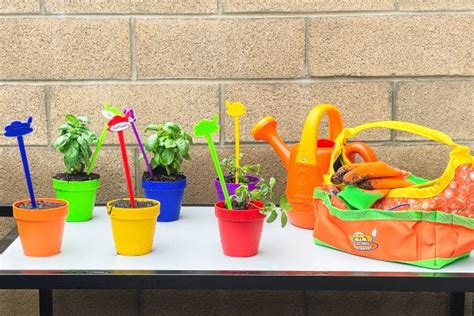
The first step is often the most exciting: planting! Involving kids from the very beginning makes them invested in the process. Start with easy-to-grow plants that yield quick results, like radishes, cherry tomatoes, snap peas, or herbs. Give them their own small patch of garden or even a dedicated pot where they can choose what to plant.
- Choose Kid-Friendly Crops: Opt for plants that are fun to grow and eat. Carrots they can pull from the ground, sweet peas they can shell, or bright cherry tomatoes are all big hits.
- Assign Simple Tasks: Let them help dig small holes, drop in seeds, or gently cover them with soil. Watering is often a favorite task, but supervise to prevent overwatering!
- Decorate Their Space: Allow them to personalize their garden spot with painted rocks or homemade plant markers, giving them a sense of ownership.

The Joy of Harvest: Gathering Nature’s Bounty
Once the plants begin to bear fruit (or vegetables!), the harvest becomes a thrilling treasure hunt. This stage is fantastic for teaching patience and observation as they watch their plants grow from tiny seedlings to edible produce.
- Exciting Discovery: Encourage them to spot ripe vegetables and gently pick them. This teaches them about ripeness and careful handling.
- Washing Station Fun: Set up a bowl of water outside or in the kitchen sink and let them wash their freshly picked produce. It’s a simple, sensory task that’s often enjoyed.
- Snack Time! Nothing beats eating a sun-warmed tomato or a crisp snap pea straight from the garden. This immediate gratification reinforces the connection between their efforts and delicious food.

Kitchen Creations: Cooking Up a Storm Together
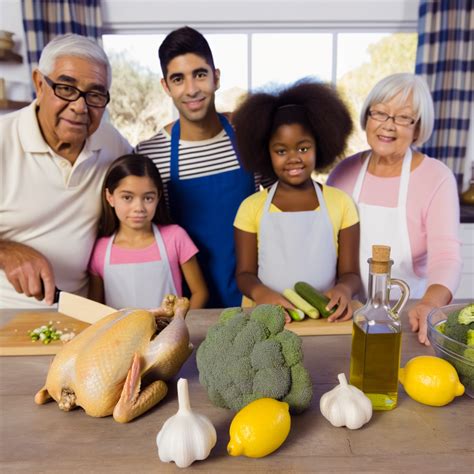
Now for the real magic! Bringing the garden bounty into the kitchen transforms it into a hands-on learning experience. Age-appropriate tasks are key to keeping them engaged and safe.
- Simple Prep: For younger children, tasks like tearing lettuce, stirring ingredients, or shelling peas are perfect. Older kids can help chop softer vegetables (with supervision), measure ingredients, or mix dough.
- Recipe Choice: Opt for simple recipes that highlight the fresh produce, like a garden salad, homemade pizza with garden toppings, or a fresh fruit crisp.
- Taste Testing: Encourage them to taste ingredients along the way. “Does this need more salt? How does the raw pepper taste?” This builds their palate and confidence.

Feasting Together: The Ultimate Reward
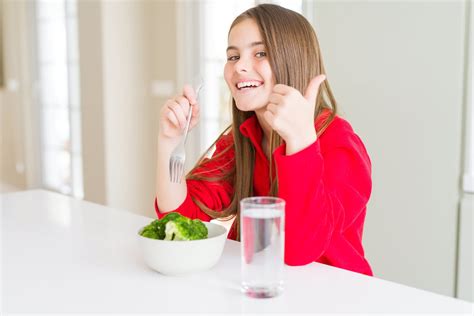
The grand finale! Sitting down to eat a meal that you’ve all grown and prepared together is incredibly rewarding. This is where the true appreciation for food and family connection blossoms.
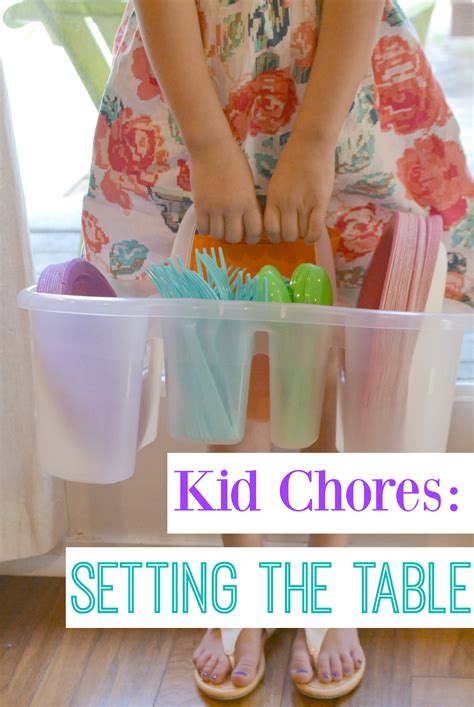
- Set the Table: Let them help set the table, creating a pleasant dining environment.
- Share the Story: Encourage them to talk about the ingredients they grew and the part they played in making the meal. “Remember when we planted these carrots?”
- Praise and Acknowledge: Acknowledge their contributions. “This salad is extra special because you picked the lettuce!” This boosts their self-esteem and makes them proud of their hard work.
Involving children in garden-to-table meals is more than just a summer activity; it’s an investment in their health, education, and family bonds. It teaches them patience, responsibility, and the profound satisfaction of enjoying the fruits (and vegetables!) of their labor. So grab your trowels and aprons, and get ready to grow some delicious memories together!