




Simple ways to pass down real food traditions & homemaking skills?

In an increasingly fast-paced world, the art of real food preparation and fundamental homemaking skills can seem daunting to teach and learn. Yet, these traditions are not just about chores; they are about heritage, health, self-sufficiency, and the deep connection fostered within families. Passing them down doesn’t require grand gestures, but rather consistent, simple integration into daily life.
Start with the Basics, Together
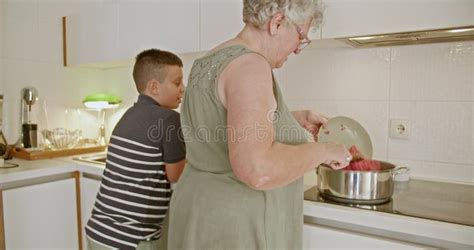
Don’t overwhelm yourself or your children by trying to teach everything at once. Begin with simple, tangible tasks. In the kitchen, this could mean baking bread from scratch, making a simple soup, or preparing a family-favorite dessert. Involve children from a young age – even toddlers can help wash vegetables or stir ingredients. As they grow, they can take on more complex tasks like chopping, measuring, and following recipes.

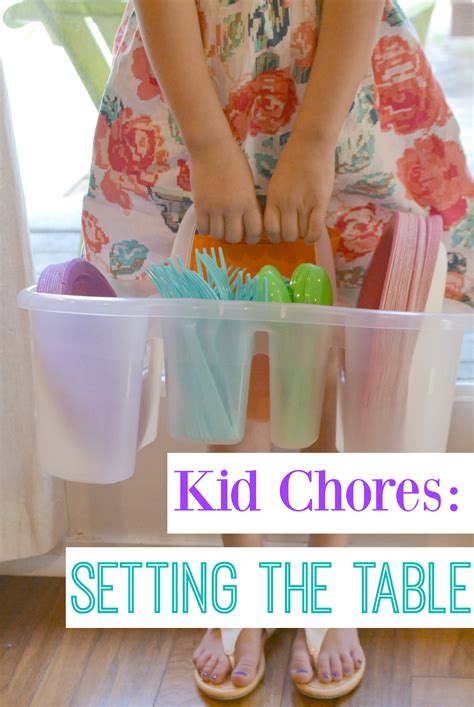
Outside the kitchen, basic homemaking skills can be introduced through daily routines. Teaching children how to make their bed, put away laundry, or tidy up their play area are foundational steps. Explain the ‘why’ behind these tasks – how a tidy home reduces stress and creates a more pleasant environment for everyone.
Make it a Family Affair and Create Memories
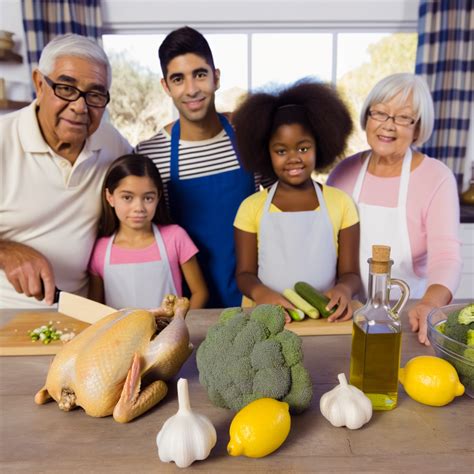
When tasks are shared, they become less of a burden and more of an opportunity for bonding. Dedicate specific times for family cooking, gardening, or home maintenance projects. For instance, a weekly ‘family dinner prep’ session or a Saturday morning ‘garden hour’ can transform chores into cherished traditions. These shared experiences create lasting memories and stories that connect generations.
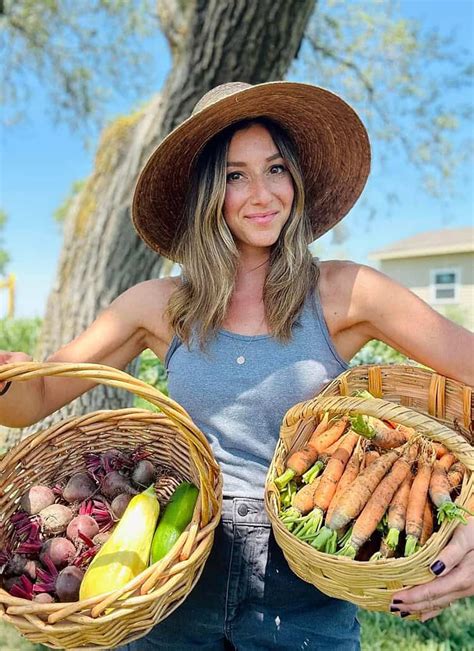
Consider involving your family in the entire food cycle, from seed to table. Planting a small herb garden or a few vegetable plants can teach children about where food comes from, the effort involved in growing it, and the satisfaction of eating something you’ve cultivated yourself. This hands-on experience fosters an appreciation for real food and sustainable practices.

Storytelling and Connecting to Heritage
Food traditions often carry deep cultural and familial significance. Share stories about where recipes come from – perhaps it’s a dish passed down from a great-grandmother, or a traditional meal from your family’s cultural background. Explain the history and meaning behind certain foods or homemaking practices. This not only makes the learning process more engaging but also instills a sense of identity and belonging in children.
While cooking, talk about the memories associated with specific dishes. Did your grandmother always make this for holidays? What special occasions involved this particular food? These narratives transform a simple meal into a living piece of family history, encouraging children to continue these traditions themselves.
Embrace Imperfection and Be Patient
Passing down skills is a journey, not a destination. There will be messes, mistakes, and moments of frustration. Embrace these as learning opportunities. The goal isn’t immediate perfection, but gradual understanding and competence. Praise effort over outcome, and encourage persistence.
Remember that children learn by watching and doing. Be a consistent role model in your own approach to real food and homemaking. Your enthusiasm and dedication will be contagious. By making these skills a natural, joyful part of your family life, you’ll be building a powerful legacy of self-sufficiency, connection, and wellbeing for generations to come.