Simple ways to preserve fresh garden herbs for winter use?

Savoring Summer’s Bounty: Why Preserve Your Herbs?
As summer fades and the chill of winter approaches, many gardeners face the bittersweet reality of their vibrant herb gardens going dormant. But the flavor doesn’t have to disappear! Preserving your fresh garden herbs is a simple and rewarding way to extend their culinary use, ensuring you have access to their aromatic essence and health benefits long after the last frost. From enhancing winter stews to crafting fragrant teas, a well-stocked winter herb pantry is a true kitchen treasure.
Whether you’re a seasoned gardener or just starting, these straightforward methods will help you capture the peak freshness of your herbs for months to come.

Method 1: Drying Herbs for Long-Term Storage
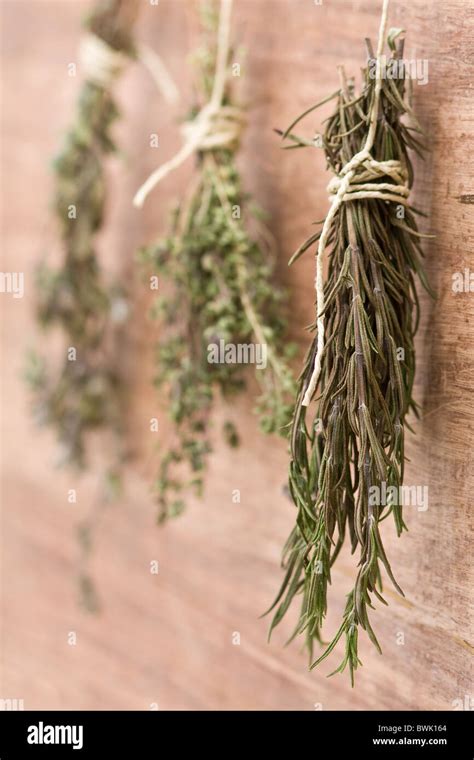
Drying is perhaps the oldest and most traditional method of herb preservation, ideal for herbs with lower moisture content and strong essential oils like oregano, thyme, rosemary, and sage. This process concentrates their flavors, making them even more potent in dried form.
Air Drying
For herbs with sturdy stems, air drying is incredibly easy. Bundle small bunches (4-6 stems) together with twine, ensuring good air circulation between them. Hang them upside down in a warm, dry, well-ventilated area away from direct sunlight. A pantry, attic, or even a corner of your kitchen can work. Drying can take anywhere from one to three weeks. Once completely dry and brittle, remove the leaves from the stems and store them whole or lightly crumbled in airtight containers in a cool, dark place.
Using a Dehydrator or Oven
If you live in a humid climate or want a faster method, a food dehydrator is excellent. Spread a single layer of clean, dry herbs on the dehydrator trays and follow your machine’s instructions, typically at a low temperature (95-115°F / 35-46°C) until brittle. Alternatively, a conventional oven set to its lowest temperature (often ‘warm’ or 150°F / 65°C) with the door slightly ajar can work, but watch carefully to prevent burning. Turn herbs occasionally until completely dry.
Method 2: Freezing Herbs for Freshness
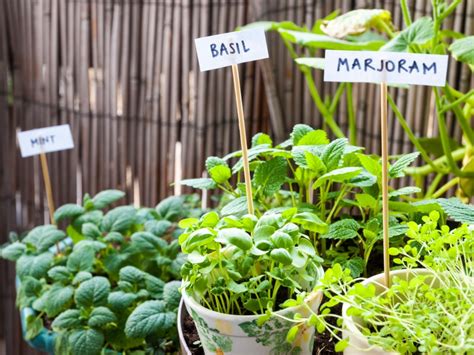
Freezing is perfect for delicate, high-moisture herbs like basil, parsley, cilantro, chives, and mint, as it helps retain their vibrant color and fresh flavor more effectively than drying. There are a couple of popular techniques:
Herb Cubes in Olive Oil or Water
Finely chop your herbs and pack them into ice cube trays. For savory herbs intended for cooking, pour olive oil over them to just cover the herbs. For others or for general use, you can simply use water. Freeze until solid, then pop out the herb cubes and transfer them to freezer-safe bags or containers. Label and date them. When cooking, simply drop a frozen cube directly into your dish. No thawing needed!
Blanched and Frozen
For herbs like basil, blanching quickly in boiling water for 15-30 seconds, then immediately shocking in ice water, can help preserve color and prevent freezer burn. Pat them thoroughly dry, chop, and then freeze flat on a baking sheet before transferring to freezer bags.

Method 3: Infusing Herbs into Oils, Vinegars, and Salts
Beyond simple preservation, infusing herbs adds incredible flavor to everyday ingredients, making them fantastic gifts or gourmet pantry staples.
Herb-Infused Oils
Loosely pack clean, dry herbs (rosemary, thyme, oregano, chili flakes) into a sterilized glass bottle. Fill with good quality olive oil. Store in a cool, dark place for 2-4 weeks, shaking occasionally. Strain out the herbs before using to prevent spoilage (especially critical for garlic or fresh herbs, which can harbor botulism spores if not handled correctly and stored in the fridge for short-term use only). For longer-term stability, dried herbs are safer for oil infusions.
Herb Vinegars
Similar to oils, gently bruise herbs like tarragon, basil, or chives and place them in a sterilized bottle. Cover with white wine vinegar or apple cider vinegar. Seal and let infuse for 2-4 weeks in a cool, dark place. Strain, then bottle the infused vinegar. Perfect for salad dressings and marinades.
Herb Salts and Sugars
Finely chop herbs like rosemary, thyme, or sage and mix thoroughly with coarse sea salt. Spread on a baking sheet and allow to dry completely (either air dry or in a very low oven). Store in an airtight container. Similarly, mint or lavender can be blended with sugar for aromatic baking or drinks.
Method 4: Making Herb Butters and Pestos
These methods offer flavorful, ready-to-use preparations that can be frozen for later convenience.
Herb Butters
Soften unsalted butter and mix in finely chopped fresh herbs (parsley, chives, dill, garlic). Roll into a log using parchment paper or plastic wrap and freeze. Slice off a piece whenever you need a burst of herby goodness for roasted vegetables, grilled meats, or warm bread.
Pestos
Pesto isn’t just for basil! Experiment with parsley, cilantro, or even a mix of leafy greens. Blend your chosen herbs with nuts (pine nuts, walnuts), garlic, Parmesan cheese, and olive oil. Store in airtight containers in the refrigerator for a week, or freeze in small portions (like ice cube trays) for up to six months.
Enjoying Your Winter Herb Harvest
With these simple preservation techniques, your kitchen will be filled with the comforting aromas of your garden’s bounty all winter long. Don’t forget to label and date all your preserved herbs to ensure you use them at their peak quality. Experiment with different methods for different herbs to find what works best for you, and enjoy the taste of summer even when snow is on the ground!