


Simple ways to preserve garden harvest for year-round ‘real food’ meals?
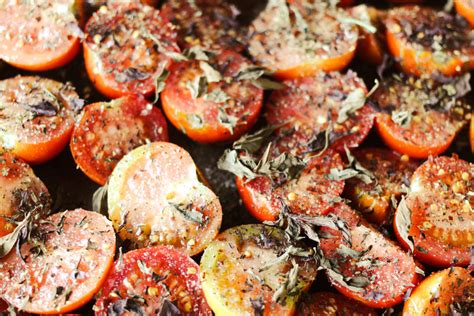
There’s immense satisfaction in harvesting fresh produce from your own garden. But what happens when you have an abundance that you can’t possibly eat in a week? The key to enjoying your garden’s goodness all year, and reducing food waste, lies in simple preservation techniques. Transforming your seasonal bounty into pantry staples or freezer gems ensures you’ll always have nourishing, ‘real food’ ingredients at your fingertips, even in the depths of winter.
Freezing: The Easiest Way to Preserve Freshness
Freezing is perhaps the simplest and least intimidating method for preserving a wide variety of fruits and vegetables. It locks in nutrients and flavor, making it ideal for everything from berries to blanched greens.

How to Freeze:
- Vegetables: Most vegetables benefit from blanching (briefly boiling then plunging into ice water) before freezing. This stops enzyme action, preserving color, texture, and nutrients. Examples include green beans, broccoli, peas, and corn.
- Fruits: Berries, sliced peaches, and cherries can often be frozen raw on a baking sheet before transferring to freezer bags to prevent clumping.
- Herbs: Chop herbs and freeze them in ice cube trays with a little olive oil or water for easy future use in cooking.
- Soups & Sauces: Make large batches of tomato sauce, pesto, or vegetable stock and freeze in portion sizes.
Canning: Shelf-Stable Goodness
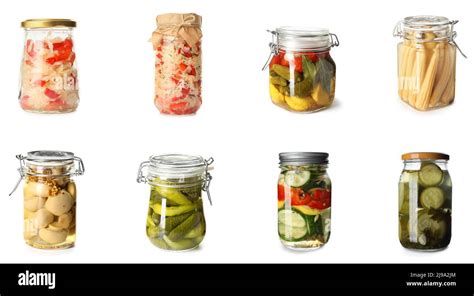
Canning allows you to store food at room temperature for extended periods, making it a fantastic option for creating a well-stocked pantry. There are two main methods: water bath canning for high-acid foods and pressure canning for low-acid foods.
Water Bath Canning (for High-Acid Foods):
Ideal for fruits, jams, jellies, pickles, and tomato products (often with added lemon juice or vinegar to increase acidity). Sterilized jars are filled, sealed, and then submerged in boiling water for a specified time to create a vacuum seal.
Pressure Canning (for Low-Acid Foods):
Essential for vegetables (like green beans, carrots, corn), meats, and mixed recipes like chili or soups. A pressure canner heats food to a much higher temperature than boiling water, eliminating the risk of botulism.
Dehydrating: Concentrated Flavors and Lightweight Storage
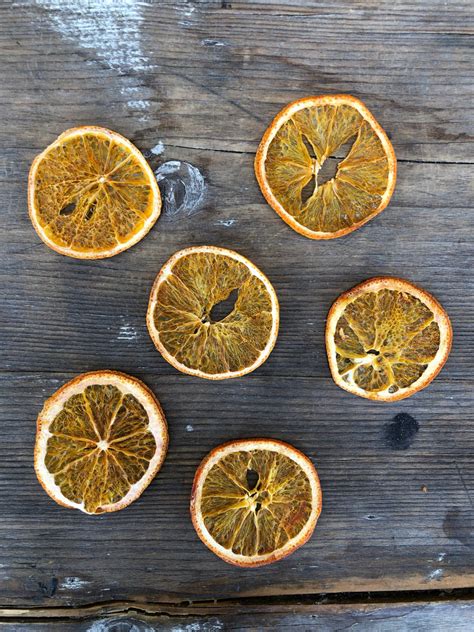
Dehydration removes moisture from food, inhibiting spoilage and creating lightweight, compact ingredients perfect for snacks, baking, or rehydrating in meals. A food dehydrator is helpful, but you can also use an oven on its lowest setting or even sun-dry in dry, warm climates.
What to Dehydrate:
- Fruits: Apple rings, banana chips, fruit leathers, dried berries.
- Vegetables: Tomato powder, sun-dried tomatoes, kale chips, dried herbs, onion flakes.
- Jerky: For meat, if you’re preserving beyond just garden produce.
Fermenting: Probiotic-Rich Preservation
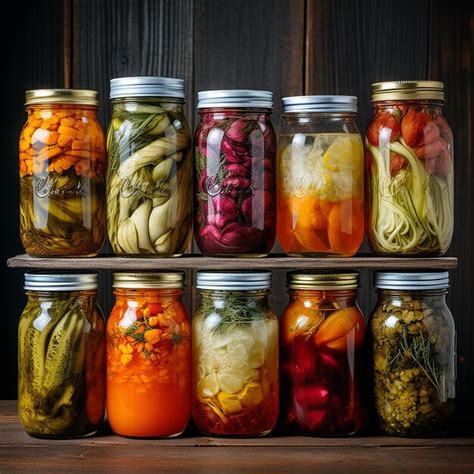
Fermentation is an ancient preservation method that not only extends the life of food but also enhances its nutritional value and creates delicious, tangy flavors. It involves using beneficial bacteria to transform ingredients.
Popular Ferments:
- Sauerkraut: Shredded cabbage and salt.
- Kimchi: Spicy fermented cabbage and other vegetables.
- Pickles: Cucumbers fermented in a brine, not just vinegar-pickled.
- Kombucha: Fermented tea.
Cool Storage & Root Cellaring: Simple, Passive Preservation
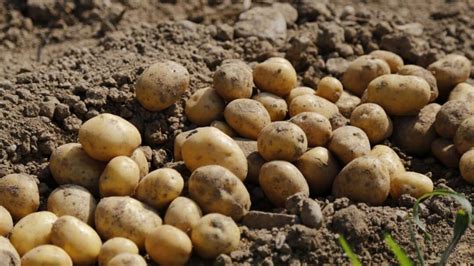
For certain hardy crops, a cool, dark, and moderately humid environment can be enough to preserve them for months without any active processing.
Ideal for:
- Root Vegetables: Potatoes, carrots, beets, turnips, parsnips. Store in sand or sawdust to maintain humidity.
- Squash & Pumpkins: Cured first in a warm, sunny spot, then stored in a cool, dry place.
- Onions & Garlic: Braid and hang in a cool, dry, airy location.
Embracing these simple preservation methods empowers you to enjoy the fruits (and vegetables!) of your labor long after the growing season ends. By dedicating a little time now, you can stock your pantry and freezer with healthy, homemade ‘real food’ ingredients, making wholesome meals accessible and delicious throughout the year.