



Simple ways to preserve garden herbs for year-round culinary use?

Harvesting fresh herbs from your garden is one of life’s simple pleasures, but what happens when the season ends? Don’t let your bountiful harvest go to waste! Preserving your garden herbs is an incredibly satisfying and economical way to ensure you have aromatic flavors available for your culinary adventures throughout the year. With a few simple techniques, you can capture the essence of summer and enjoy it even in the depths of winter.
Drying Herbs
Drying is perhaps the oldest and most straightforward method for preserving herbs, especially those with lower moisture content and sturdy leaves like oregano, thyme, rosemary, sage, and bay leaves.
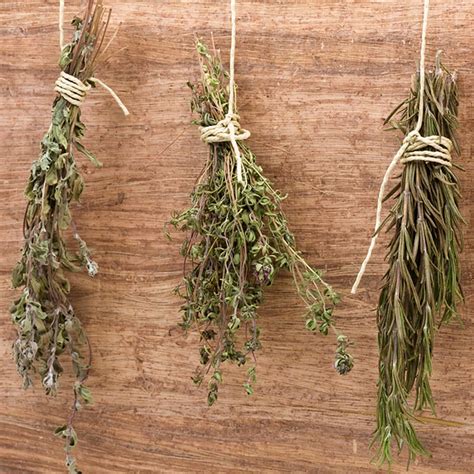
- Air Drying: Group small bunches of herbs, tie them with twine, and hang them upside down in a warm, dry, well-ventilated area away from direct sunlight. This process can take one to three weeks.
- Oven Drying: For a quicker method, spread herbs in a single layer on a baking sheet lined with parchment paper. Dry at the lowest oven temperature (usually 180-200°F or 80-95°C) with the door slightly ajar to allow moisture to escape. Check frequently, turning occasionally, until brittle (1-4 hours).
- Dehydrator: A food dehydrator offers precise temperature control, making it an excellent option for consistent drying results. Follow your dehydrator’s instructions for optimal settings.
Freezing Herbs
Freezing is ideal for delicate herbs like parsley, cilantro, basil, mint, chives, and dill, as it helps retain their vibrant color and fresh flavor better than drying.
- Ice Cube Trays: Chop your herbs finely, place them into ice cube trays, and cover with a small amount of water or olive oil. Freeze until solid, then transfer the herb cubes to freezer bags. These are perfect for adding directly to soups, stews, or sauces.
- Whole or Chopped: For herbs like basil or cilantro, you can blanch them briefly, then pat dry and freeze whole leaves or chopped portions in freezer bags. Press out as much air as possible to prevent freezer burn.

Herb-Infused Oils and Vinegars
Infusing oils and vinegars not only preserves the flavor of your herbs but also creates wonderful pantry staples or homemade gifts.
- Herb Oils: Gently bruise clean, dry herbs (like rosemary, thyme, or oregano) and place them in a sterilized jar. Cover completely with a good quality olive oil. Let it infuse in a cool, dark place for 1-2 weeks, shaking daily. Strain out the herbs before storing in a sealed bottle. Note: For safety, always store infused oils in the refrigerator and use within a few weeks, or consider hot infusion methods and pH control to prevent botulism.
- Herb Vinegars: Similarly, combine herbs (like tarragon, basil, or chives) with white wine vinegar or apple cider vinegar. Allow to infuse for 2-4 weeks before straining.

Compound Butters and Pestos
These methods offer delicious ways to capture fresh herb flavors for immediate or frozen use.
- Compound Butters: Soften unsalted butter and mix in finely chopped herbs (parsley, chives, dill), garlic, and a pinch of salt. Roll into logs using parchment paper or plastic wrap, then chill or freeze. Perfect for spreading on bread, finishing grilled meats, or melting over vegetables.
- Pestos: While basil pesto is classic, you can make pesto from almost any leafy herb (parsley, cilantro, mint). Blend herbs with nuts (pine nuts, walnuts), garlic, Parmesan cheese, and olive oil. Store in the refrigerator with a thin layer of oil on top, or freeze in small containers or ice cube trays.
Storing Your Preserved Herbs
Proper storage is crucial for maintaining the quality and shelf life of your preserved herbs.
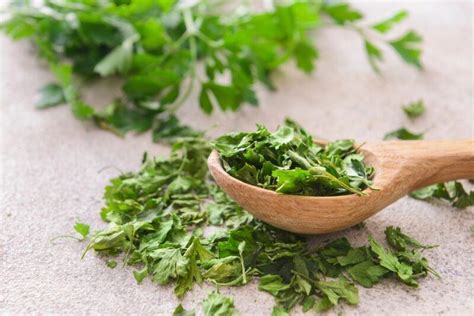
- Dried Herbs: Store dried herbs in airtight containers (glass jars are excellent) in a cool, dark pantry away from heat and light. They typically retain their potency for 6-12 months.
- Frozen Herbs: Keep frozen herb cubes or portions in airtight freezer bags or containers. Label with the herb name and date. They can last up to a year.
- Infused Products: Store herb oils in the refrigerator and use within a few weeks. Herb vinegars can be stored in a cool, dark pantry for several months.

Preserving garden herbs is a rewarding process that extends your harvest and enhances your cooking year-round. Whether you choose to dry, freeze, infuse, or transform them into delicious pestos and butters, these simple methods ensure that the fresh, vibrant flavors of your garden are always within reach. Experiment with different techniques and discover your favorite ways to savor your herbal bounty!