Simplest method for canning excess garden tomatoes safely?
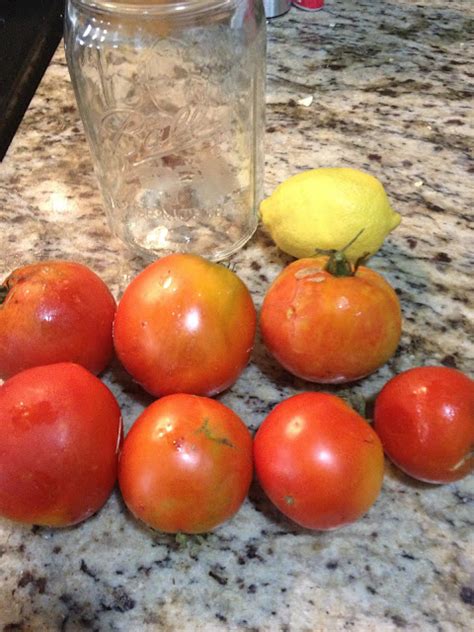
Why Water Bath Canning is Your Simplest Solution for Tomatoes
As your garden overflows with ripe, juicy tomatoes, the thought of preserving them can seem daunting. However, canning doesn’t have to be complicated! For most tomato products, especially crushed or diced tomatoes, the water bath canning method is the simplest and safest approach, provided you follow a few critical steps to ensure proper acidity.
Tomatoes are borderline acidic, meaning they don’t always contain enough natural acid to be safely processed in a water bath canner without added acidification. By adding a small amount of lemon juice or citric acid, we boost their acidity, making them safe for water bath canning and protecting against spoilage and harmful bacteria.
Essential Equipment Checklist
Before you begin, gather your tools. Having everything ready makes the process smooth and efficient:
- Large stockpot with a rack (water bath canner)
- Canning jars (pint or quart), lids, and bands
- Jar lifter
- Canning funnel
- Ladle
- Debubbler/headspace tool
- Large pot for simmering tomatoes
- Pot holders or oven mitts
- Clean towels
- Lemon juice (bottled, not fresh, for consistent acidity) or citric acid
- Salt (optional)

Step-by-Step: Crushed or Diced Tomatoes with Added Acid
1. Preparing Your Tomatoes
Start by washing your tomatoes thoroughly. Core and remove any blemishes. While optional, peeling and deseeding can improve texture; to peel, briefly blanch tomatoes in boiling water, then plunge into an ice bath, and the skins will slip right off. Chop or crush your tomatoes into desired pieces. Simmer them gently in a large pot for about 10-15 minutes to reduce some liquid and heat them through (hot pack method).
Crucial Safety Step: Add bottled lemon juice or citric acid directly to each jar before filling with tomatoes. For quart jars, use 2 tablespoons of bottled lemon juice or ½ teaspoon of citric acid. For pint jars, use 1 tablespoon of bottled lemon juice or ¼ teaspoon of citric acid. Do not reduce these amounts.

2. Preparing Jars and Lids
Wash your jars, lids, and bands in hot, soapy water. Jars should be kept hot to prevent thermal shock when filled with hot tomatoes. Lids typically only need to be washed and can be set aside until needed (check manufacturer instructions; some still recommend simmering in warm water, but many modern lids do not require this). Bands do not need to be heated.
3. Filling Jars and Removing Air
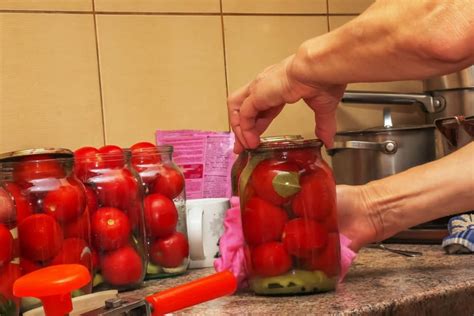
Using a canning funnel and ladle, fill the hot jars with your hot tomato mixture, leaving a ½-inch headspace (the space between the top of the food and the rim of the jar). If desired, add ½ teaspoon of salt per quart or ¼ teaspoon per pint (optional, for flavor). Use a debubbler tool or a plastic knife to remove air bubbles by running it around the inside of the jar. Adjust headspace if necessary by adding more tomatoes. Wipe the rims of the jars clean with a damp cloth; any food residue can prevent a proper seal. Place a clean, warm lid on each jar, followed by a band, tightened fingertip-tight (just until resistance is met, no need to overtighten).
4. Processing in the Water Bath
Place your filled, sealed jars onto the rack in your water bath canner. Ensure the jars are not touching each other. Carefully lower the rack into the canner. Add hot water to the canner until the water level covers the tops of the jars by at least 1-2 inches. Bring the water to a rolling boil. Once boiling, start your processing time. For pints, process for 35 minutes; for quarts, process for 45 minutes. Adjust processing time for altitude if necessary.

5. Cooling and Sealing Check
After the processing time is complete, turn off the heat and remove the canner lid. Let the jars rest in the hot water for 5 minutes before carefully lifting them out with a jar lifter. Place the hot jars on a clean towel on your countertop, ensuring they are not in a drafty area. Do not tighten the bands further or tilt the jars. Allow them to cool undisturbed for 12-24 hours. You’ll hear satisfying “ping” sounds as the lids seal.
Once completely cool, check the seals. Press the center of each lid; if it doesn’t flex, the jar is sealed. Remove the bands, wipe the jars clean, label them with the contents and date, and store them in a cool, dark place. Unsealed jars must be refrigerated and consumed within a week.

Safety First: Understanding Acidity
The addition of bottled lemon juice or citric acid is non-negotiable for safe water bath canning of tomatoes. This step is crucial for preventing the growth of Clostridium botulinum, the bacteria responsible for botulism, which thrives in low-acid, oxygen-free environments. Always use bottled lemon juice, as its acidity level is consistent, unlike fresh lemons which can vary significantly. By following these simple steps, you can safely enjoy your garden’s bounty year-round.
Preserving your excess garden tomatoes through this simple water bath method provides delicious, homemade goodness and a deep sense of accomplishment. Happy canning!