



Simplest ways to involve kids in homemade real food prep?
Why Involve Kids in Food Prep?
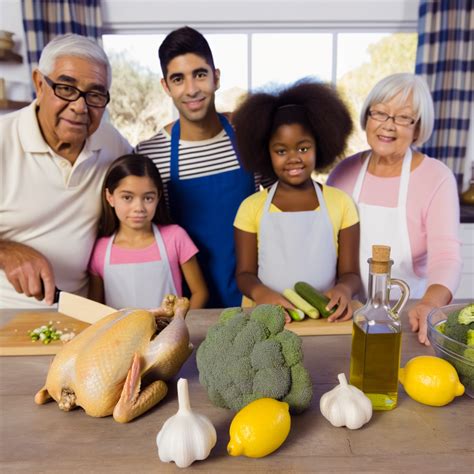
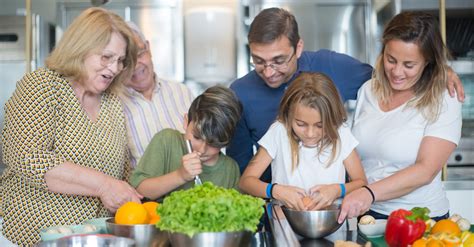
Getting children involved in preparing homemade, real food is more than just an activity; it’s an investment in their health, development, and a strong family bond. It teaches them valuable life skills, demystifies where food comes from, and encourages them to try new foods they might otherwise resist. When kids have a hand in making their meals, they’re often more excited to eat them.
Starting early and keeping it simple are key to success. You don’t need to be a gourmet chef, nor do you need to spend hours. Even a few minutes of shared kitchen time can make a big difference.

Age-Appropriate Tasks for Little Chefs
The beauty of involving kids in the kitchen is that there are tasks suitable for almost every age. Tailoring responsibilities to their developmental stage ensures safety and makes the experience enjoyable rather than frustrating.
Toddlers (1-3 years old):
- Washing fruits and vegetables in a colander.
- Stirring ingredients in a bowl (with supervision).
- Handing you items from the pantry.
- Wiping down counters (with a damp cloth).
Preschoolers (3-5 years old):
- Tearing lettuce or other greens for salads.
- Mashing soft ingredients like avocados or bananas.
- Kneading dough (bread, pizza, cookies).
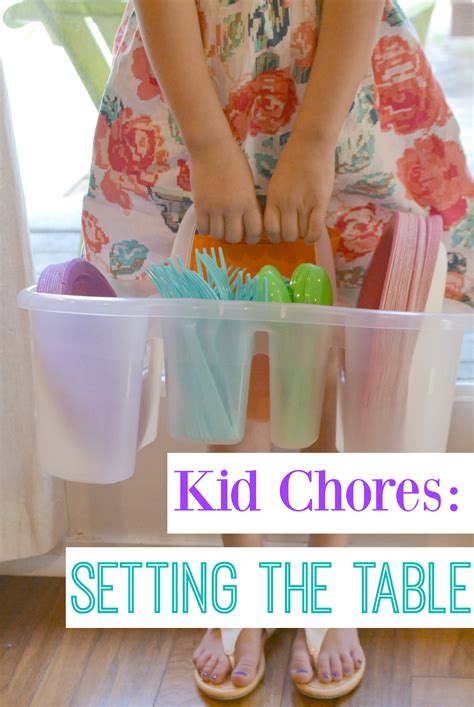
- Setting the table.
- Using cookie cutters.

Elementary Schoolers (6-10 years old):
- Measuring ingredients accurately.
- Cracking eggs (with supervision for shells).
- Chopping soft vegetables with a kid-safe knife.
- Peeling vegetables with a peeler.
- Mixing batters with an electric mixer (with supervision).
Pre-Teens (11-13 years old):
- Following simple recipes independently.
- Using graters or more complex kitchen tools.
- Operating the stove or microwave (with adult guidance).
- Planning simple meals.
Making it Fun and Safe
To keep kids engaged, turn food prep into a positive experience. Play music, tell stories, or make it a game. Emphasize that mistakes are part of learning. Safety is paramount; teach proper hygiene like handwashing and basic knife safety from the start. Always supervise when heat or sharp objects are involved.
Simple Strategies to Get Started
You don’t need elaborate recipes to start. Focus on everyday meals and snacks. Here are a few ideas:
- Smoothies: Kids can add fruit, yogurt, and liquid to a blender (adult operates).
- Salads: They can tear greens, wash veggies, and toss ingredients.
- Oatmeal: Let them measure oats and add toppings like fruit and nuts.
- Sandwiches/Wraps: They can spread condiments and layer ingredients.
- Baked Goods: Cookies, muffins, or quick breads offer many stirring, measuring, and decorating opportunities.
Start with one simple task and gradually increase their involvement. Patience is key; expect some mess, and focus on the joy of the shared experience rather than perfection.

The Lasting Impact
Involving kids in homemade real food prep creates memories, builds confidence, and equips them with essential life skills. It nurtures a positive relationship with food, paving the way for healthier eating habits into adulthood. So, pull up a chair, roll up those sleeves, and let the culinary adventures begin!