



Simplest ways to use garden bounty in practical ‘real food’ recipes?

Making the Most of Your Garden’s Generosity
There’s immense satisfaction in harvesting fresh produce from your own garden. However, when the cucumbers are prolific, the tomatoes ripen en masse, and the zucchini seems to multiply overnight, it can sometimes feel overwhelming. The good news is that turning this bounty into delicious, practical ‘real food’ meals doesn’t require gourmet chef skills or hours in the kitchen. Here are some of the simplest ways to enjoy your garden’s gifts.
The Power of Raw and Lightly Prepared Dishes
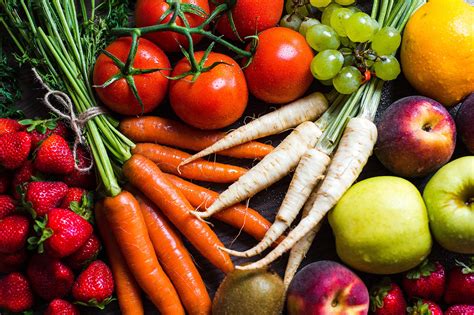
When vegetables are at their peak freshness, often the least you do to them, the better they taste. Embrace the natural flavors with these easy options:
1. Vibrant Salads and Slaws
A classic for a reason! Combine any leafy greens (lettuce, spinach, kale), chopped cucumbers, tomatoes, bell peppers, carrots, and herbs. A simple vinaigrette made with olive oil, vinegar (balsamic, apple cider, or red wine), salt, and pepper is all you need. For a heartier meal, add some grilled chicken, chickpeas, or hard-boiled eggs. Slaws are equally easy, using shredded cabbage, carrots, or kohlrabi with a creamy or tangy dressing.
2. Fresh Salsas and Pestos
Tomatoes, onions, cilantro, and jalapeños are the foundation of a fantastic homemade salsa. Chop everything finely, mix, and season to taste. It’s perfect with tortilla chips, grilled meats, or as a topping for eggs. For leafy greens and herbs like basil, parsley, or even kale, a quick pesto made with nuts (pine nuts, walnuts), garlic, Parmesan cheese, and olive oil is incredibly versatile. Toss it with pasta, spread on toast, or use as a sandwich spread.
Quick-Cook Wonders for Any Meal
When you need something a bit more substantial but still fast, turn to methods that highlight the vegetables without extensive cooking.
3. Simple Sauté and Stir-Fries
Almost any garden vegetable tastes fantastic when quickly sautéed. Think zucchini, summer squash, green beans, broccoli, snap peas, and bell peppers. Heat a little olive oil or butter in a pan, add your chopped veggies, and cook until tender-crisp. Season with garlic, salt, and pepper, or a splash of soy sauce and ginger for an Asian-inspired stir-fry. Add protein like chicken, tofu, or shrimp for a complete meal.
4. Effortless Roasting
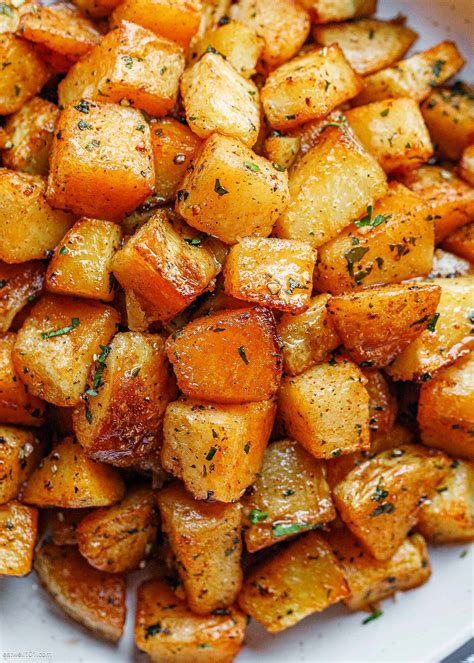
Roasting brings out the natural sweetness in vegetables and requires minimal effort. Chop sturdy vegetables like potatoes, carrots, broccoli, cauliflower, Brussels sprouts, or even cherry tomatoes. Toss them with olive oil, salt, pepper, and your favorite herbs (rosemary, thyme, oregano). Spread on a baking sheet and roast at 400°F (200°C) until tender and slightly caramelized. It’s a hands-off way to create a flavorful side dish or a base for salads.
Hearty and Wholesome Uses
When you have a truly abundant harvest, or just want to make a cozy meal, these methods are perfect.
5. Versatile Soups and Stews
Soups and stews are a fantastic way to use up a variety of garden vegetables, especially those that are slightly past their prime for raw consumption. Tomatoes, carrots, celery, onions, potatoes, green beans, and corn can all find a home in a comforting soup. Start with an aromatic base, add your chopped vegetables, broth, and seasonings. Simmer until tender. You can blend for a creamy texture or leave chunky. These also freeze wonderfully for future meals.
6. Frittatas and Quiches
Eggs are a perfect canvas for showcasing garden vegetables. Sauté any combination of greens, onions, peppers, mushrooms, or zucchini, then add them to a whisked egg mixture. Pour into a pie crust for a quiche or cook directly in an oven-safe skillet for a crustless frittata. These are excellent for breakfast, brunch, or a light dinner, and are easily adaptable to whatever your garden provides.
Simple Preservation for Later Enjoyment
Don’t let any bounty go to waste! Simple preservation methods mean you can enjoy your garden’s goodness long after the season ends.
7. Easy Freezing
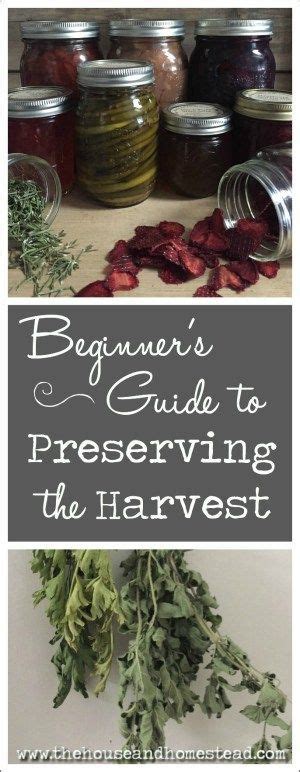
Most vegetables can be blanched (briefly boiled, then plunged into ice water) and frozen for several months. Corn kernels, green beans, peas, bell peppers, and even chopped zucchini freeze beautifully. This simple step ensures you have nutrient-rich produce ready for soups, stews, or stir-fries during the colder months.
8. Quick Pickling or Fermenting
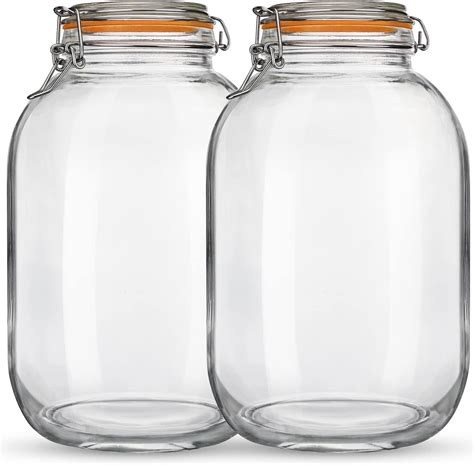
For cucumbers, green beans, carrots, or bell peppers, quick pickling is a fantastic way to preserve and add tangy flavor. A basic brine of vinegar, water, salt, and sugar can transform fresh veggies into delicious pickles in just a few days. Fermentation, like making sauerkraut from cabbage, is another simple method that adds probiotics and extends shelf life.
Embrace the Flavor of Fresh
The key to using your garden bounty in ‘real food’ recipes is to celebrate the natural flavors and embrace simplicity. Don’t overthink it. Fresh, high-quality ingredients often require very little fuss to be utterly delicious. So go ahead, harvest your garden, and enjoy the pure taste of home-grown goodness!