
Smart ways to keep local produce fresh on a long country drive home?

Protecting Your Farm-Fresh Bounty on the Go
There’s nothing quite like the taste of produce picked straight from a local farm or farmer’s market – the vibrant colors, the earthy smells, and the unparalleled freshness. However, the journey from field to your home kitchen can often be a long one, especially after a relaxing country drive. The challenge? Keeping that delicate bounty as fresh as when you bought it. With a little foresight and a few smart strategies, you can ensure your delicious harvest arrives home in pristine condition, ready to be enjoyed.
The key to successful produce transport lies in understanding the main culprits behind spoilage: heat, physical damage, and improper moisture levels. By addressing these factors proactively, you can significantly extend the life and quality of your fresh fruits and vegetables during transit.
Pre-Drive Preparation: A Little Effort Goes a Long Way
Before you even load your car, a few simple steps can make a big difference. First, avoid washing produce until you’re ready to use it, as excess moisture can accelerate spoilage, especially for berries and leafy greens. If something is visibly dirty, gently brush off soil rather than rinsing.
Next, consider sorting your produce. Separate items that emit ethylene gas (like apples, bananas, and tomatoes), which can ripen and spoil other produce faster, particularly leafy greens and delicate fruits. Store these ethylene producers in separate bags or containers if possible.
Strategic Packing for Peak Freshness
The Power of Coolers and Insulation
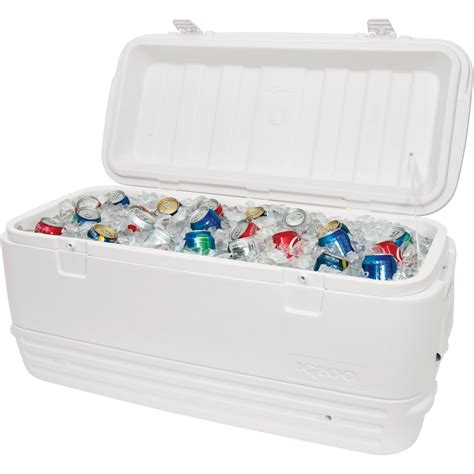
For most produce, especially during warmer months, temperature control is paramount. A good quality cooler with ice packs or frozen water bottles is your best friend. Place delicate items like berries, leafy greens, and cut vegetables directly into the cooler. For hardier items like potatoes, onions, or squash, a cooler might not be strictly necessary, but keeping them out of direct sunlight in a cool part of the car is still advisable.
Breathability vs. Protection
Different produce requires different packing. Leafy greens and herbs benefit from being wrapped in a slightly damp paper towel and then placed in an open plastic bag or a breathable container to maintain humidity without trapping excessive moisture. Berries should be stored in their original containers or shallow, rigid containers to prevent crushing, and placed in the cooler.
Root vegetables (carrots, radishes) can be kept in open bags or bins. Tender fruits like peaches or plums need to be carefully cushioned – individual paper bags, soft cloths, or even egg cartons can prevent bruising. Avoid stacking heavy items on top of delicate ones.
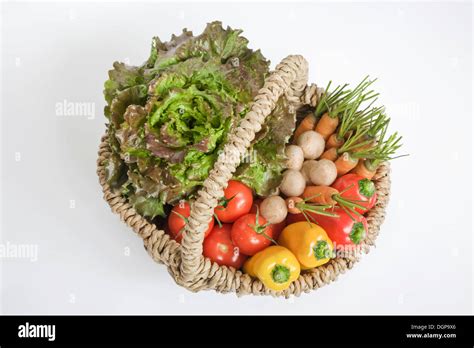
During the Drive: Maintaining Optimal Conditions
Even with excellent packing, the environment inside your car matters. Keep your produce out of direct sunlight – the back seat or trunk can heat up considerably. If possible, run your car’s air conditioning, especially on hot days, to help maintain a cooler ambient temperature for your entire vehicle, not just the front cabin.
Avoid placing produce near engine vents or in areas where heat can accumulate. If you have a long journey, a quick check-in at a rest stop to rearrange or add more ice packs to your cooler can be beneficial. Consider packing a small, clean towel to drape over baskets or open bags if you need to briefly leave items exposed while parked.

Upon Arrival: Immediate Care for Lasting Freshness
Once you’ve arrived home, the work isn’t over. Unload your produce promptly. Immediately transfer items that belong in the refrigerator (most delicate fruits and vegetables, leafy greens, berries) to their proper storage spots. Wash items only as you’re ready to use them.
For items that prefer cool, dark places (potatoes, onions, garlic, squash), move them to a pantry or cellar. By giving your farm-fresh treasures immediate attention upon arrival, you complete the final step in ensuring their maximum flavor and longevity.

Enjoying Your Hard-Earned Harvest
Bringing home delicious local produce is a rewarding experience, and with these smart strategies, you can ensure that the freshness you picked up at the farm gate translates directly to your dinner plate. A little planning and thoughtful handling go a long way in preserving the quality and taste of your farm-fresh bounty, making every bite worth the journey.