Stop blossom end rot on heirloom tomatoes organically?

Heirloom tomatoes, prized for their unique flavors and vibrant colors, can sometimes present a challenge for even seasoned gardeners: blossom end rot (BER). This disheartening condition causes the bottom of the fruit to become dark, leathery, and sunken. While it’s often misunderstood as a simple calcium deficiency, preventing BER, especially organically, requires a holistic approach focused on environmental stability and plant health.
Understanding Blossom End Rot in Heirloom Tomatoes
Blossom end rot isn’t a disease caused by a pathogen but rather a physiological disorder. It occurs when a tomato plant cannot transport enough calcium to the rapidly developing fruit. Heirloom varieties are often more susceptible due to their vigorous growth and sometimes less efficient calcium uptake mechanisms compared to hybrid counterparts.
The Root Cause: More Than Just a Calcium Shortage
While calcium is indeed the missing nutrient in affected fruit, the primary problem is rarely a lack of calcium in the soil itself. Instead, it’s typically an issue of calcium availability or uptake. The most common culprits include:
- Inconsistent Watering: Fluctuations between overly dry and overly wet soil limit the plant’s ability to absorb and move water (and dissolved calcium) to the fruit.
- Rapid Growth: Periods of fast growth, often fueled by excessive nitrogen, can outpace the plant’s ability to supply calcium.
- Soil pH Imbalance: Extreme soil pH (too high or too low) can make existing calcium unavailable to the roots.
- Root Damage: Cultivating too close to the plant can damage roots, impeding water and nutrient uptake.
- Temperature Extremes: Very hot or very cold spells can stress plants and hinder calcium transport.
Organic Strategies for Prevention
Tackling BER organically means working with nature to create an optimal growing environment for your heirloom tomatoes.
1. Optimize Your Soil Before Planting
A soil test is your best friend. It will reveal your soil’s current nutrient levels and pH. For tomatoes, a pH between 6.0 and 6.8 is ideal. If your soil test indicates low calcium or an incorrect pH:
- Organic Calcium Sources: Incorporate crushed eggshells, bone meal, gypsum, or oyster shell flour into the soil during bed preparation. These amendments release calcium slowly over time.
- Compost: Generously amend your soil with well-aged compost. Compost improves soil structure, aeration, and water retention, all of which enhance nutrient availability and root health.
2. Prioritize Consistent Moisture
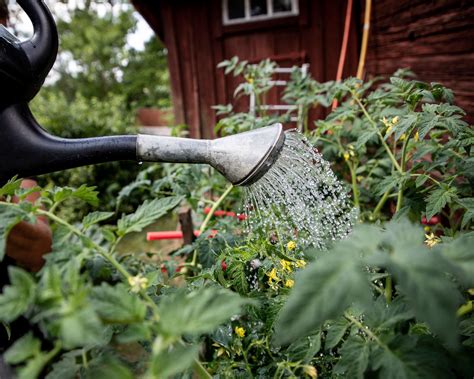
This is arguably the most crucial step. Heirloom tomatoes need deep, consistent watering, especially during flowering and fruit set. Aim for 1-2 inches of water per week, either from rain or irrigation. Use a soaker hose or drip irrigation to deliver water directly to the root zone, minimizing evaporation and foliar diseases.
- Water deeply: Encourage roots to grow deeper, making them more resilient to dry spells.
- Water regularly: Avoid allowing the soil to dry out completely between waterings, followed by sudden heavy irrigation.
3. Mulch, Mulch, Mulch!
A good layer of organic mulch (2-4 inches) around your tomato plants is invaluable. Mulch helps:
- Retain Soil Moisture: Reduces evaporation, keeping soil consistently moist.
- Regulate Soil Temperature: Protects roots from extreme heat and cold.
- Suppress Weeds: Eliminates competition for water and nutrients.
Straw, shredded leaves, or wood chips are excellent organic mulch choices.
4. Feed Your Plants Wisely (Organically)
Avoid over-fertilizing with high-nitrogen fertilizers, especially early in the season, as this promotes lush foliage at the expense of fruit and can interfere with calcium uptake. Opt for balanced organic fertilizers or those specifically formulated for tomatoes, which often have a slightly higher phosphorus and potassium content.
- Seaweed & Kelp Meal: These provide a broad spectrum of trace minerals and can enhance nutrient uptake.
- Fish Emulsion: A good all-purpose organic feed, use sparingly and dilute appropriately.

5. Reduce Plant Stress
Healthy, unstressed plants are better able to cope with environmental challenges:
- Proper Spacing: Give plants enough room for air circulation and root development.
- Support: Stake or cage heirlooms early to prevent them from sprawling, which can stress the main stem and roots.
- Protect Roots: Be careful when weeding or cultivating around plants to avoid disturbing their delicate root systems.

Conclusion: Nurturing Your Heirlooms for Success
Stopping blossom end rot on heirloom tomatoes organically isn’t about a single magic bullet; it’s about creating a stable, nurturing environment for your plants. By focusing on healthy soil, consistent moisture, appropriate nutrition, and minimizing stress, you empower your tomato plants to thrive and produce blemish-free, delicious fruit. Patience and observation are key – pay attention to your plants and their environment, and you’ll soon be enjoying a bountiful harvest of beautiful heirloom tomatoes.