
Store garden produce naturally for winter without refrigeration?
Embracing Traditional Winter Storage Methods
As the vibrant colors of autumn begin to fade, the joy of a successful garden harvest often turns to the practical challenge of preservation. While modern refrigeration offers convenience, the desire for self-sufficiency and a deeper connection to our food sources often leads us to explore natural, age-old methods of storing produce through the long winter. Imagine reaching for your own potatoes, carrots, or apples, perfectly preserved without a watt of electricity. This article delves into the tried-and-true techniques that make natural, refrigeration-free winter storage not just possible, but deeply satisfying.

The Magic of the Root Cellar (or its Alternatives)
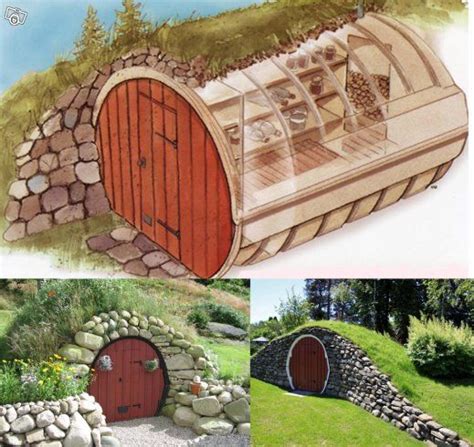
The root cellar is the quintessential natural storage solution, providing a consistently cool (just above freezing), dark, and humid environment ideal for many vegetables. If a traditional underground root cellar isn’t an option, a cool, unheated basement corner, an insulated outdoor pit, or even a sturdy unheated shed can often be adapted to mimic these conditions. The key is stable temperature and humidity.
Ideal Candidates for Root Cellar Storage:
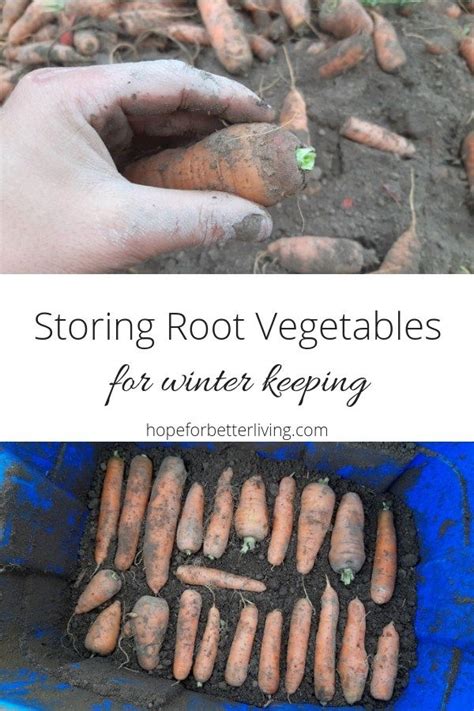
- Root Vegetables: Carrots, beets, parsnips, rutabagas, turnips store exceptionally well. Trim tops, clean (don’t wash), and layer in damp sand, sawdust, or peat moss in bins or crates to prevent moisture loss.
- Potatoes: Cure for 1-2 weeks in a warm, humid place after harvest, then store in a dark, cool (40-50°F / 4-10°C) and humid environment. Avoid light to prevent greening.
- Apples & Pears: Store individually wrapped in newspaper or nested in crates, ensuring good air circulation. Keep separate from potatoes, as apples emit ethylene gas which can cause potatoes to sprout faster.
- Cabbage: Can be stored whole on shelves or hung by the roots.
Dry, Cool & Ventilated Storage for Specific Crops
Some produce requires different conditions – namely, dry, cool, and well-ventilated spaces. Attics, unheated spare rooms, or even mesh bags hung in garages can work.
Crops for Dry, Cool Storage:
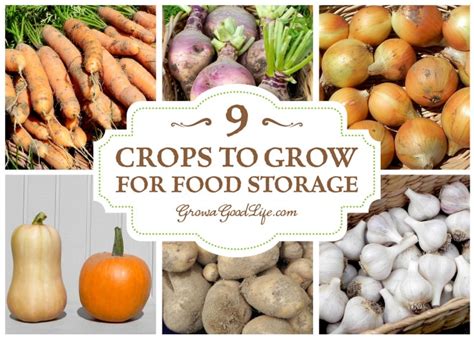
- Onions & Garlic: Cure thoroughly in a warm, dry place until skins are papery. Store by braiding and hanging, or in mesh bags, in a cool, dark, and dry area. Good air circulation is vital to prevent mold.
- Winter Squash & Pumpkins: Cure in a warm (75-85°F / 24-29°C), sunny spot for 1-2 weeks after harvest to harden skins. Then, store in a cool (50-55°F / 10-13°C), dry, dark place on shelves, ensuring no two touch.
- Dry Beans: Harvest when pods are brittle and beans are hard. Shell and store in airtight containers in a cool, dark pantry.

Beyond the Cellar: Drying and Fermentation
Not all produce is destined for a cool, dark corner. Ancient methods like drying and fermentation transform fresh goods into stable, long-lasting provisions.
Drying (Dehydration):
Removes moisture, inhibiting spoilage. Herbs, fruit leathers, apple rings, tomato halves, and even sliced mushrooms can be dried in a dehydrator, a low oven, or by air in warm, dry climates. Store dried goods in airtight containers away from light and moisture.
Fermentation:
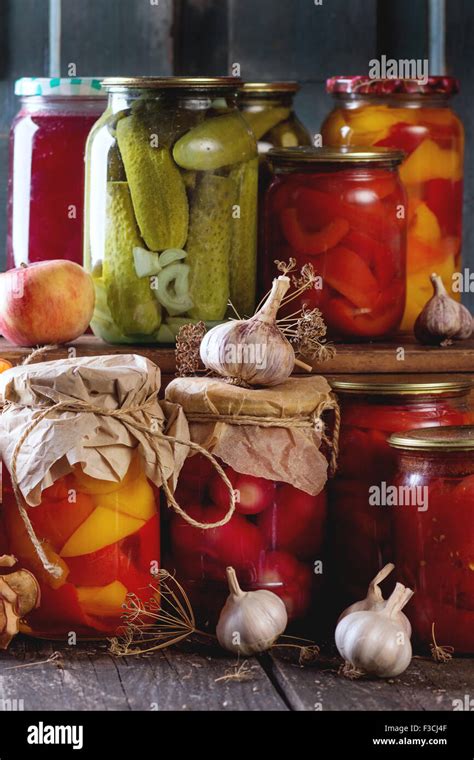
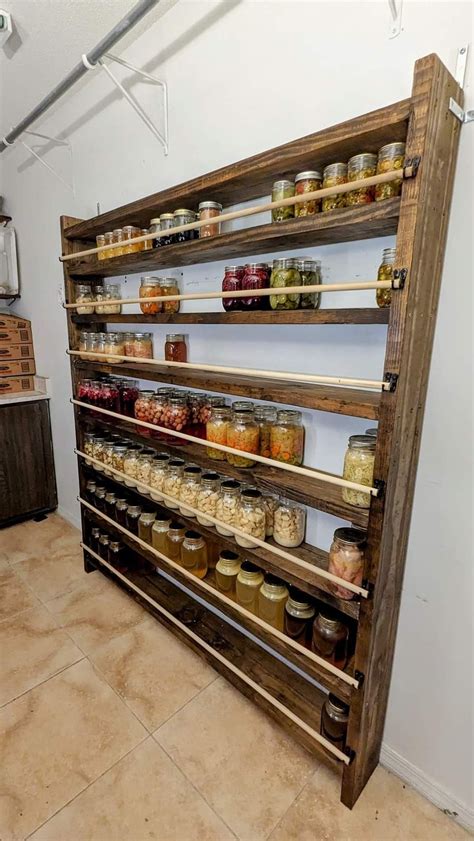
A natural process using beneficial bacteria to preserve and create new flavors. Sauerkraut (fermented cabbage), kimchi, pickled cucumbers, and lacto-fermented vegetables are excellent examples. These foods store well in cool pantry conditions or a root cellar after fermentation, offering probiotic benefits along with extended shelf life.

Tips for Successful Natural Storage
- Harvest at Peak: Only store blemish-free, mature produce. Any nicks or soft spots will lead to quick spoilage.
- Curing is Key: For potatoes, squash, onions, and garlic, a curing period after harvest helps toughen skins and heal minor injuries, improving storage life.
- Cleanliness Matters: While root vegetables shouldn’t be washed, brush off excess soil. Ensure storage containers are clean and pest-free.
- Monitor Regularly: Check stored produce every few weeks and remove any items showing signs of spoilage to prevent it from spreading.
- Label Everything: Keep track of what you have and when it was stored.
By re-engaging with these time-honored methods, we not only extend the bounty of our gardens but also reduce our reliance on energy-intensive refrigeration. There’s a profound satisfaction in knowing your winter meals are sustained by your own efforts, stored naturally, and bursting with the true taste of the earth.