Strong DIY pantry shelves for heavy Mason jars?

Why Strong Shelving is Non-Negotiable for Mason Jars
For many home canners and bulk shoppers, Mason jars are indispensable. They offer excellent food preservation and storage solutions, but a pantry stocked with full Mason jars quickly becomes incredibly heavy. A single quart jar of preserved food can weigh over 2 pounds, and a shelf holding dozens can easily exceed hundreds of pounds. Standard, flimsy particleboard or poorly constructed shelves are simply not up to this task, posing a significant safety risk and leading to potential damage or collapse.
Building your own heavy-duty shelves ensures that your valuable stores are safely supported. This guide will walk you through the essential considerations and materials needed to construct pantry shelves that are not only functional but also built to last, providing unwavering support for even your heaviest collection of Mason jars.
Key Design Considerations for Unyielding Support
Before grabbing your tools, thoughtful planning is crucial. The strength of your shelves depends on several factors: material choice, span, depth, and how they are attached to the wall. For heavy loads like Mason jars, you want to minimize the unsupported span between vertical supports to prevent sagging. A span of no more than 24-36 inches is ideal for optimal strength.
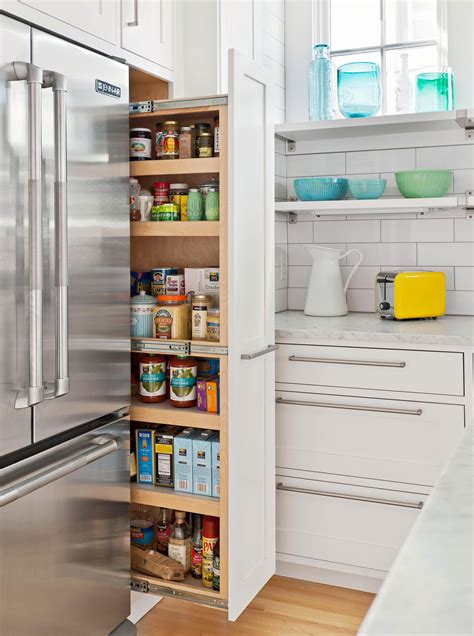
Shelf depth should accommodate your largest jars without wasting excessive space. Typically, 12-16 inches deep is sufficient for most Mason jar sizes, allowing a single or double row. Crucially, all shelving must be securely anchored into wall studs. Drywall anchors alone are insufficient for the weight of full Mason jars and will eventually fail.
Recommended Materials for Maximum Durability
Choosing the right materials is paramount for building shelves capable of supporting significant weight. Avoid particleboard or MDF for the main shelf surfaces, as they tend to sag and delaminate under heavy loads, especially if exposed to moisture.
- Solid Wood Lumber: Dimensional lumber like 2x4s or 2x6s (for the framework and front/back supports) and 3/4-inch plywood (for the shelf surface) are excellent choices. Hardwoods like oak or maple offer superior strength but are more expensive and harder to work with than softwoods like pine, which is still very strong when appropriately sized.
- Plywood: For the shelf surface itself, 3/4-inch ACX or BCX grade plywood is highly recommended. It offers excellent rigidity and resists warping better than solid wood planks over wide spans.
- Fasteners: Use high-quality wood screws (minimum 2.5-inch length) for attaching shelf components, and lag screws (3-inch or longer, 3/8-inch diameter) for attaching the shelf framework directly into wall studs. Predrill all holes to prevent splitting.

A Simplified Approach to Building Your Strong Pantry Shelves
While specific designs can vary, a common and effective method for heavy-duty pantry shelves involves creating a strong cleat system or a box-frame structure for each shelf. This distributes weight efficiently and provides ample fastening points.
- Measure and Plan: Determine the exact dimensions of your pantry space and the desired height and number of shelves. Locate and mark all wall studs.
- Cut Components: Cut your dimensional lumber for the cleats (side and back supports) and front facia pieces. Cut 3/4-inch plywood to your desired shelf depth and length.
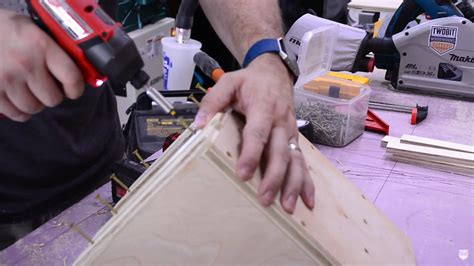
- Assemble Framework (Optional Box Frame): For extreme strength, you can build a simple box frame for each shelf using 2x2s or 2x4s for the front, back, and side rails, then cap it with plywood.
- Attach Wall Cleats: Securely screw 2x2s or 2x4s horizontally into the wall studs along the back and sides where each shelf will rest. Ensure these are perfectly level. These cleats will bear the majority of the shelf’s weight.
- Install Shelves: Place your cut plywood shelves onto the cleats. For added rigidity and a finished look, attach a 1×2 or 1×3 facia board along the front edge of the plywood shelf, screwing it into the plywood and the side supports.
Maximizing Longevity and Safety
Once your shelves are constructed, a few finishing touches can enhance their durability and safety. Consider sanding all rough edges to prevent splinters and applying a coat of paint or sealer. This not only improves aesthetics but also protects the wood from moisture and makes the shelves easier to clean.

When loading your new shelves, distribute weight as evenly as possible. While your new shelves are robust, avoid concentrating all the heaviest items in one small area. With proper planning, quality materials, and careful construction, your DIY pantry shelves will provide a safe, organized, and long-lasting home for all your heavy Mason jars and other bulk storage needs for years to come.