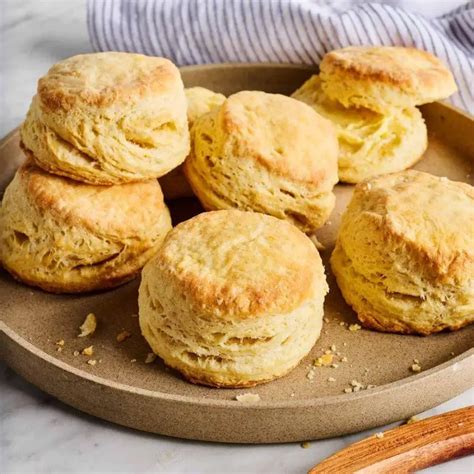

Struggling with dry homemade biscuits? What’s the secret to moist, tender country baking?

Unlocking the Secret to Perfectly Moist & Tender Biscuits
There’s nothing quite like a warm, flaky biscuit, fresh from the oven, melt-in-your-mouth tender with a rich, buttery flavor. Yet, for many home bakers, the dream often falls short, resulting in dense, crumbly, or disappointingly dry creations. If you’ve ever wondered why your homemade biscuits lack that coveted country-style moisture and tenderness, you’re in the right place. We’re about to unveil the time-honored secrets that elevate a good biscuit to an unforgettable one.
The Common Culprits Behind Dry Biscuits
Before we dive into the solutions, let’s identify the usual suspects. The most frequent errors leading to dry biscuits include overworking the dough, using ingredients that aren’t cold enough, insufficient fat, incorrect leavening, and simply overbaking. Understanding these pitfalls is the first step towards biscuit perfection.

Ingredient Secrets for Supreme Moisture
The foundation of a moist biscuit lies in its ingredients. Always start with cold butter or a combination of butter and shortening. Cold fat creates steam as it bakes, leading to those desirable flaky layers. Buttermilk is another game-changer; its acidity reacts with baking soda to provide lift and also contributes a unique tang and tenderness. Ensure all your dairy, including buttermilk, is straight from the refrigerator.
Using a high-quality, low-protein flour (like a soft winter wheat flour or self-rising flour designed for biscuits) can also make a significant difference. High-protein flours develop more gluten, which can lead to a tougher biscuit.

Technique is King: Handling the Dough with Care
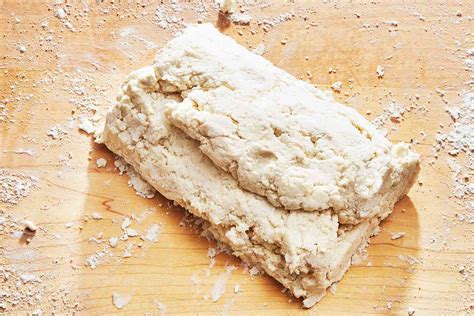
Once you have your ingredients ready, technique becomes paramount. The golden rule for biscuits is minimal handling. Overworking the dough develops gluten, resulting in a tough, dry biscuit. Mix just until combined, and then gently pat or fold the dough rather than kneading vigorously. For ultimate flakiness, try the “fold and stack” method: lightly pat the dough into a rectangle, fold it into thirds (like a letter), pat it down again, and repeat 2-3 times. This builds layers without overworking.
When cutting biscuits, use a sharp cutter and press straight down without twisting. Twisting seals the edges, inhibiting rise.
The Perfect Bake: Temperature and Time
Biscuits love heat! A high oven temperature (typically 425-450°F / 220-230°C) is crucial. The initial blast of heat causes the leavening to activate rapidly and the cold fat to release steam, creating a quick rise and a tender interior. Don’t crowd the pan, as this can affect even baking and browning. Bake until golden brown on top and bottom, but resist the urge to overbake, as even a few extra minutes can turn a moist biscuit dry. Timing is everything, so keep a close eye on them.

Bonus Tips for Ultimate Tenderness
- Brush with Butter: For an extra layer of flavor and moisture, brush the tops of your freshly baked biscuits with melted butter as soon as they come out of the oven.
- Serve Immediately: Biscuits are best enjoyed warm. The longer they sit, the more moisture they lose.
- Pan Choice: Baking on a light-colored baking sheet can prevent the bottoms from browning too quickly, allowing the interior to cook thoroughly without drying out.
Your Journey to Biscuit Perfection
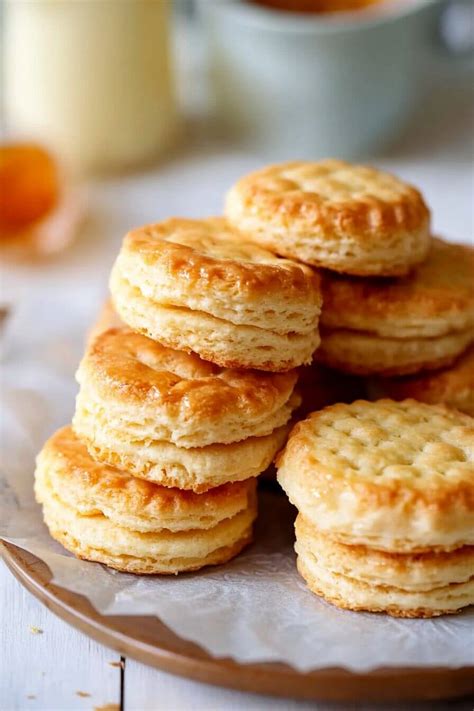
Crafting truly moist and tender country biscuits is a rewarding endeavor. By understanding the role of cold ingredients, gentle handling, and precise baking, you can transform your biscuit-making from a struggle into a triumph. Embrace these secrets, experiment with your technique, and prepare to delight in the flaky, buttery goodness of homemade biscuits that are anything but dry!