Sustainable travel tips for finding real food & rustic stays in rural areas?

Embracing the Authentic: Sustainable Travel Beyond the Beaten Path
In an age of mass tourism, many travelers yearn for something more profound: a genuine connection with local culture, untouched landscapes, and the simplicity of rural life. Sustainable travel to rural areas offers just that, allowing you to not only explore hidden gems but also to support local communities and minimize your environmental footprint. This guide provides actionable tips for unearthing real, farm-fresh food and finding charming, rustic accommodations that offer an authentic taste of your destination.
The Quest for Real Food: Eating Locally & Authentically
Food is a window into a culture. In rural settings, this window often opens to hyper-local, seasonal, and traditionally prepared dishes that tell stories of the land and its people.
Farmers’ Markets & Roadside Stands
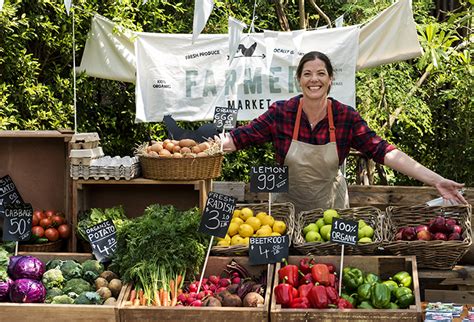
The most direct way to find real food is at its source. Seek out local farmers’ markets (often held weekly in town squares) or small roadside stands. Here, you can buy fresh produce, homemade jams, artisanal cheeses, and baked goods directly from the producers. Engaging with farmers offers insights into local agriculture and provides a truly fresh, often organic, culinary experience.
Local Eateries & Taverns
Bypass the tourist traps and ask locals where they eat. This often leads to humble, family-run restaurants, trattorias, or taverns that serve traditional dishes using ingredients sourced from nearby farms. These establishments are the heart of local gastronomy, offering authentic flavors at fair prices.

Farm-to-Table Experiences & Cooking Classes
Many rural areas now boast farm-to-table restaurants that highlight ingredients grown on their own property or from neighboring farms. For a deeper dive, consider joining a cooking class with a local family or chef. This immersive experience not only teaches you traditional recipes but also offers a glimpse into local culinary traditions and home life.
Foraging & Wild Food
With proper guidance from a local expert, foraging for wild edibles can be an incredible way to connect with the landscape. From wild berries and mushrooms to herbs and greens, this offers a unique, hyper-seasonal food experience. Always ensure you are with a knowledgeable local guide to avoid any risks.
Embracing Rustic Stays: Authentic & Eco-Conscious Accommodation
Moving away from generic hotels, rustic stays offer character, charm, and often a deeper connection to the local environment and community.
Homestays & Guesthouses
Staying with a local family in a homestay or a small, independently run guesthouse is perhaps the most authentic way to experience rural life. You’ll gain firsthand cultural insights, support the local economy directly, and often enjoy homemade meals. Websites like Airbnb, Booking.com, or local tourism boards often list such accommodations.

Farm Stays & Agritourism
Imagine waking up to the sounds of nature, surrounded by fields and animals. Farm stays (agritourism) allow you to live on a working farm, often participating in daily activities like milking cows, harvesting produce, or making cheese. This is an unparalleled opportunity to understand agricultural practices and enjoy the bounty of the land.
Eco-Lodges & Glamping
For those seeking comfort with an environmental conscience, eco-lodges or rustic glamping sites are excellent options. These accommodations are designed to minimize their ecological footprint, often using renewable energy, sustainable materials, and responsible waste management. They blend harmoniously with their natural surroundings, offering a peaceful retreat.

Responsible Camping
If you prefer a truly immersive nature experience, responsible camping is ideal. Look for designated campsites that provide facilities and guidance on minimizing your impact. Remember to practice Leave No Trace principles: pack out everything you pack in, respect wildlife, and be mindful of campfires.
Sustainable Practices for a Meaningful Rural Journey
Beyond food and accommodation, your overall approach to travel can enhance its sustainability.
- Minimize Waste: Carry reusable water bottles, coffee cups, and shopping bags. Choose products with minimal packaging.
- Conserve Resources: Be mindful of water and energy usage in your accommodation. Turn off lights and AC when leaving a room.
- Support Local: Beyond food and lodging, buy souvenirs from local artisans, visit local museums, and hire local guides.
- Respect Culture & Environment: Learn a few phrases of the local language, dress respectfully, and always ask permission before taking photos of people. Stay on marked trails and do not disturb wildlife or natural habitats.
- Responsible Transportation: Utilize public transport, bicycle rentals, or walk whenever possible to reduce carbon emissions.
Conclusion: Travel with Purpose
Sustainable travel to rural areas is more than just a trip; it’s an opportunity for deep cultural immersion, environmental stewardship, and personal growth. By consciously seeking out real food and rustic stays, and by adopting sustainable practices, you contribute positively to the places you visit, ensuring these authentic experiences remain available for future generations. Embrace the quiet charm, the genuine hospitality, and the profound beauty of rural life, and you’ll return home with memories that truly nourish the soul.