Sustainable ways to extend the harvest season in a small country garden?
Embracing a Longer Growing Season in Your Country Garden
For many country garden enthusiasts, the joy of fresh, homegrown produce is a highlight of summer. However, with thoughtful planning and sustainable practices, you can dramatically extend your harvest season, enjoying your garden’s bounty well beyond traditional boundaries. A small country garden, far from being a limitation, presents a unique opportunity for intensive, strategic cultivation aimed at continuous yields.
Extending the harvest isn’t just about getting more food; it’s about enhancing food security, reducing waste, and deepening your connection with the rhythm of nature. It involves working smarter, not harder, by employing techniques that respect the environment and maximize the potential of your limited space.
Strategic Planning for Continuous Yields
The foundation of an extended harvest lies in meticulous planning. Start by understanding your garden’s microclimates – areas that warm up faster in spring or stay cooler in summer. Sketching out your garden space helps visualize sun exposure throughout the day and year, identifying prime spots for early or late crops.
Consider implementing crop rotation to maintain soil health and prevent pest build-up, which indirectly supports a longer, healthier growing season. Think about what you want to harvest and when, working backward from your desired harvest dates to planting times. This ensures a steady supply rather than a glut of one item.
Mastering Succession Planting
One of the most effective ways to extend your harvest is through succession planting. Instead of planting all your lettuce seeds at once, sow small batches every two to three weeks. This ensures a continuous supply of young, tender greens rather than a single massive harvest followed by bolting plants.
This technique works wonderfully for many quick-growing crops like radishes, bush beans, cilantro, and spinach. As one crop finishes, another is already maturing, ready to take its place. Combining succession planting with diverse crop choices ensures variety and prevents your garden beds from sitting empty.
Utilizing Season Extension Techniques
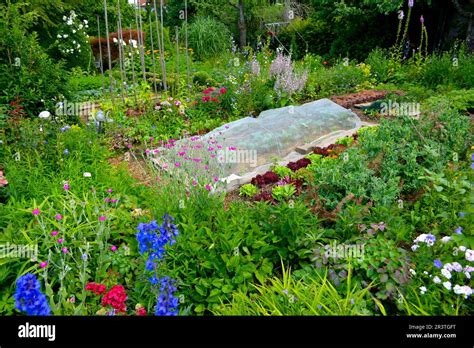
Physical barriers are invaluable tools for pushing the boundaries of your growing season. Simple, DIY cold frames or cloches made from repurposed materials can shield young plants from late spring frosts and early autumn chills, allowing you to plant earlier and harvest later. Floating row covers offer similar protection against cold, wind, and even pests, without inhibiting light or water.
For more substantial protection, consider building a low tunnel or a mini-hoop house. These structures create a warmer microclimate, allowing cool-season crops like kale, collards, and hardy greens to thrive well into winter, and providing a head start for spring seedlings.
Selecting the Right Varieties
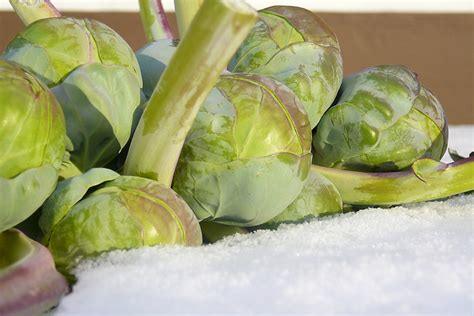
Choosing the correct plant varieties is crucial for an extended harvest. Opt for ‘bolt-resistant’ lettuce and spinach varieties that tolerate warmer temperatures, or ‘early maturing’ types that yield quickly. Look for ‘frost-tolerant’ or ‘cold-hardy’ vegetables such as kale, Brussels sprouts, parsnips, and some root vegetables, which can often sweeten with a touch of frost.
Similarly, heat-tolerant varieties of beans, tomatoes, and peppers can keep producing through the hottest parts of summer. Researching and selecting specific cultivars known for their extended harvest periods or resilience to temperature extremes will significantly enhance your garden’s productivity.

Maximizing Space with Intensive and Vertical Gardening
In a small country garden, every square inch counts. Intensive planting techniques, like square foot gardening, allow you to grow more in less space by optimizing plant spacing. Companion planting not only helps deter pests but also allows plants to mutually benefit, leading to healthier, more vigorous growth and a longer productive life.
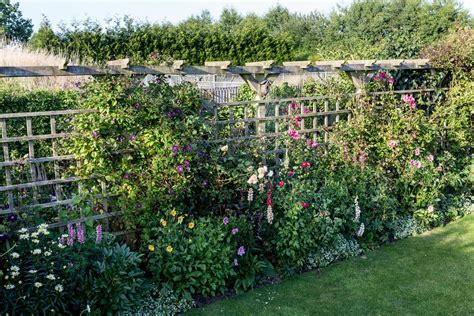
Vertical gardening is another excellent strategy. Trellises, arches, and hanging baskets can transform vertical space into productive growing areas for climbing beans, cucumbers, vining tomatoes, and even squash. This not only increases yield but also improves air circulation, reducing disease risk and making harvesting easier.
Soil Health and Water Management
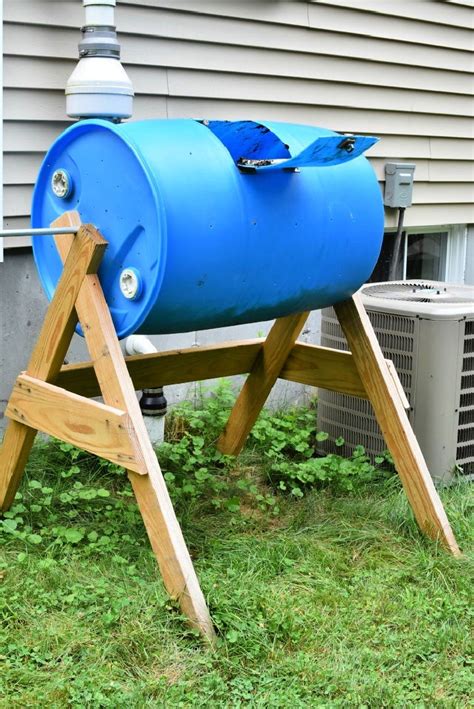
Healthy soil is the bedrock of a successful, extended harvest. Regularly amending your soil with compost and organic matter improves its structure, water retention, and nutrient availability, making plants more resilient to stress and encouraging continuous growth. Deep, healthy roots are better equipped to withstand temperature fluctuations.
Efficient watering practices are also key. Mulching around plants conserves soil moisture, regulates soil temperature, and suppresses weeds, all of which contribute to plant health and extended productivity. Consider drip irrigation or soaker hoses for targeted watering that minimizes evaporation.
Protecting Your Harvest
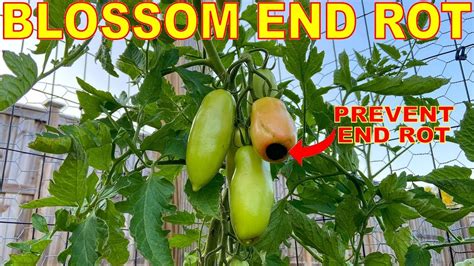
Even with careful planning, unexpected challenges can arise. Be vigilant against pests and diseases, addressing issues promptly with organic solutions to keep plants healthy and productive. In summer, providing shade for heat-sensitive crops during the hottest part of the day can prevent bolting and sunscald, extending their harvest window.
As autumn approaches, be prepared to protect crops from sudden cold snaps. Old blankets, burlap, or even cardboard can be quickly deployed over vulnerable plants to shield them from frost, buying you extra weeks of harvest time.
Smart Harvesting and Storage
Knowing when and how to harvest is crucial. Many crops, like beans, zucchini, and peppers, will produce more if harvested frequently. Allowing produce to over-ripen on the plant can signal it to stop producing.
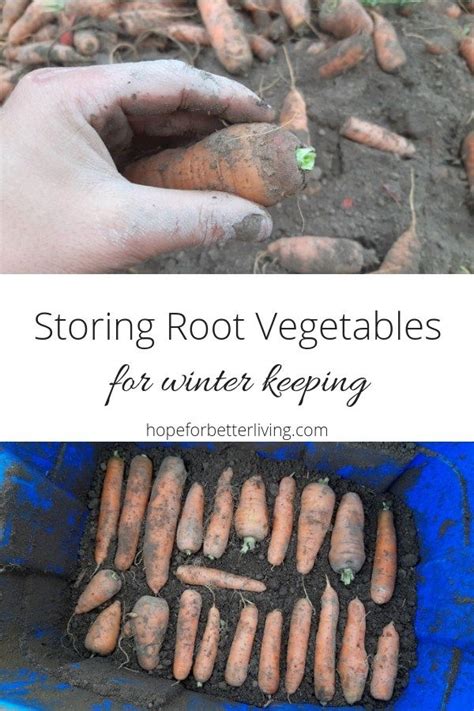
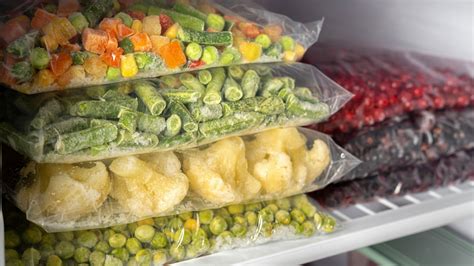
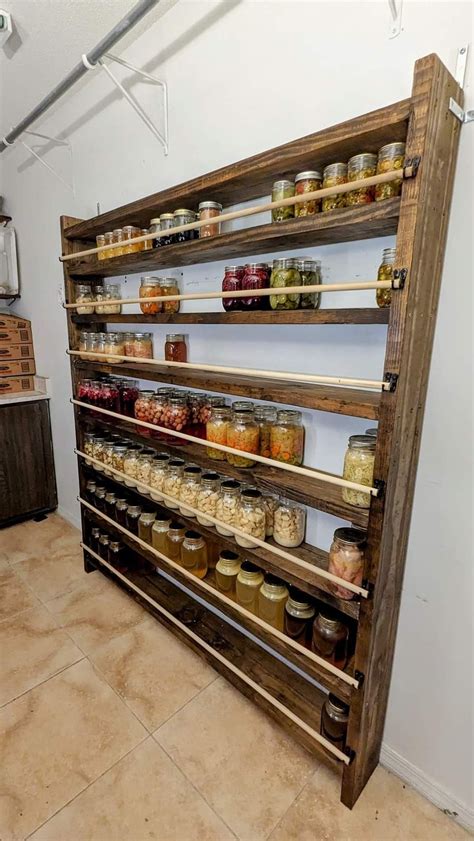
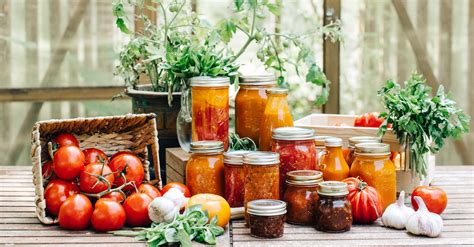
Finally, extending the harvest isn’t just about what’s in the garden; it’s also about what you do with it. Proper storage techniques – curing root vegetables, blanching and freezing greens, drying herbs, or canning fruits and vegetables – ensure that your hard-won harvest can be enjoyed throughout the year, even when the garden is dormant.
Conclusion
Extending the harvest season in your small country garden is a rewarding endeavor that transforms your plot into a year-round source of fresh produce. By combining strategic planning, innovative techniques, and a deep understanding of your plants and environment, you can enjoy a continuous stream of delicious, homegrown food, enriching your life and your connection to the land.