
Safest beginner canning methods for garden surplus?
Discover the safest and most reliable canning methods for beginners to preserve your bountiful garden harvest, ensuring delicious pantry staples all year long.
Real Food, Homemade Stories & Country Living





Discover the safest and most reliable canning methods for beginners to preserve your bountiful garden harvest, ensuring delicious pantry staples all year long.
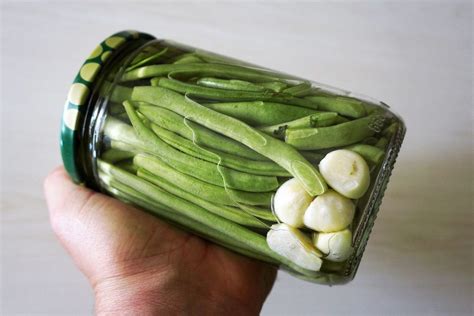
While the title asks about water bath canning, safely preserving garden green beans for winter meals strictly requires pressure canning due to their low acidity, a critical step to prevent foodborne illness.
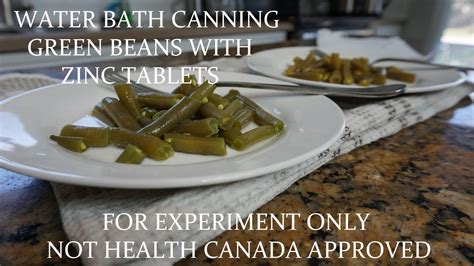
While tempting, water bath canning is not a safe method for plain green beans due to botulism risk; pressure canning is the only recommended way to preserve their freshness safely.
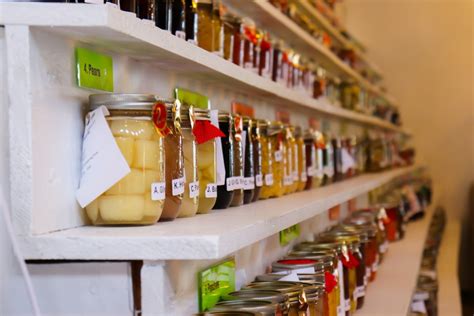
Safely preserving your low-acid garden produce requires specific canning methods to prevent foodborne illness, primarily pressure canning.
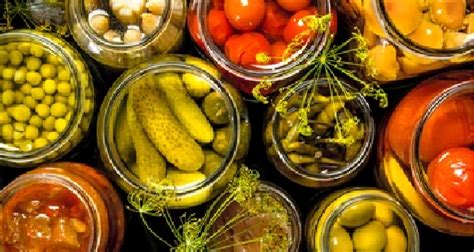
Discover straightforward canning methods like water bath and pressure canning to transform your garden’s bounty into delicious, shelf-stable real food for year-round enjoyment, even for beginners.

While traditional water bath canning is unsafe for low-acid vegetables, this article explores the essential reasons why a pressure canner is required and details safe alternative preservation methods like pickling, freezing, and dehydrating.
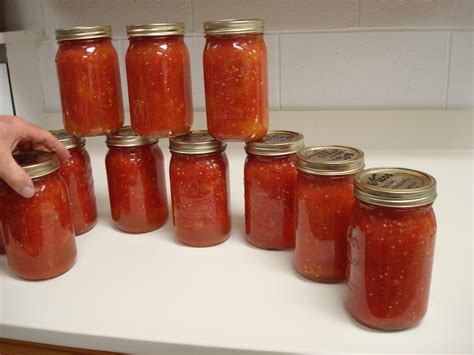
Learn the most efficient methods for preserving your bountiful summer tomato harvest, ensuring delicious, homemade staples for the year ahead.
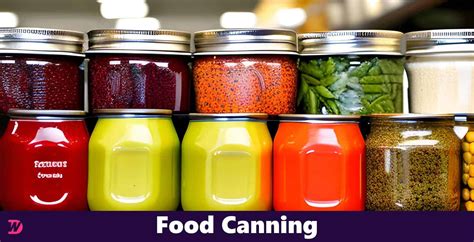
The only safe DIY method for canning low-acid vegetables, like green beans and corn, is pressure canning, which reaches temperatures high enough to destroy dangerous *Clostridium botulinum* spores.
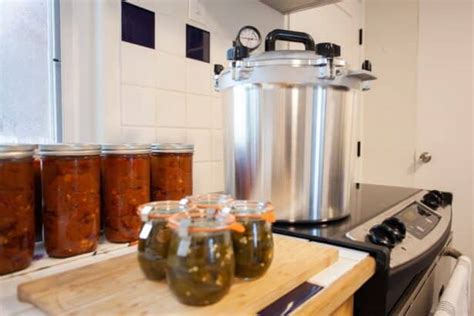
Learn the essential steps and safety protocols for successfully home pressure canning low-acid garden vegetables, ensuring your preserved harvest is both delicious and safe from harmful bacteria.

Learning to properly adjust canning recipes for higher altitudes is crucial for food safety and quality when preserving garden produce grown in elevated regions.