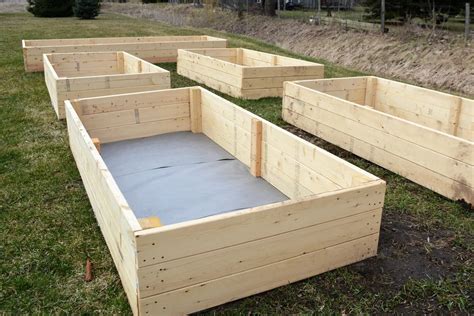
What’s the best DIY raised garden bed material for longevity and food safety?
Choosing the right material for your DIY raised garden bed is crucial for ensuring both long-term durability and the safety of your homegrown produce.
Real Food, Homemade Stories & Country Living






Choosing the right material for your DIY raised garden bed is crucial for ensuring both long-term durability and the safety of your homegrown produce.

Discover the top naturally rot-resistant wood options like cedar, redwood, and black locust, ensuring durability and longevity for your DIY raised garden beds without chemical treatments.

Discover the safest and most effective natural wood preservatives like linseed oil, tung oil, and traditional charring to extend the life of your raised garden beds without harmful chemicals.
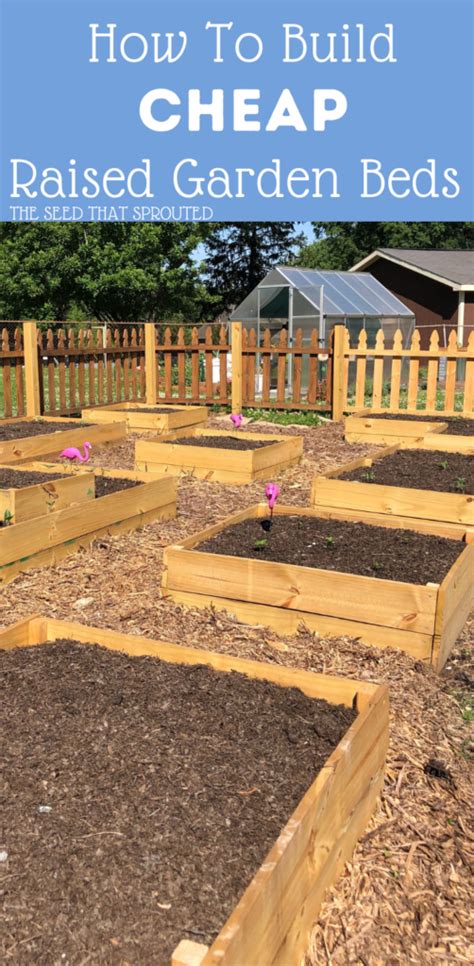
Discover how to construct nutrient-rich raised garden beds without breaking the bank, enhancing soil health and productivity using reclaimed materials and smart layering techniques.
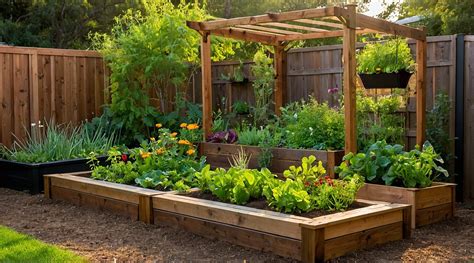
Discover effective and eco-friendly DIY strategies to naturally protect your raised garden beds from common pests, ensuring a healthy and bountiful harvest without chemical intervention.
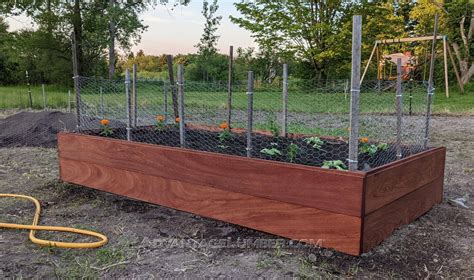
Choosing the right rot-proof wood is crucial for building durable, long-lasting DIY raised garden beds that can withstand moisture and decay for years of productive gardening.
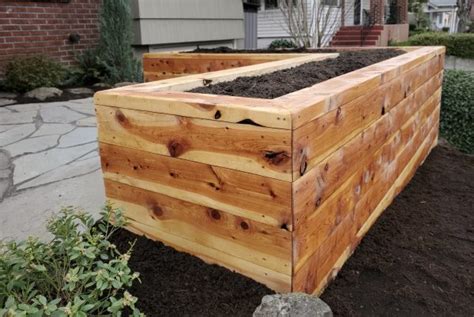
Choosing the right rot-resistant wood for your DIY raised garden bed is crucial for its longevity, ensuring years of healthy harvests and minimal maintenance.
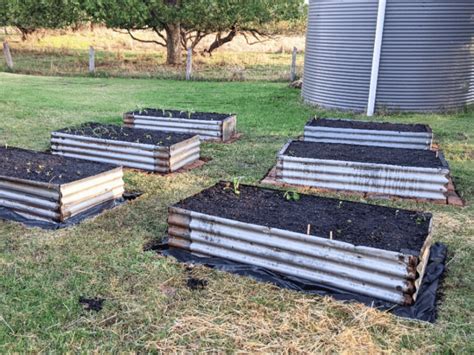
Discover the simplest DIY methods for constructing cost-effective and eco-friendly raised garden beds using readily available reclaimed materials like pallets or lumber scraps.
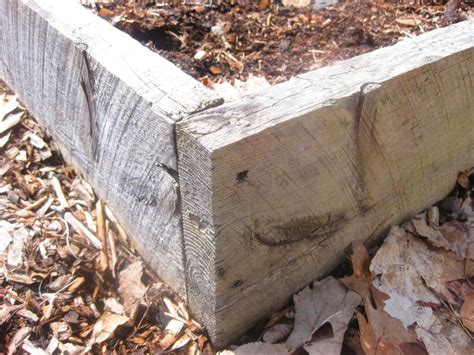
Discover the best non-toxic and budget-friendly wood options, from untreated cedar to reclaimed lumber, for building durable and safe DIY raised garden beds that nourish your plants and your wallet.
Learn effective DIY strategies to enhance raised garden bed drainage, preventing waterlogging and promoting healthier plant growth for significantly better yields.