Teaching kids food preservation skills: turning garden bounty into homemade pantry staples?

Harvesting Life Skills from the Garden
In a world increasingly disconnected from where our food comes from, teaching children the art of food preservation offers a powerful antidote. It’s more than just saving a harvest; it’s about imparting invaluable life skills, fostering self-sufficiency, and deepening their connection to nature’s bounty. Imagine your children proudly showcasing jars of homemade jam or pickled vegetables, knowing they played a crucial role in transforming garden produce into delicious pantry staples. This hands-on experience transcends a simple cooking lesson; it’s an immersive journey into science, patience, and sustainability.
Getting Started: Age-Appropriate Tasks and Safety First
The beauty of food preservation lies in its adaptability. Even young children can participate, with tasks scaled to their age and abilities. For toddlers and preschoolers, simple tasks like washing produce, snapping beans, or stirring ingredients (under close supervision) can be incredibly engaging. Older children can handle more complex steps such as chopping, measuring, and even operating basic equipment like dehydrators or food processors, always with an adult nearby to ensure safety.
Safety is paramount. Always teach children about sharp knives, hot stoves, and proper hygiene. Emphasize handwashing, clean workstations, and understanding the ‘why’ behind each safety rule. Turning these lessons into habits will serve them well in all aspects of life.
Simple Preservation Methods Kids Can Master
Choosing the right preservation method can make all the difference in keeping kids engaged. Start with methods that offer quick, satisfying results and minimal risk:
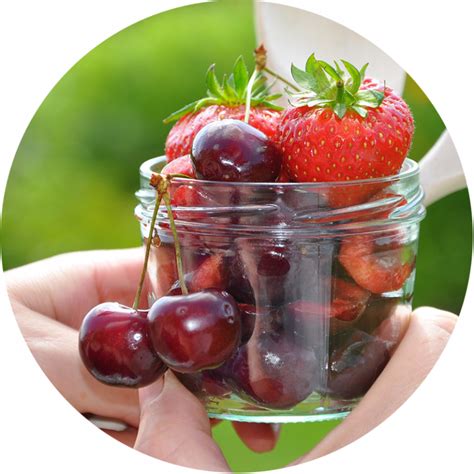
- Jam and Jelly Making: A classic for a reason! Kids love mashing berries, stirring the pot (carefully!), and watching the mixture thicken. The vibrant colors and sweet aromas are instantly rewarding. They can also help with filling jars and screwing on lids.
- Pickling: From cucumbers to green beans, pickling is surprisingly simple. Kids can help prepare vegetables, mix brine ingredients, and pack jars. The science of fermentation and the satisfying crunch of a homemade pickle are excellent motivators.

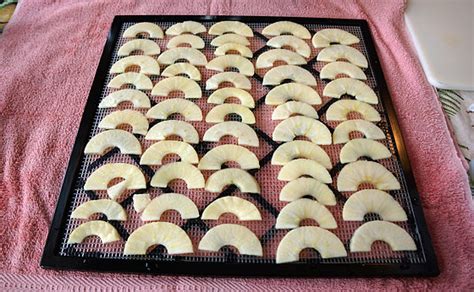
- Dehydrating: This method is fantastic for fruits like apples, bananas, and berries, as well as herbs. Kids can slice fruits, arrange them on dehydrator trays, and eagerly check on their progress as the moisture slowly leaves, concentrating the flavors. It’s a great lesson in patience and transformation.
- Freezing: Perhaps the simplest method, freezing allows children to wash, chop, and bag fruits and vegetables. They can see immediate results and understand the concept of saving food for later use with minimal fuss.
Beyond the Pantry: Lessons for Life
The benefits of teaching food preservation extend far beyond a stocked pantry. Children learn:
- Patience and delayed gratification: Waiting for jam to set or pickles to ferment teaches valuable lessons.
- Practical math and science: Measuring ingredients, understanding ratios, and observing chemical changes are all integrated into the process.
- Resourcefulness and sustainability: They learn to minimize waste, appreciate the seasonality of food, and gain an understanding of food security.
- Teamwork and communication: Working together on a preservation project fosters collaboration and strengthens family bonds.
- A deeper appreciation for food: When they’ve invested their time and effort, children are more likely to try and enjoy the foods they’ve helped prepare.

Making it Fun: Labeling, Decorating, and Gifting
To keep the enthusiasm high, turn preservation into a creative endeavor. Let kids design and decorate labels for their jars, giving each product a unique name. They can choose ribbons, fabrics, or gift tags to personalize their creations. These homemade staples make fantastic gifts for teachers, grandparents, or neighbors, adding another layer of pride and accomplishment to their efforts. Imagine the joy in giving a gift they personally helped create, packed with garden-fresh goodness!
Cultivating Future Foodies and Self-Sufficient Individuals
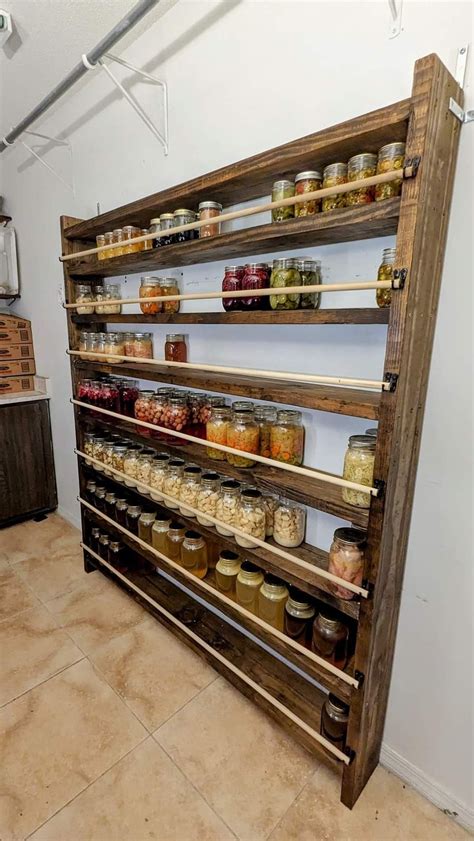
Teaching kids food preservation skills is an investment in their future. It equips them with practical abilities, instills a sense of accomplishment, and fosters a deep respect for food and the natural world. From the simplest berry jam to a batch of crisp pickled green beans, every jar represents not just a pantry staple, but a repository of invaluable lessons and cherished family memories. So, next time your garden overflows, invite your children into the kitchen and embark on a delicious adventure of turning today’s bounty into tomorrow’s pantry treasures.