Teaching kids real food prep & eating homegrown meals?

Cultivating Culinary Skills and Healthy Habits
In an age dominated by processed foods and convenience, the art of real food preparation can feel like a lost skill. However, teaching children how to prepare wholesome meals and understand where their food comes from is one of the most valuable lessons parents can impart. It’s not just about cooking; it’s about fostering independence, encouraging healthier eating habits, and building a deeper connection to the food we consume.
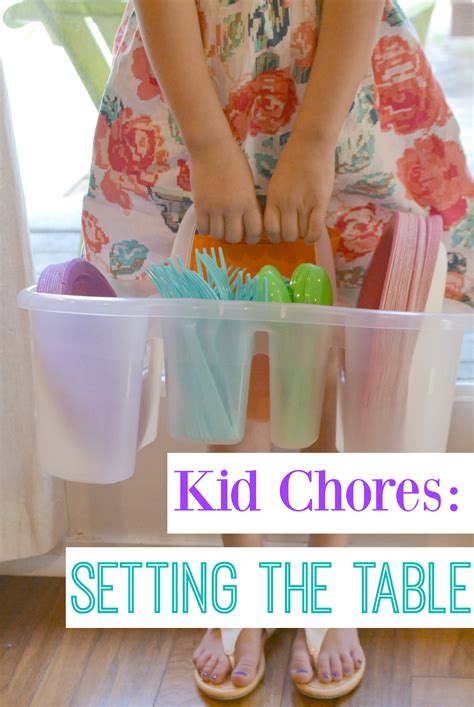
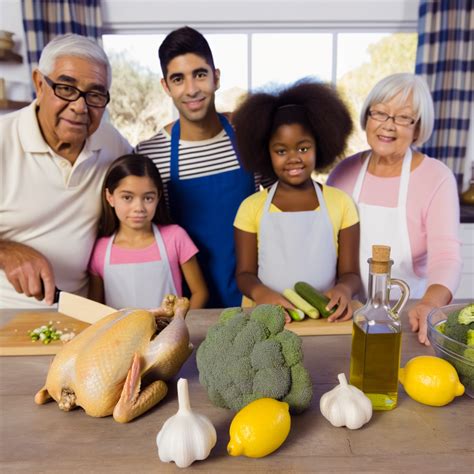
Involving kids in the kitchen, even from a young age, transforms mealtime from a chore into an engaging activity. Simple tasks like washing vegetables, stirring ingredients, or setting the table can be empowering. As they grow, they can progress to chopping, measuring, and following recipes, gaining confidence and practical life skills that will serve them well into adulthood.
The Garden-to-Table Experience
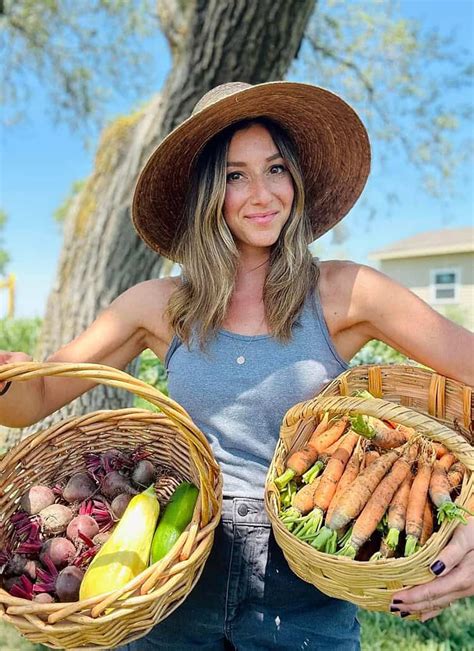
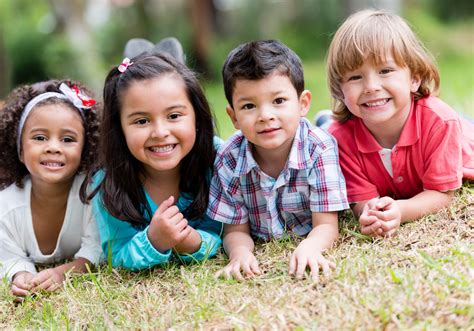
Taking this a step further, the experience of growing your own food adds an unparalleled dimension to food education. A home garden, whether a small container setup on a balcony or a sprawling backyard plot, offers a living classroom. Children can witness the miracle of a seed transforming into a fruit or vegetable, learning about plant life cycles, patience, and the impact of nature firsthand.
When kids participate in planting, watering, and harvesting, they develop a sense of ownership and pride in the food they produce. This direct involvement significantly increases their willingness to try new vegetables and appreciate the flavors of fresh, seasonal produce. There’s a special satisfaction in eating a salad made with lettuce you grew yourself or biting into a tomato picked fresh from the vine.

Practical Tips for Involving Kids
Making food prep and gardening an enjoyable family activity doesn’t require extensive expertise. Start small and make it fun:
- Age-Appropriate Tasks: For toddlers, washing produce or tearing lettuce leaves. For preschoolers, mashing soft fruits or stirring. Older children can chop with kid-safe knives, measure ingredients, or help read recipes.
- Choose Simple Recipes: Begin with dishes that have few ingredients and straightforward steps, like homemade pizzas, fruit salads, or simple baked goods.
- Visit Farmers’ Markets: Expose children to a variety of fresh produce and talk to local farmers about where their food comes from.
- Start a Small Garden: Even a few pots of herbs or cherry tomatoes can provide a rewarding gardening experience. Let kids choose what they want to grow.
- Make It a Routine: Designate a ‘kids’ cooking night’ or involve them in weekend meal prep.

Benefits Beyond the Plate
The advantages of teaching children about real food preparation and homegrown meals extend far beyond nutrition. These activities:
- Boost Confidence: Mastering a new recipe or successfully growing a plant empowers children.
- Teach Patience: Waiting for seeds to sprout or a dish to bake helps develop patience.
- Enhance Math and Science Skills: Measuring ingredients, understanding recipes, and observing plant growth are all hands-on learning opportunities.
- Foster Creativity: Experimenting with flavors and presentations encourages imaginative thinking.
- Strengthen Family Bonds: Cooking and gardening together create cherished memories and opportunities for communication.

Creating a Legacy of Wholesome Living
By integrating food preparation and gardening into family life, parents are not just feeding their children; they are nurturing a lifelong appreciation for healthy eating, sustainability, and the joy of creation. These fundamental skills equip children to make informed food choices, contribute meaningfully to their households, and ultimately, lead healthier, more self-sufficient lives. It’s an investment in their future, building a foundation of wellness and connection that will serve them long after they leave the family nest.