
Tips for a perfectly flaky pie crust from scratch using real butter?
Creating a truly flaky pie crust is a culinary art form, and the secret weapon for achieving that coveted texture and flavor is undeniably real butter. Unlike shortening, butter imparts a depth of flavor and a distinct flakiness that makes all the difference. Master these tips, and you’ll be on your way to pie perfection.
The Importance of Cold, High-Quality Butter
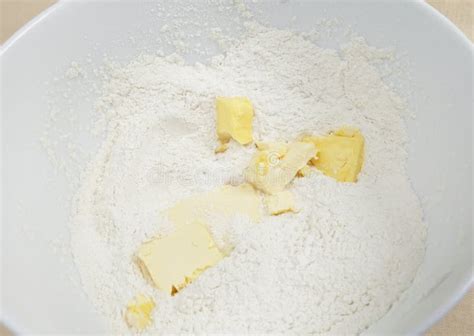
Your butter’s temperature and quality are paramount. Always use unsalted, high-quality butter straight from the refrigerator. Cold butter is crucial because it creates pockets of steam when it bakes, which results in those beautiful, airy flakes. If your butter is too warm, it will melt into the flour, leading to a tough, dense crust instead of a flaky one. Cube your butter into small, even pieces before you begin to make it easier to incorporate.
Some bakers even freeze their butter for 10-15 minutes before cutting it into the flour for an extra edge of coldness, ensuring it stays solid during the mixing process. This prevents the butter from fully integrating with the flour, which is key to developing those desirable layers.

Mastering the Mixing Technique
Whether you’re using your hands, a pastry blender, or a food processor, the goal is to incorporate the cold butter into the flour mixture without overworking it. You want the butter to remain in pea-sized to hazelnut-sized pieces throughout the dough. These small chunks of butter are what will melt in the oven, releasing steam and creating layers.
- By Hand: Cut the butter into the flour using a pastry blender or your fingertips. Work quickly to prevent the butter from warming up. The mixture should resemble coarse meal with visible pieces of butter.
- Food Processor: Pulse the flour, salt, and butter together in short bursts until the butter is incorporated into pea-sized pieces. This method is fast and keeps the butter cold, but be careful not to over-process.
Once the butter is incorporated, gradually add ice-cold water, a tablespoon at a time. Too much water will develop the gluten too much, leading to a tough crust. Only add enough water until the dough just comes together when squeezed. It should still look a bit shaggy.
Don’t Overwork the Dough
This is arguably the most critical rule for a tender, flaky crust. Overworking the dough develops the gluten strands too much, resulting in a tough, chewy crust rather than a delicate, flaky one. Once the water is added and the dough just barely comes together, stop mixing. Gently gather the dough into two disks (for a double-crust pie) or one disk (for a single-crust pie). Flatten them slightly, wrap tightly in plastic, and resist the urge to knead or manipulate them further.
The Essential Chill Time
Chilling the dough is non-negotiable. After forming your dough disks, refrigerate them for at least 30 minutes, but ideally for 1-2 hours, or even overnight. This resting period allows the gluten to relax, making the dough easier to roll out without shrinking back. It also gives the butter time to firm up again, which is essential for flakiness. Cold dough is less sticky and much more manageable.
Rolling with Confidence and Care
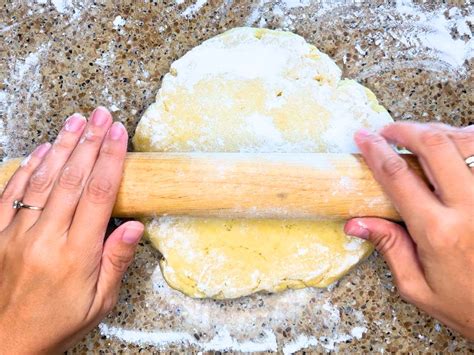
When it’s time to roll out your dough, work on a lightly floured surface. Roll from the center outwards, rotating the dough frequently to prevent sticking and to maintain an even thickness. Avoid stretching the dough, as this can cause it to shrink during baking. If the dough starts to stick or become too warm, pop it back into the fridge for 10-15 minutes.
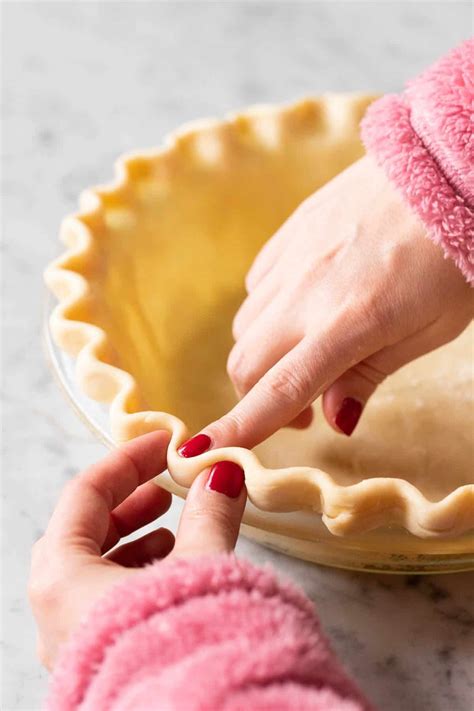
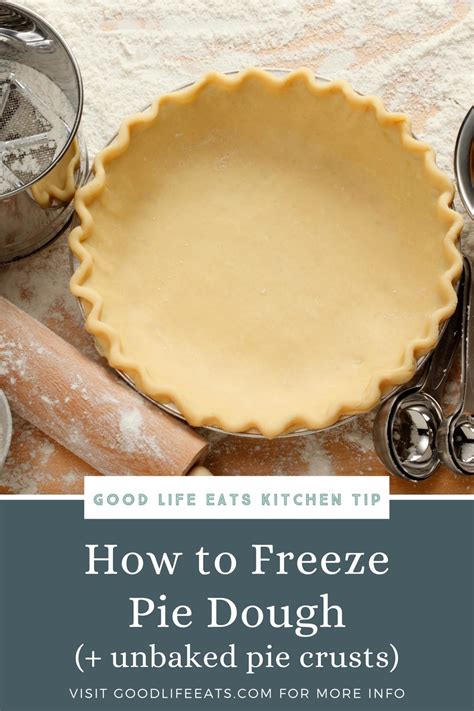
Once rolled to your desired thickness and size, carefully transfer the dough to your pie plate. Trim and crimp the edges as desired. If you’re blind baking, make sure to prick the bottom with a fork and weigh it down with pie weights or dried beans to prevent puffing. This extra step helps achieve a crisp, flaky bottom crust, especially for custard or fruit pies.

Conclusion: Patience is a Virtue
Making a perfectly flaky pie crust requires a bit of patience and attention to detail, but the results are incredibly rewarding. By focusing on cold butter, minimal handling, and proper chilling, you’ll consistently achieve that golden, tender, and impossibly flaky crust that elevates any pie from good to extraordinary. Happy baking!