Tips for achieving a perfect set on homemade berry jam without added pectin?

Embracing the Traditional Art of Pectin-Free Jam Making
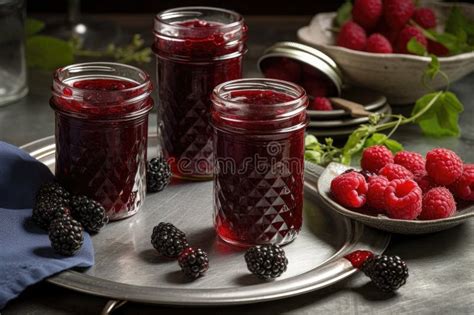
There’s a special satisfaction in crafting a batch of homemade berry jam that sets beautifully without relying on added pectin. This traditional method allows the natural flavors of the fruit to shine, creating a truly authentic taste. While it might seem a bit daunting, achieving that perfect wobbly set is entirely within reach with a few key techniques and a good understanding of the science behind it.
The secret lies in leveraging the natural pectin present in fruits, balancing acidity, and mastering the cooking process. Forget about store-bought setting agents; let’s dive into how you can make your berry jam a delightful success.
1. Choose the Right Berries (and Ripeness!)
Not all berries are created equal when it comes to natural pectin content. Some fruits are naturally higher in pectin, making them ideal candidates for pectin-free jam. Blackcurrants, cranberries, and some varieties of sour cherries are excellent. Strawberries, raspberries, and blueberries are generally lower in pectin, but don’t despair – you can still make fantastic jam with them!
- Mix and Match: Combine lower-pectin berries with higher-pectin fruits (like a few tart apples, plums, or even some lemon peel) to boost the natural pectin.
- Slightly Underripe is Key: Fruit contains the most pectin when it’s slightly underripe. As berries fully ripen, their pectin breaks down. So, when picking or buying, look for firm, vibrant berries that aren’t overly soft or mushy.
2. The Essential Role of Acidity
Pectin needs acid to set properly. Without sufficient acidity, even high-pectin fruits might struggle to gel. Most berries are naturally acidic, but often, a little extra boost makes all the difference.
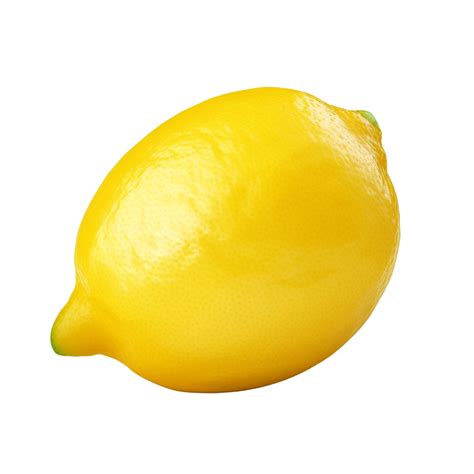
- Lemon Juice: This is your best friend. A tablespoon or two of freshly squeezed lemon juice per pound of fruit can significantly aid in activating the pectin. Don’t worry, it rarely makes the jam taste overly lemony; instead, it brightens the fruit flavors.
- Tart Apples/Green Plums: If you’re using a lower-acid berry, you can also grate in a green apple or a few tart plums for their pectin and acidity.
3. The Sugar-Pectin Partnership
Sugar isn’t just for sweetness; it plays a critical role in jam setting. It draws water out of the fruit, allowing the pectin strands to link together and form a gel. Too little sugar, and your jam might not set. Too much, and it could become overly stiff or cloyingly sweet.
- Ratio Matters: A common starting point is a 1:1 ratio of sugar to fruit by weight. For lower-pectin fruits, you might slightly reduce the sugar to allow more water evaporation, or for higher-pectin, you can sometimes go a bit less than 1:1. Experimentation is key!
- Dissolve Slowly: Always add sugar to the fruit once it has softened and released its juices. Stir until the sugar is completely dissolved before bringing the mixture to a rolling boil. Undissolved sugar can lead to crystallization.
4. Master the Boiling Technique
Proper cooking is paramount for activating pectin and evaporating enough water to concentrate the jam.
- Wide, Heavy-Bottomed Pot: Use a wide, shallow pot (like a preserving pan or a Dutch oven) to allow for maximum surface area. This promotes faster evaporation and reduces cooking time, preserving the fresh fruit flavor and color. A heavy bottom prevents scorching.
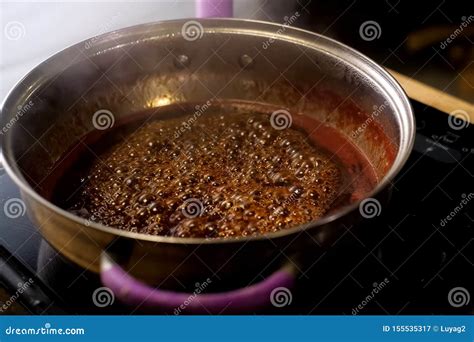
- Fast and Furious Boil: Once the sugar is dissolved, crank up the heat and bring the jam to a rapid, rolling boil. This quick, intense heat helps to extract and activate the pectin.
- Don’t Overcook: Overcooking can destroy pectin, leading to a runny jam. Cook only until it reaches the setting point.
5. Testing for the Set: The Crucial Steps
Knowing when your jam is done is the make-or-break moment. There are several reliable methods:
- The Cold Plate Test (Wrinkle Test): Place 2-3 small ceramic plates in the freezer before you start cooking. When you think the jam is ready, dollop a teaspoonful onto a cold plate. Return it to the freezer for 1-2 minutes. Push the jam with your finger; if it wrinkles, it’s set. If it’s still runny, cook for a few more minutes and retest.
- The Temperature Test: Use a candy thermometer. Jam typically sets between 104-105°C (220-221°F) at sea level. Remember to adjust for altitude.
- The Sheeting Test: Dip a cold metal spoon into the jam, lift it, and hold it horizontally over the pot. Let the jam drip off. If it drips off in separate drops, it’s not ready. If two drops merge and ‘sheet’ off the spoon in a single, thick stream, it’s ready.

Troubleshooting and Final Tips
- If it doesn’t set: Don’t panic! You can always re-boil it with a bit more lemon juice, or add a small amount of liquid pectin (if you decide to yield to convenience) and retest. Alternatively, embrace it as a delicious berry sauce!
- Skim the Foam: As the jam cooks, foam will rise to the surface. Skim it off with a spoon for a clearer, more attractive jam.
- Sterilize Jars: Always sterilize your jars and lids to ensure shelf stability and prevent spoilage.
- Rest Before Jarring: After removing from heat, let the jam rest in the pot for 5-10 minutes. This helps distribute the fruit evenly and prevents it from floating to the top of the jar.
Achieving a perfect set on homemade berry jam without added pectin is a rewarding culinary journey. By paying attention to your fruit, balancing acidity and sugar, and mastering the cooking process, you’ll soon be enjoying beautifully set, naturally delicious preserves. Happy jamming!