

Tips for adapting any homemade recipe to use seasonal garden vegetables?

Embracing the Garden’s Bounty: Why Seasonal Veggies Shine
There’s an undeniable magic in cooking with vegetables picked fresh from your garden or local market. Seasonal produce boasts superior flavor, texture, and nutritional value compared to its out-of-season counterparts. Adapting your favorite homemade recipes to incorporate this fresh bounty not only elevates your cooking but also connects you more deeply with the rhythm of nature. It’s a sustainable, delicious, and incredibly rewarding way to eat.

Understanding Your Seasonal Harvest
Before you dive into adaptation, take stock of what you have. Different seasons bring different types of vegetables, each with unique characteristics:
- Spring: Tender greens (spinach, lettuce, arugula), peas, asparagus, radishes, young carrots. These are often delicate and best suited for quick cooking or raw preparations.
- Summer: Tomatoes, zucchini, cucumbers, bell peppers, corn, green beans, eggplant. These are often juicy, flavorful, and versatile, handling various cooking methods well.
- Fall: Root vegetables (potatoes, sweet potatoes, parsnips), squash (butternut, acorn), pumpkins, broccoli, cauliflower, Brussels sprouts. These are heartier and stand up to longer cooking times.
Consider the vegetable’s natural flavor profile (sweet, bitter, earthy), its texture (crunchy, soft, starchy), and how it typically behaves when cooked.
Key Strategies for Recipe Adaptation
1. The Art of Substitution
The simplest way to adapt is by direct substitution. Think about the role the original vegetable played in the dish. Was it for bulk, flavor, or texture? Try swapping like for like:
- Similar Texture: Swap spinach for kale (but cook kale longer), bell peppers for zucchini (adjust moisture), potatoes for sweet potatoes.
- Similar Flavor Profile: If a recipe calls for carrots, but you have parsnips, they can often be interchanged, especially in roasts or stews. Mild greens can often replace each other.
Don’t be afraid to combine a few different seasonal vegetables to achieve a desired volume or flavor complexity.

2. Adjusting Cooking Methods and Times
Not all vegetables cook the same way. A tender summer squash will cook much faster than a dense winter root vegetable. Be prepared to adjust cooking methods and times:
- Hardy Vegetables (Roots, Squash): Often benefit from roasting, braising, or longer simmering times in soups and stews. They can be added earlier in the cooking process.
- Tender Vegetables (Leafy Greens, Zucchini, Tomatoes): Are best added towards the end of cooking to prevent them from becoming mushy. Sautéing, quick steaming, or grilling works well.
Blanching tougher greens like kale or collards before adding them to a dish can also help them integrate better.
3. Balancing Flavors and Moisture
New vegetables can introduce different levels of moisture and flavor. For example, zucchini releases a lot of water when cooked, which might thin out a sauce. Consider:
- Moisture Control: If using watery vegetables like zucchini or tomatoes, you might need to cook them down separately a bit first or adjust the liquid content of your recipe. Salting and draining zucchini before adding it can also help.
- Flavor Harmony: Think about how the new vegetable’s flavor will interact with the existing ingredients. If you’re adding bitter greens, a touch of sweetness or acidity (lemon juice, vinegar) can balance the profile. Earthy root vegetables pair well with herbs like rosemary or thyme.
![[1800+] Colorful Pictures | Wallpapers.com](/images/aHR0cHM6Ly90czEubW0uYmluZy5uZXQvdGg/aWQ9T0lQLkdqYzdkcmV5aGQ4NVBWdzJPZDR1RlFIYUZqJnBpZD0xNS4x.webp)
Recipe-Specific Adaptations
Soups, Stews, and Chili
These are perhaps the easiest recipes to adapt. Simply swap out non-seasonal vegetables for whatever you have. Root vegetables and winter squash are excellent in hearty stews, while summer vegetables can shine in lighter broths. Add greens like spinach or kale in the last few minutes of cooking.
Stir-Fries and Casseroles
Stir-fries are incredibly forgiving. Use any combination of seasonal vegetables, cutting them to similar sizes for even cooking. For casseroles, hardy vegetables can be par-cooked before baking, while softer ones can be added raw and will cook through in the oven.
Salads and Sides
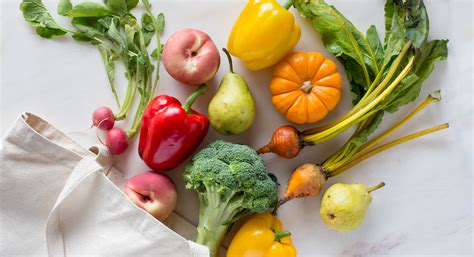
This is where fresh, raw seasonal vegetables truly shine. Elevate a simple green salad with heirloom tomatoes, crisp cucumbers, or thinly sliced radishes. Roasted seasonal vegetables make fantastic, flavorful side dishes for almost any meal. Think roasted asparagus in spring, grilled corn in summer, or roasted Brussels sprouts in fall.
Baking (Yes, Really!)
Don’t limit yourself to savory dishes. Zucchini bread, carrot cake, pumpkin pie, and even sweet potato muffins are classic examples of using seasonal vegetables in baking. Be mindful of moisture content when substituting.

Tips for Success and Enjoyment
- Taste as You Go: This is your best guide. Adjust seasonings and cooking times based on what your palate tells you.
- Embrace Imperfection: Not every adaptation will be perfect, and that’s part of the fun. Learn from your experiments.
- Prep Smart: Prepare your vegetables according to their density and cooking needs. Harder vegetables might need smaller cuts or a head start.
- Don’t Overcook: Especially with tender seasonal vegetables, aim for al dente to preserve their texture and nutrients.
- Season Generously: Fresh vegetables love good seasoning. Herbs, spices, salt, and pepper can bring out their best flavors.
Conclusion
Adapting homemade recipes to incorporate seasonal garden vegetables is a journey of culinary discovery. It encourages creativity, reduces food waste, and connects you more closely to the origins of your food. By understanding your produce and applying a few simple strategies, you can transform everyday meals into vibrant, flavorful experiences that celebrate the best each season has to offer. So, head to your garden or local market, embrace the bounty, and let your culinary imagination flourish!