


Tips for adapting homemade recipes with seasonal garden produce?
There’s an unparalleled joy in cooking with ingredients harvested fresh from your garden. The vibrant colors, intense flavors, and connection to your food are incredibly rewarding. However, adapting tried-and-true homemade recipes to accommodate your seasonal bounty can sometimes feel like a puzzle. Fear not! With a few simple strategies, you can transform your kitchen into a hub of delicious, garden-inspired creativity.
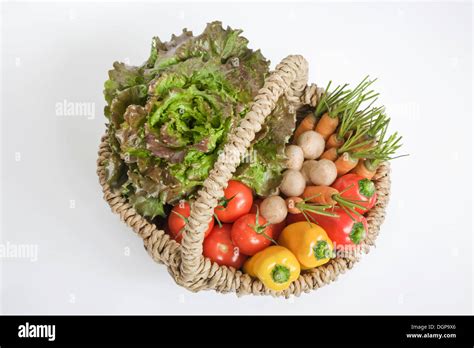
Understand Your Produce’s Personality
Before you even think about swapping, take a moment to understand the characteristics of your garden produce. Is it watery like zucchini or cucumber? Starchy like potatoes or squash? Does it have a strong flavor like kale or arugula, or is it milder like spinach or lettuce? Knowing these traits will guide your adaptation process.
- Water Content: High-water veggies can thin sauces or make baked goods soggy. Consider pre-salting and draining (like eggplant or zucchini) or reducing other liquids in the recipe.
- Flavor Profile: Match bold flavors with other bold flavors, or use them as a highlight. Mild vegetables are more versatile and can be added in larger quantities without overpowering a dish.
- Texture: Think about how the texture will change when cooked. A crisp radish will soften, while a sturdy carrot will retain some bite.
Smart Substitution Strategies
Adapting isn’t just about adding; it’s about smart swapping. Look at your existing recipe and identify ingredients that can be replaced or complemented by your garden harvest.
1. Direct Swaps for Similar Items
This is the easiest method. If a recipe calls for spinach, and you have Swiss chard or kale, they can often be swapped in equal measure, perhaps with a slight adjustment in cooking time (kale takes longer to soften than spinach).
- Leafy Greens: Spinach ↔ Kale, Chard, Arugula, Beet Greens
- Root Vegetables: Carrots ↔ Parsnips, Daikon Radish; Potatoes ↔ Sweet Potatoes, Rutabaga
- Squash: Zucchini ↔ Yellow Squash, Pattypan Squash
2. Adding to Existing Recipes
Many recipes, especially casseroles, soups, stews, pasta dishes, and stir-fries, are incredibly forgiving and welcome extra vegetables. Just be mindful of overcrowding your pan or pot.
- Soups and Stews: Almost any garden vegetable can be simmered into a hearty soup. Add onions, carrots, celery, potatoes, green beans, or tomatoes.
- Pasta Sauces: Dice zucchini, bell peppers, eggplant, or mushrooms and sauté them into your marinara or Alfredo sauce.
- Baked Goods: Grated zucchini or carrots can add moisture and nutrients to muffins, breads, and cakes.

Adjusting Ratios and Cooking Times
When you introduce new ingredients, especially those with different moisture levels or densities, you might need to tweak the recipe’s core instructions.
- Liquid Adjustments: If adding high-water content vegetables to a sauce, you might need to simmer longer to reduce, or reduce other liquids in the recipe. For baked goods, sometimes a slight increase in flour can compensate for extra moisture.
- Cooking Time: Dense vegetables like potatoes or winter squash will need longer cooking times than tender greens or summer squash. Add them earlier in the cooking process. Conversely, delicate greens should be added towards the end to prevent them from becoming mushy.
- Seasoning: Fresh produce often has a more intense flavor. Taste as you go and adjust salt, pepper, and herbs accordingly. You might need less seasoning than with store-bought equivalents.
Embrace Culinary Experimentation
The beauty of cooking with garden produce is the inherent invitation to experiment. Don’t be afraid to veer off script slightly. Use your senses—smell, taste, and sight—to guide your decisions.
- Think Outside the Box: Beyond main dishes, consider how your produce can elevate sides, salads, pestos, relishes, or even unique desserts (like zucchini bread or tomato jam).
- Small Batches: If you’re unsure about a major adaptation, try making a smaller batch of the recipe first to test the waters.
- Keep Notes: When you hit on a fantastic adaptation, jot down your changes! This will build your personal repertoire of garden-friendly recipes.

Conclusion
Adapting homemade recipes with your seasonal garden produce is a rewarding journey that deepens your connection to food and enriches your culinary skills. By understanding your ingredients, employing smart substitution techniques, and embracing a spirit of experimentation, you’ll discover endless delicious possibilities. So, head into your garden, gather your harvest, and let your creativity flourish in the kitchen!