



Tips for adapting old family recipes into real food, wholesome meals?

Many of us cherish our family recipes, passed down through generations. They evoke memories, comfort, and tradition. However, some of these beloved dishes, while delicious, might not align with modern understandings of “real food” and wholesome eating. The good news is that with a few thoughtful adjustments, you can transform these culinary heirlooms into nutritious meals without sacrificing their authentic charm.

Understanding the “Real Food” Philosophy
Before we dive into specific tips, let’s define what “real food” means in this context. It generally refers to whole, unprocessed ingredients – fruits, vegetables, lean proteins, whole grains, healthy fats – free from artificial additives, excessive sugar, and refined components. The goal isn’t to make your grandmother’s pie into a kale smoothie, but to make it better without losing its essence.
Swapping Refined Grains for Wholesome Alternatives
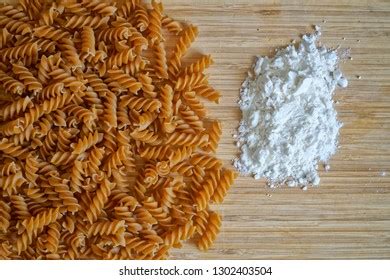
Many classic recipes rely heavily on white flour, white rice, and other refined grains. These can be easily upgraded:
- For baking: Experiment with whole wheat flour (start with a 50/50 ratio with white flour), almond flour, oat flour, or spelt flour.
- For pasta dishes: Opt for whole wheat pasta, lentil pasta, or zucchini noodles.
- For rice dishes: Substitute brown rice, quinoa, farro, or even cauliflower rice.
Rethinking Fats and Oils
Old recipes often call for butter, shortening, or vegetable oils that might be high in saturated or unhealthy trans fats. Consider these healthier swaps:
- Replace hydrogenated oils or shortening with butter (in moderation), olive oil, avocado oil, or coconut oil (for specific flavors).
- Reduce the overall amount of fat where possible without compromising texture or flavor, especially in dressings or sautéing.
Reducing Sugar and Boosting Natural Sweetness
Sugar content can be surprisingly high in many traditional desserts and even savory dishes. Here’s how to manage it:
- Gradually reduce the amount of sugar called for; often, you can cut it by 25-50% without a noticeable negative impact.
- Use natural sweeteners like maple syrup, honey, dates, or applesauce in moderation.
- Enhance natural sweetness with spices like cinnamon, nutmeg, and vanilla, or by caramelizing vegetables like onions or carrots.

Boosting Nutrient Density with Vegetables and Legumes
This is often the easiest and most impactful change to make your meals more wholesome:
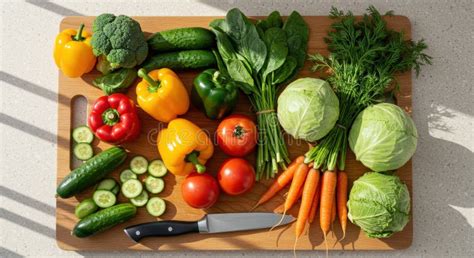
- Soups and stews: Add extra servings of carrots, celery, onions, spinach, kale, or lentils.
- Casseroles: Sneak in grated zucchini, mushrooms, bell peppers, or cauliflower rice.
- Meat dishes: Cut down on meat slightly and supplement with beans, lentils, or more vegetables.
- Pasta sauces: Blend in pureed vegetables like butternut squash or carrots for extra nutrients and creaminess.
Focusing on Whole, Unprocessed Ingredients
Ditch canned cream soups, processed cheese products, and pre-packaged seasoning mixes:
- Make your own broths and sauces from scratch.
- Use fresh herbs and spices instead of mixes with additives.
- Choose grass-fed meats, pastured poultry, and wild-caught fish when possible.
- Opt for whole dairy products over highly processed alternatives if dairy is part of the recipe.
Adjusting Cooking Methods
The way food is cooked can also impact its health profile:
- Deep-frying can often be replaced with baking, air-frying, or pan-frying with less healthy oil.
- Slow cooking or braising can tenderize meats and meld flavors beautifully with minimal added fat.
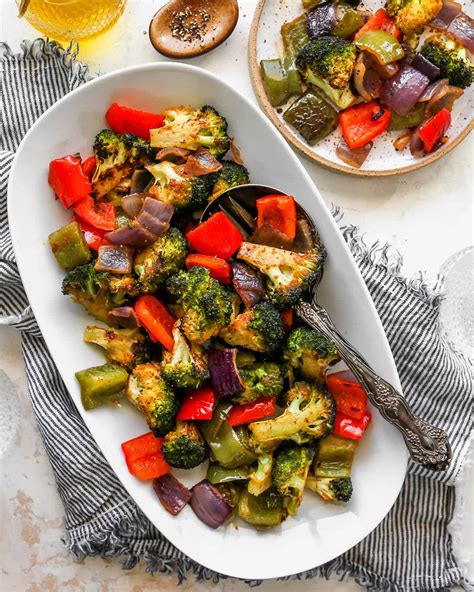
- Steaming or roasting vegetables preserves more nutrients than boiling.
Taste, Test, and Tweak
Adapting recipes is an iterative process. Start with small changes, taste as you go, and adjust to your family’s preferences. The goal is to evolve the recipe, not revolutionize it beyond recognition. Involve your family in the process, sharing the story of the original recipe and the healthy twists you’re adding.
By embracing these simple strategies, you can honor your family’s culinary heritage while ensuring that the meals you serve are nourishing and align with a “real food” lifestyle. Your family’s beloved recipes can continue to bring joy and comfort for generations to come, now with an added layer of wholesome goodness.