Tips for adapting old family recipes with vague measurements for modern use?
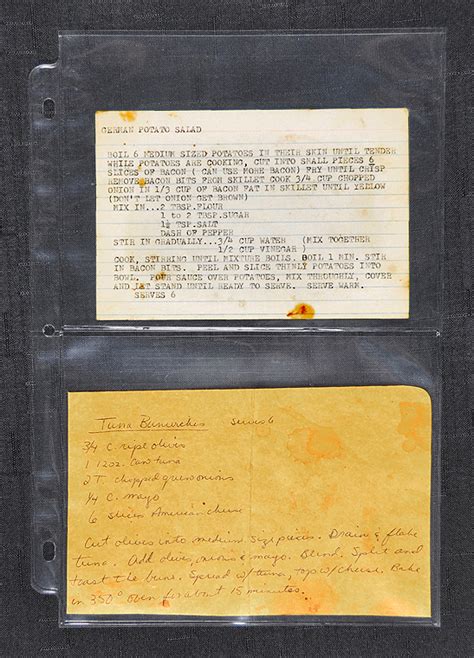
Many of us cherish old family recipes, handwritten on yellowed cards or passed down through generations. They evoke warmth, nostalgia, and a taste of home. However, translating these culinary treasures into modern, reproducible dishes can be a delightful challenge, especially when faced with instructions like “a pinch of this” or “flour until it feels right.” This article will guide you through the process of demystifying and adapting these cherished recipes for today’s kitchen, ensuring their legacy lives on with delicious results.
Deciphering the Culinary Codes of Yesteryear
Old recipes often reflect a time when cooking was more intuitive, reliant on experience and a cook’s understanding of ingredients rather than precise measurements. Cooks learned by doing, passing down techniques through observation rather than written exactitudes. A “teacup” might vary wildly, a “knob of butter” was open to interpretation, and “cook until done” left much to the imagination. The first step in adaptation is to embrace this historical context, understanding that the original cook likely wasn’t using measuring spoons but rather their senses and accumulated wisdom.
Begin by meticulously reading through the entire recipe. Look for clues, even subtle ones. Do similar recipes from the same era offer more specific measurements? Can you infer ingredient ratios from the order of steps or the expected outcome? Sometimes, a “pinch” might simply be what fits between thumb and forefinger, while a “dash” is a quick pour.

Starting with Small Batches and Sensory Clues
When you’re dealing with vague measurements, it’s often best to start with a smaller batch than the recipe originally called for, if possible. This minimizes waste during experimentation. Begin by estimating the ambiguous measurements conservatively. For instance, if it calls for “some flour,” start with a small amount and gradually add more.
Your senses are your most valuable tools. Pay close attention to the texture, aroma, and appearance at each stage. Is the dough too sticky or too dry? Does the sauce have the right consistency? Taste frequently, especially for seasonings. A “good handful of salt” can be tricky; add a little, taste, and adjust.
Modernizing Ingredients and Techniques
Some ingredients used in older recipes may be harder to find today, or modern versions might have different properties. For example, flours are milled differently, and some fats are less common. Research suitable substitutions. If the recipe calls for “lard,” consider whether modern shortening, butter, or even a healthier oil might be a good alternative, adjusting quantities if necessary due to varying fat content.
Cooking techniques have also evolved. Old recipes might call for cooking on a “slow fire” or “moderate oven.” Today, we have precise oven temperatures. Research historical cooking temperatures to approximate the correct modern setting. Pressure cookers, slow cookers, and stand mixers can also be adapted to streamline older methods, but be mindful of how they might alter texture or cooking times.
Documenting Your Culinary Journey
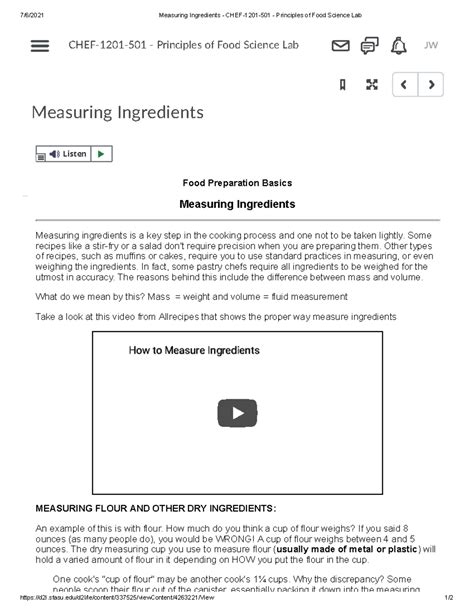
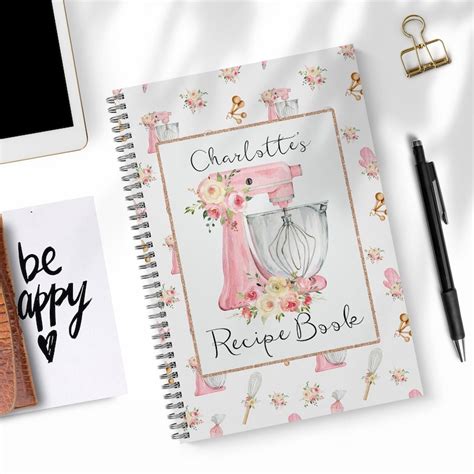
The most crucial step in adapting old recipes is meticulous documentation. As you experiment, write down every change you make and its effect. Use standard modern measurements: cups, tablespoons, grams. Note the exact quantities of “a pinch” or “a dash” that worked for you. Document cooking times, temperatures, and any substitutions.
Create your own “modernized” version of the recipe. This new document will be your legacy, preserving the essence of the original while making it accessible and reproducible for future generations. Don’t be afraid to add your own notes, tips, and personal touches to the recipe.
Embrace Experimentation and Trust Your Gut
Adapting old recipes is as much an art as it is a science. Don’t be afraid to experiment and trust your culinary instincts. Some batches might not turn out perfectly, and that’s part of the learning process. Each attempt brings you closer to understanding the nuances of the original and how to best translate it.
Remember that the goal isn’t necessarily to replicate the recipe exactly as it was made 100 years ago, but to capture its spirit, flavor profile, and perhaps even improve upon its consistency or ease of preparation. The joy is in the journey of discovery and the satisfaction of bringing a piece of family history to life in your kitchen.
Adapting old family recipes with vague measurements is a rewarding endeavor that connects us to our past. By approaching them with patience, keen observation, and a willingness to experiment, you can transform these culinary mysteries into delicious, reproducible dishes that will be cherished for generations to come. So, pull out those old recipe cards, channel your inner culinary detective, and start cooking up some history!