Tips for building a sturdy compost bin from pallet wood?
Why Choose Pallets for Your Compost Bin?
Building your own compost bin from pallet wood is an incredibly rewarding DIY project that combines sustainability with practicality. Pallets are often free or very inexpensive, making this an eco-friendly and budget-conscious choice for aspiring composters. Not only does it divert waste from landfills, but it also provides a robust structure capable of holding significant amounts of organic material, transforming kitchen scraps and garden waste into nutrient-rich soil amendment.
The open structure of pallets naturally allows for good airflow, which is crucial for aerobic decomposition and preventing foul odors. However, simply leaning four pallets together won’t create a truly sturdy or long-lasting bin. This guide will walk you through the essential tips to ensure your pallet compost bin stands strong for years to come.
Selecting the Right Pallets
The foundation of a sturdy bin starts with selecting appropriate pallets. Look for pallets marked with an ‘HT’ stamp, indicating they have been heat-treated rather than chemically treated (MB for Methyl Bromide should be avoided). Opt for pallets in good condition, free from significant rot, mold, or structural damage. Hardwood pallets (often denser and heavier) tend to be more durable, but any structurally sound, clean pallet will work.
Essential Tools and Materials
Before you begin, gather your tools and materials. You’ll need:
- 4-6 sturdy wooden pallets (depending on your design)
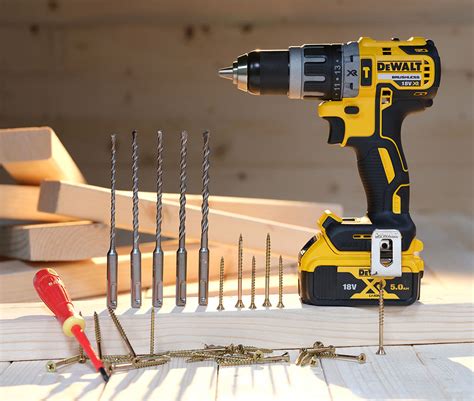
- Cordless drill with various bits
- Exterior-grade screws (e.g., deck screws, 2.5-3 inches long) or carriage bolts with washers and nuts
- Heavy-duty L-brackets or corner braces (optional, but highly recommended for sturdiness)
- Saw (hand saw, circular saw, or jigsaw for cutting pallets if needed)
- Tape measure and pencil
- Work gloves and safety glasses
- Post-hole digger or spade (if anchoring posts)
- Rebar or metal fence posts (for added stability)
Designing for Durability and Efficiency
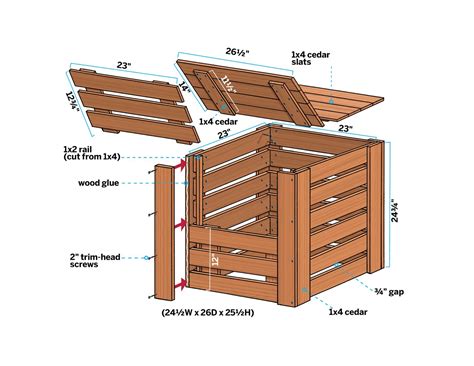
Consider whether you want a single-bay, two-bay, or three-bay system. A multi-bay system allows for continuous composting, with one bay for active composting, one for curing, and one for new additions. For maximum sturdiness, a square or rectangular footprint is best. Ensure your chosen location is level and well-drained. While pallets offer natural gaps, you might want to add a layer of hardware cloth or chicken wire on the inside walls to prevent material from falling out, especially for finer compost components.
Step-by-Step Assembly Guide
- Prepare the Base: If building on soft ground, consider laying down a base of gravel or bricks to improve drainage and prevent wood rot from direct ground contact. For ultimate stability, especially in windy areas, you can sink four corner posts (rebar or treated lumber) into the ground and attach your pallets to these posts.
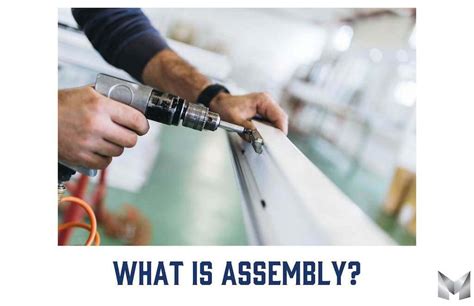
- Assemble the Sides: Stand two pallets upright to form a corner. Align their edges and pre-drill holes before screwing them together securely. Use at least 4-6 screws per joint. For superior strength, use carriage bolts (drilling through both pallets) and tighten them with washers and nuts. This mechanical fastening offers much greater resistance to movement than screws alone.
- Add Corner Bracing: Once the initial two pallets are joined, reinforce the corner with heavy-duty L-brackets on both the top and bottom inside edges. Repeat this process for all corners, creating a robust box structure.
- Reinforce with Crossbeams (Optional but Recommended): For very large bins or if you want extra rigidity, you can cut pallet wood slats to fit horizontally across the top edges of the bin walls and screw them into place. This acts as a ‘top plate,’ tying all the walls together and preventing bowing.
- Create a Removable Front: A removable front panel makes turning and accessing compost much easier. Instead of permanently fixing the fourth pallet, consider using hinges on one side and a latch on the other, or simply slide it into place between two fixed posts. Alternatively, you can create a ‘drop-down’ front by attaching two or three pallet slats horizontally, sliding them into channels made from smaller wooden strips attached vertically to the side pallets.
Maintenance and Maximizing Efficiency
Once your bin is built, consider treating the exterior wood with a non-toxic, eco-friendly wood preservative or sealant to extend its life, especially if it’s exposed to harsh weather. Ensure the bin is filled correctly, balancing ‘greens’ (nitrogen-rich materials like food scraps) and ‘browns’ (carbon-rich materials like leaves and wood chips) and kept moist but not waterlogged. Regular turning of the compost will aerate it and speed up decomposition, putting the sturdy construction of your bin to good use.

Conclusion
Building a sturdy compost bin from pallet wood is an achievable and rewarding project for any DIY enthusiast. By carefully selecting your materials, using appropriate fasteners, and reinforcing your structure, you’ll create a durable composting solution that not only benefits your garden but also contributes to a more sustainable lifestyle. Enjoy turning your waste into garden gold!