

Tips for building nutrient-rich compost from kitchen scraps & yard waste?
Unlock Your Garden’s Potential with Homemade Compost
Composting is a fantastic way to transform everyday kitchen scraps and yard waste into a rich, dark, nutrient-dense amendment for your garden soil. Not only does it divert waste from landfills, but it also provides a sustainable source of organic matter that improves soil structure, water retention, and supplies essential nutrients for thriving plants. Creating your own ‘black gold’ is simpler than you might think, and with a few key tips, you can build a productive compost pile that enriches your home and garden.
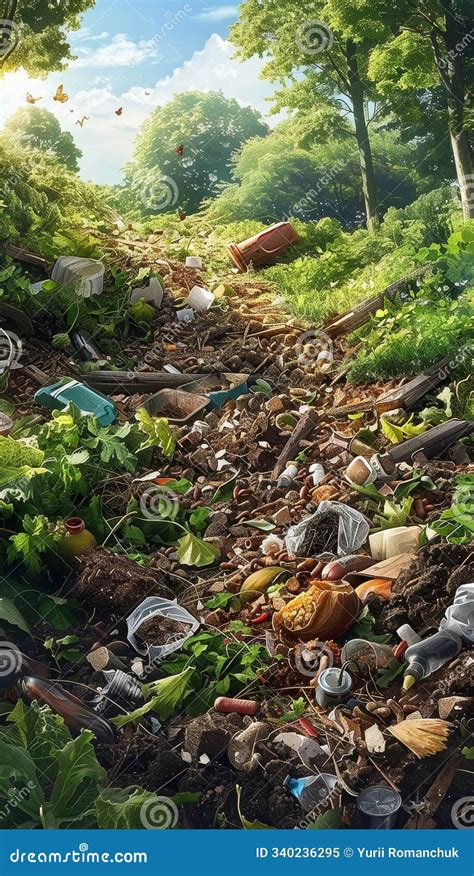
Understanding the Essentials: Browns and Greens
The secret to nutrient-rich compost lies in maintaining the right balance between ‘browns’ (carbon-rich materials) and ‘greens’ (nitrogen-rich materials). Without this balance, your compost pile might either be too slow to break down or become a smelly, slimy mess.
- Greens: These are your nitrogen sources. Think fresh grass clippings, fruit and vegetable scraps, coffee grounds, tea bags, and fresh plant trimmings. They provide the protein for the microorganisms that do the decomposition work.
- Browns: These are your carbon sources. Examples include dry leaves, wood chips, shredded newspaper, cardboard (unwaxed), straw, and dead plant matter. Browns provide energy for the microbes and help create air pockets, preventing compaction and odors.
Aim for a ratio of roughly 2-3 parts browns to 1 part greens. Don’t stress too much about exact measurements; a good visual mix usually works well.
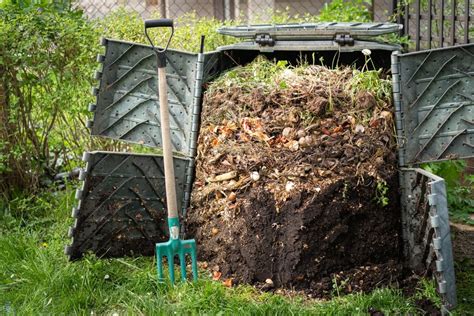
What to Include and What to Avoid
Ideal Composting Materials:
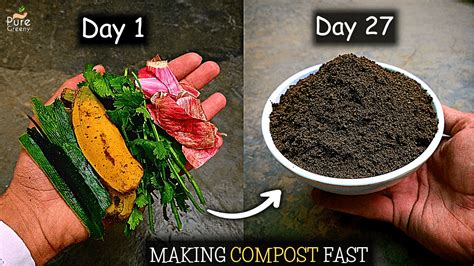
- Kitchen Scraps: Fruit and vegetable peels, cores, seeds, coffee grounds, tea bags, eggshells.
- Yard Waste: Grass clippings, dry leaves, small twigs, shredded branches, spent plants, garden weeds (before they go to seed).
- Other: Shredded newspaper, cardboard, wood ash (in moderation), hair, cotton rags (shredded).
Materials to Avoid:
- Meat, Dairy, and Oily Foods: These can attract pests (rodents, flies) and produce foul odors.
- Diseased Plants: Pathogens might survive the composting process and reinfect your garden.
- Weeds with Seeds: Seeds can survive and sprout in your garden when you spread the compost.
- Pet Waste: Contains pathogens harmful to humans.
- Chemically Treated Wood or Plants: Pesticides or preservatives can contaminate your compost.
Setting Up Your Compost System
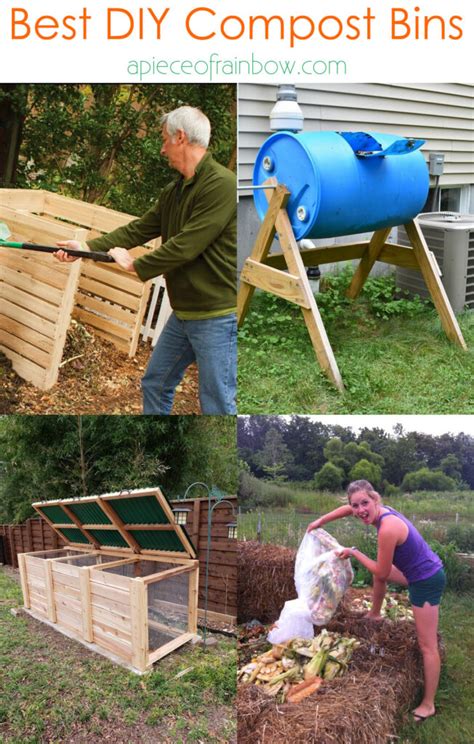
Whether you choose a simple open pile, a DIY bin, or a store-bought composter, location and structure are key. Choose a shaded, well-drained spot in your yard that’s accessible for adding materials and turning the pile. Ensure it’s not too close to your house or sensitive areas.
For a basic pile, start by laying down a layer of coarse browns (twigs, straw) to ensure good airflow. Then, alternate layers of greens and browns, chopping larger materials into smaller pieces to speed up decomposition. Keep the pile moist, like a wrung-out sponge, but not waterlogged.
Maintaining Your Compost Pile for Optimal Results
Active management will lead to faster, higher-quality compost:
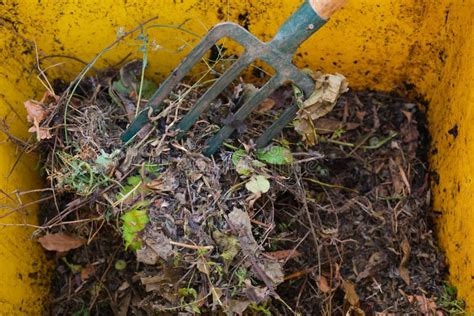
- Turning: Periodically turning your compost pile (every 1-2 weeks) aerates the mixture, preventing anaerobic conditions (which cause odors) and speeding up decomposition. Use a pitchfork or compost aerator to mix the outer, cooler layers into the center.
- Moisture: Monitor the moisture level. If it’s too dry, decomposition slows down. Add water as needed, especially during dry spells or after adding a lot of dry browns. If it’s too wet, add more browns to absorb excess moisture.
- Temperature: A healthy, active compost pile will heat up in the center (sometimes reaching 130-160°F or 55-70°C), which helps break down materials and kill weed seeds and pathogens. Turning helps distribute this heat.
Harvesting and Using Your Nutrient-Rich Compost
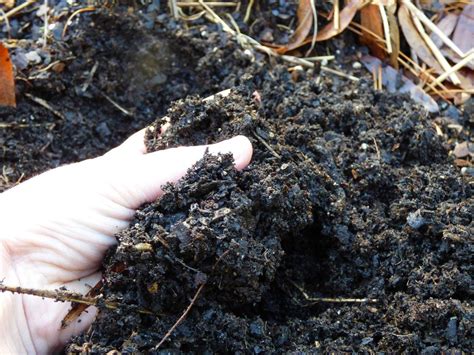
You’ll know your compost is ready when it’s dark brown or black, crumbly, and smells earthy and sweet. Most of the original materials should be unrecognizable. This process can take anywhere from a few months to a year, depending on the materials, maintenance, and climate.
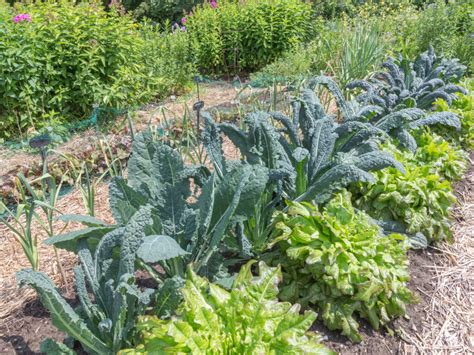
- Garden Beds: Mix finished compost into your garden beds before planting to improve soil structure and fertility.
- Top Dressing: Spread a layer of compost around established plants to provide a slow-release nutrient boost.
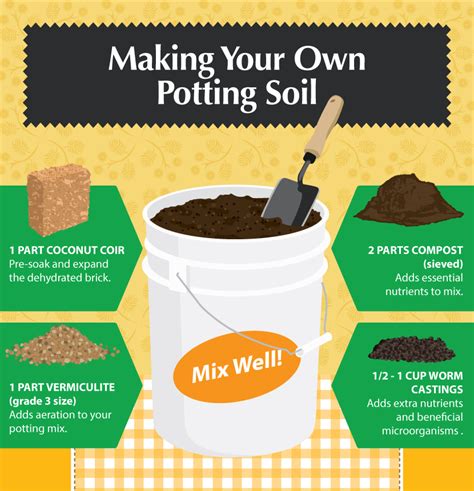
- Potting Mix: Incorporate compost into your homemade potting mixes for container plants.
- New Lawns: Spread a thin layer over newly seeded or established lawns for healthier turf.
By consistently feeding your compost pile with kitchen scraps and yard waste, you’re not just reducing waste; you’re actively participating in a cycle that returns vital nutrients to the soil, fostering a healthier, more vibrant garden year after year. Happy composting!