


Tips for cooking with abundant seasonal squash from the garden?

The bounty of a garden’s squash harvest can be both a joy and a challenge. When your counters are overflowing with zucchini, yellow squash, pumpkins, and butternut, it’s time to get creative in the kitchen to avoid waste and enjoy the fresh flavors all season long.
Embracing the Abundance: Summer vs. Winter Squash
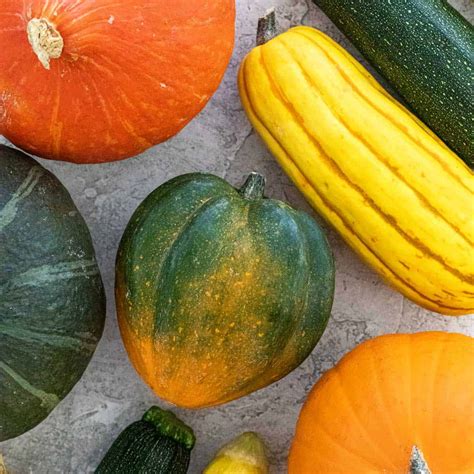
Understanding the fundamental differences between summer and winter squash is the first step to successful cooking. Summer squash varieties, such as zucchini, yellow squash, and pattypan, have tender skins and high water content, cooking quickly. They are best utilized fresh in salads, grilled dishes, sautéed sides, or spiralized as a pasta substitute. Due to their delicate nature, they don’t store well for extended periods.
In contrast, winter squash like butternut, acorn, spaghetti, delicata, and pumpkin possess hard, protective skins and dense, starchy flesh. These varieties are excellent for roasting, baking, pureeing into soups, or stuffing. Their robust nature allows them to be stored for several months in a cool, dark place, making them perfect for enjoying long after the growing season has ended.
Preservation is Key: Extending the Harvest
When the harvest is overwhelming, smart preservation techniques ensure no squash goes to waste. Freezing is a versatile option: for summer squash, grate or slice, blanch briefly, pat dry, and then freeze in freezer bags for future muffins, casseroles, or stir-fries. For winter squash, roasting or steaming the flesh and then pureeing it before freezing in measured portions is ideal for soups, pies, or baby food.
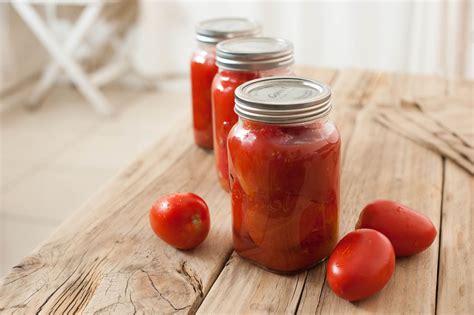
Canning can also extend the life of certain squash, transforming them into delicious relishes, pickles, or even pie fillings. Consider dehydrating thin slices of zucchini or yellow squash for healthy snacks or to rehydrate for soups and stews later. Making and freezing large batches of roasted squash puree is a time-saver for quick, nutritious meals throughout the colder months.
Beyond the Basics: Inventive Squash Recipes
Don’t get stuck in a rut with the same old squash dishes. Here are some inspiring ideas for both summer and winter varieties:
Summer Squash Sensations:
- Zucchini Noodles (Zoodles): A fantastic low-carb alternative to pasta, perfect with pesto, marinara, or a light garlic and olive oil sauce.
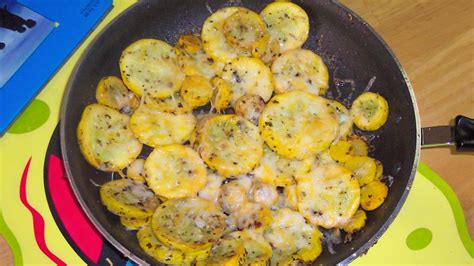
- Grilled Squash Skewers: Cube zucchini and yellow squash, marinate with herbs and olive oil, then grill alongside other vegetables or proteins.
- Baked Goods: Shredded zucchini disappears wonderfully into moist muffins, breads, cakes, and even brownies, adding moisture and nutrients.
- Squash Fritters or Latkes: A savory and crispy way to use up grated summer squash, often served with a dollop of sour cream or Greek yogurt.

Hearty Winter Squash Dishes:
- Roasted Perfection: Cubed butternut, acorn, or delicata squash roasted with herbs (rosemary, sage), olive oil, and a touch of maple syrup or honey for a caramelized finish.
- Creamy Soups: Butternut squash soup is a quintessential fall comfort food, easily made with coconut milk for a dairy-free option.
- Stuffed Squash: Acorn or spaghetti squash halves make excellent edible bowls for savory fillings like grains, ground meat, vegetables, and cheese.
- Curries and Stews: Winter squash adds a beautiful sweetness, creamy texture, and hearty substance to robust curries and warming stews.

Flavor Boosters and Waste Reduction Tips
Elevate your squash dishes with thoughtful seasoning. For roasted squash, a simple sprinkle of salt, black pepper, garlic powder, and paprika can work wonders. Herbs like fresh rosemary, sage, and thyme beautifully complement winter varieties, while basil, dill, and mint enhance summer squash. A drizzle of balsamic glaze, a squeeze of fresh lemon juice, or a sprinkle of toasted nuts can brighten and add complexity to your dishes.
Strive to use as much of the squash as possible. The skins of smaller, tender winter squash like delicata and acorn are often edible when roasted. Don’t discard squash blossoms; they can be stuffed with cheese and fried, or lightly battered and pan-fried for a delicate appetizer. Even the seeds of pumpkins and some other winter squash can be roasted for a crunchy, nutritious snack.
With a little creativity and strategic planning, your garden’s abundant squash harvest can become a culinary delight rather than a daunting task. Embrace the versatility of these humble vegetables, experiment with new recipes, and enjoy the delicious fruits (or rather, vegetables) of your labor all year long.