


Tips for deterring garden pests naturally in a rural setting?

Embracing Nature’s Solutions for Rural Garden Pests
Gardening in a rural setting offers unique joys, but it also often means contending with a wider array of pests, from deer and rabbits to a multitude of insects. While chemical solutions might seem like a quick fix, they can harm beneficial insects, local wildlife, and the overall ecosystem. Fortunately, a holistic, natural approach can effectively deter pests, ensuring a healthy, thriving garden without resorting to harsh chemicals.
Understanding Your Rural Garden Ecosystem
Rural gardens are part of a larger, more active ecosystem. This means you might face pressure from larger mammals like deer, rabbits, and groundhogs, as well as a diverse population of insect pests. The good news is that rural areas also often host a greater number of natural predators and beneficial insects. The key is to work with nature, not against it, by creating an environment that discourages pests and encourages their natural enemies.
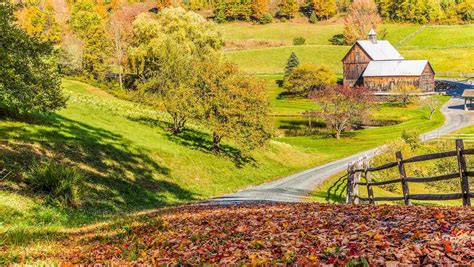
Cultivating a Resilient Garden Through Biodiversity
Companion Planting: Nature’s Bodyguards
One of the oldest and most effective natural pest control methods is companion planting. Certain plants, when grown together, can deter pests or attract beneficial insects. For instance:
- Marigolds: Repel nematodes and other soil-borne pests.
- Nasturtiums: Act as a trap crop for aphids, drawing them away from your desired plants.
- Garlic & Onions: Their strong scent deters a variety of pests, including aphids, slugs, and borers.
- Herbs: Many herbs like basil, rosemary, and mint repel specific pests while attracting pollinators.
Attracting Beneficial Wildlife and Insects
Your rural garden can become a haven for pest predators. Provide habitat, water sources, and pollen/nectar-rich plants to encourage:
- Ladybugs & Lacewings: Voracious eaters of aphids and other soft-bodied insects.
- Parasitic Wasps: Target caterpillars and other pests.
- Birds: Many bird species feed on slugs, snails, and insects. Provide birdbaths and feeders (away from your garden if possible to avoid seed-eating birds damaging crops).
- Frogs & Toads: Excellent at controlling slugs, snails, and various insects. Create moist, shady spots for them.
- Bats: Consume vast numbers of night-flying insects, including moths whose larvae can damage plants.

Physical Barriers and Smart Garden Management
Strategic Fencing and Netting
For larger pests like deer, rabbits, and groundhogs, physical barriers are often the most reliable solution. A sturdy fence (at least 7-8 feet high for deer) or electric fencing can be highly effective. For smaller pests, consider:
- Row Covers: Lightweight fabric covers protect crops from flying insects like cabbage worms, squash bugs, and cucumber beetles.
- Netting: Can protect fruit trees and berries from birds.
- Copper Tape: Can deter slugs and snails when wrapped around raised beds or pots.
Garden Hygiene and Soil Health
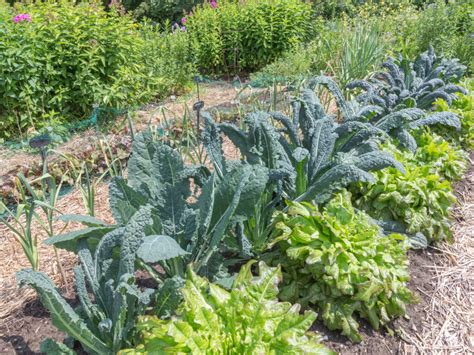
A clean, healthy garden is less appealing to pests. Remove weeds regularly as they can harbor pests and diseases. Promptly dispose of diseased plant material to prevent spread. Proper plant spacing improves air circulation, reducing fungal issues, and makes plants less stressed and more resistant to pests.
Healthy soil grows healthy plants. Enrich your soil with compost and organic matter. Strong, vigorous plants are better equipped to withstand pest attacks. Mulching also helps suppress weeds and maintains soil moisture, further reducing plant stress.

Natural Repellents and Early Intervention
Homemade Sprays and Deterrents
While prevention is key, sometimes a little direct intervention is needed. Consider these natural options:
- Garlic/Chili Spray: A strong-smelling deterrent for many insects.
- Neem Oil: An organic insecticide that disrupts insect feeding and reproduction (use sparingly and according to instructions, avoiding beneficials).
- Insecticidal Soap: Effective against soft-bodied insects like aphids, whiteflies, and spider mites.
- Diatomaceous Earth: A natural, abrasive powder that dehydrates and kills crawling insects. Apply when dry.

Crop Rotation and Resistant Varieties
Pests often specialize in certain plant families. Rotating your crops each season prevents pests from building up in the soil and reduces the incidence of soil-borne diseases. Additionally, choose plant varieties known for their resistance to common pests and diseases in your region.
Vigilance and Hand-Picking
Regularly inspect your plants for signs of pest activity. The earlier you catch an infestation, the easier it is to manage naturally. Many larger pests, like hornworms or squash bugs, can simply be hand-picked off plants and disposed of. For slugs and snails, evening patrols with a flashlight can yield good results.

Conclusion
Deterring garden pests naturally in a rural setting is an ongoing process that requires observation, patience, and a commitment to ecological balance. By integrating companion planting, encouraging beneficial wildlife, employing physical barriers, maintaining garden hygiene, and using targeted natural repellents, you can cultivate a resilient, chemical-free garden that thrives in harmony with its natural surroundings. Embrace the journey, and enjoy the fruits (and vegetables) of your labor!