


Tips for extending fresh herb harvest through winter months?

Harvesting Fresh Herbs All Winter Long
There’s nothing quite like the vibrant aroma and flavor of fresh herbs to elevate a meal. While summer gardens burst with an abundance, the arrival of colder months often means saying goodbye to this culinary delight. However, with a bit of planning and a few simple techniques, you can extend your fresh herb harvest right through the winter, bringing the taste of summer into your home even when snow blankets the ground.
Bring Your Herbs Indoors
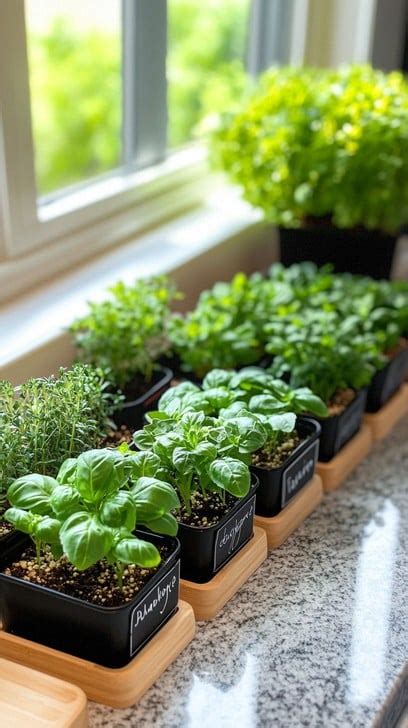
One of the most straightforward ways to enjoy fresh herbs in winter is to bring them inside. Not all herbs tolerate this equally well, but many popular varieties can thrive indoors with the right care.
Selecting and Potting Herbs for Indoors
- Choose Wisely: Basil can be tricky but possible; rosemary, thyme, oregano, mint, chives, parsley, and sage are generally good candidates.
- Pots and Soil: Use pots with good drainage holes and a quality potting mix. Terracotta pots are excellent as they allow the soil to breathe.
- Acclimatization: Before the first frost, gradually introduce your chosen herbs to indoor conditions over a week or two, moving them to a sheltered spot before bringing them fully inside.
Indoor Care for Thriving Herbs
Once indoors, provide plenty of light. A south-facing window is ideal, but supplemental grow lights can be a game-changer, especially in regions with short winter days. Water deeply when the top inch of soil feels dry, but avoid overwatering, which can lead to root rot. Keep an eye out for pests like spider mites and aphids, and address them quickly with organic solutions like neem oil.
Mastering Preservation Techniques
For herbs that don’t transition well indoors or for an abundant harvest, preservation is key. Drying and freezing are the most common and effective methods.
Drying Herbs
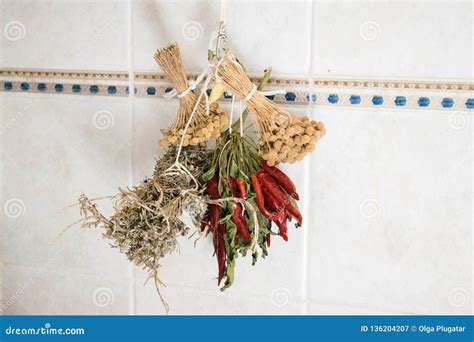
Drying concentrates the flavor of many herbs, making them excellent for cooking. Air drying is simple: bundle sprigs together and hang them upside down in a warm, dry, well-ventilated area away from direct sunlight. Alternatively, use a food dehydrator or even a low-temperature oven (under 100°F/38°C) for faster results. Herbs like oregano, thyme, rosemary, bay leaves, and sage dry particularly well. Store dried herbs in airtight containers in a cool, dark place.
Freezing Herbs
Freezing is superb for retaining the fresh flavor and vibrant color of tender herbs like parsley, cilantro, dill, chives, and basil. There are a few popular methods:
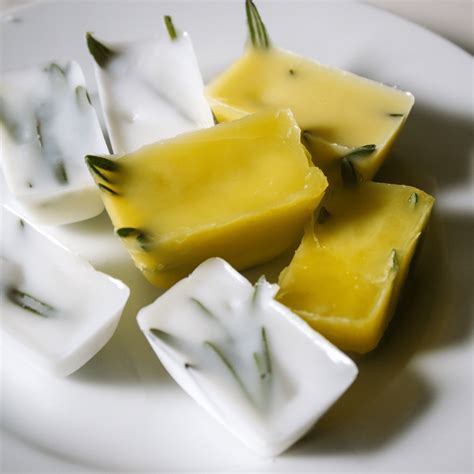
- Ice Cube Trays: Chop herbs finely, pack them into ice cube trays, cover with water or olive oil, and freeze. Once frozen, pop the cubes out and store them in freezer bags.
- Blanched and Frozen: For herbs like basil, blanching them briefly in boiling water before shocking in ice water helps retain color. Pat dry, chop, and freeze in freezer bags.
Frozen herbs are perfect for adding to soups, stews, sauces, and casseroles directly from the freezer.
Creative Preservation: Oils, Vinegars, and Butters
Beyond drying and freezing, you can infuse herbs into other culinary staples for year-round enjoyment.
- Herb-Infused Oils and Vinegars: Steep fresh or dried herbs in olive oil or white wine vinegar for a week or two. Strain and bottle. These make fantastic salad dressings, marinades, or thoughtful gifts.
- Compound Butters: Mix finely chopped fresh herbs (like chives, parsley, dill) into softened butter. Roll into a log, wrap in parchment paper, and freeze. Slice off a medallion whenever you need a burst of flavor for grilled meats, vegetables, or warm bread.

Outdoor Extension with Cold Frames
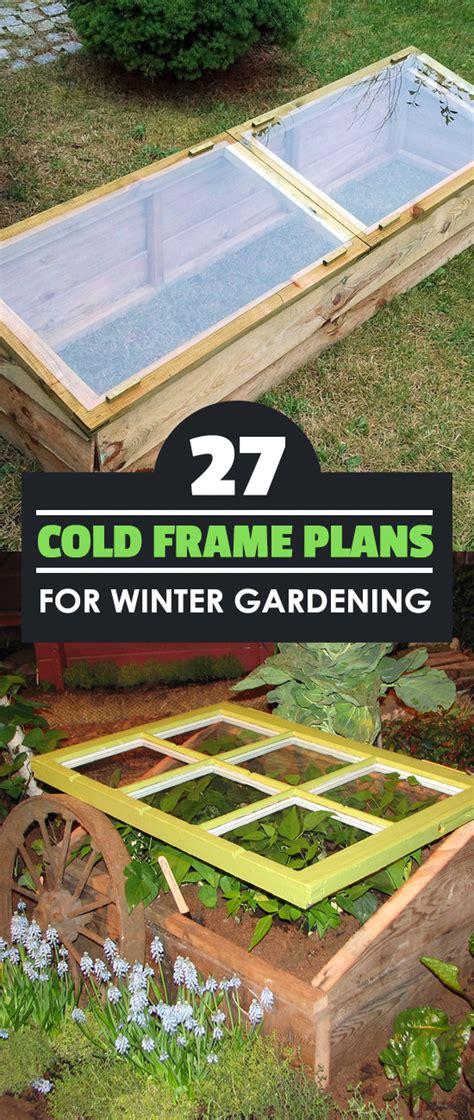
For those in milder climates, or to extend the outdoor growing season well into late fall and early spring, consider using cold frames or cloches. These simple structures provide protection from frost and keep the soil slightly warmer, allowing hardy herbs like parsley, sage, and thyme to continue producing leaves even during light freezes. Choose a sunny spot and ensure proper ventilation on warmer days to prevent overheating.
Conclusion
Don’t let the colder months deter you from enjoying the fresh flavors of your favorite herbs. Whether you’re bringing them indoors, preserving them through drying or freezing, or getting creative with infused oils and butters, there are numerous ways to ensure a continuous supply. Embrace these country living techniques, and your kitchen will be filled with the delightful aromas of summer, even in the heart of winter.