Tips for frugal family meal planning with garden bounty?

Having a bountiful garden is a fantastic way to enjoy fresh, healthy produce, but it also presents a wonderful opportunity to significantly cut down on your family’s grocery budget. Turning that vibrant harvest into economical, delicious meals requires a bit of planning and creativity. Here’s how you can master frugal family meal planning with your garden’s gifts.
Take Stock and Plan Ahead
The first step to frugal meal planning with garden bounty is knowing exactly what you have. Before you even think about recipes, take a thorough inventory of your garden. What’s ripe? What’s coming soon? What do you have in abundance, and what’s just a few pieces? This assessment will be the foundation of your meal plan. Create a list, and then brainstorm meals that feature these ingredients as the stars.
Consider the shelf life of different vegetables. Delicate greens might need to be used within a day or two, while squash or potatoes can last much longer. Prioritize using the most perishable items first to prevent waste, which is key to frugality.

Embrace Seasonal & Abundant Ingredients
When you have a surplus of a particular vegetable – perhaps zucchini in late summer or tomatoes in mid-season – build your meals around it. Instead of just making one zucchini dish, think about zucchini bread, grilled zucchini, zucchini noodles, or even sneaking it into casseroles. This approach not only ensures you use your produce efficiently but also encourages culinary creativity.
Don’t be afraid to try new recipes that highlight your garden’s stars. Look for recipes that use large quantities of seasonal vegetables, turning them into main courses rather than just side dishes. Think vegetable curries, hearty garden soups, or substantial salads.
Master the Art of Preservation
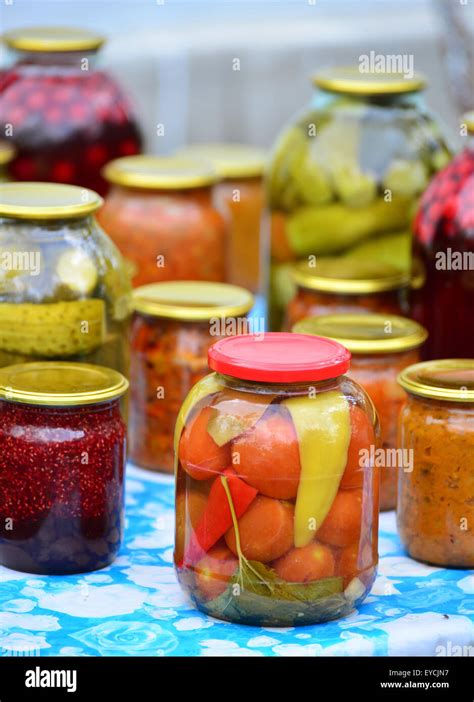
Even the most dedicated cook can’t eat all the bounty fresh. Preservation is a cornerstone of frugal garden-to-table living. Freezing, canning, drying, and fermenting are excellent ways to extend the life of your produce, allowing you to enjoy your garden’s flavors long after the growing season has ended. Blanched green beans can be frozen, tomatoes can be canned as sauce or salsa, herbs can be dried, and cucumbers can become pickles.
When planning, allocate specific days or blocks of time for preserving. This makes the task less daunting and ensures you don’t let any precious produce go to waste. Preserved goods can then be incorporated into your meal plans during colder months, saving you money on store-bought alternatives.
Batch Cook and Repurpose Leftovers
Maximize your efforts by batch cooking. If you’re making a large pot of marinara sauce from your garden tomatoes, make extra to freeze for future pasta nights or a base for chili. Cook a big batch of roasted root vegetables and use them in salads, frittatas, or as a side dish over several days.
Thinking about how ingredients can be repurposed is also crucial. Leftover roasted chicken paired with garden greens makes an excellent salad. Extra grilled vegetables can be chopped into a frittata for breakfast or mixed into a grain bowl for lunch. This mindset minimizes waste and reduces cooking time during busy weekdays.

Reduce Food Waste, Maximize Value
Frugality in the kitchen extends beyond just using your main harvest. Learn to use parts of plants you might typically discard. Beet greens are delicious sautéed, carrot tops can be made into pesto, and sturdy stems from kale or Swiss chard can be finely chopped and added to stir-fries or soups. Even vegetable scraps can be collected to make homemade vegetable broth, a versatile and cost-effective base for many dishes.
Composting any truly unusable scraps is the final step in closing the loop, returning nutrients to your garden for future bounty. Every little bit of waste reduction contributes to a more sustainable and frugal lifestyle.

Involve the Whole Family
Make meal planning and preparation a family affair. Children are often more willing to try new foods when they’ve been involved in growing or preparing them. Let them help harvest, wash vegetables, or even choose recipes from a list of options. This not only teaches them valuable life skills but also fosters an appreciation for where their food comes from, making healthy eating more appealing.
By consciously planning around your garden’s offerings, embracing preservation, and minimizing waste, you can transform your backyard into a powerful tool for feeding your family delicious, nutritious, and incredibly budget-friendly meals all year round. Enjoy the fruits (and vegetables!) of your labor!