




Tips for getting kids to help with real food prep and garden harvest?

Cultivating Little Helpers: Why and How to Involve Kids in Food Prep and Gardening
In a world increasingly disconnected from where food comes from, inviting children into the kitchen and garden offers invaluable lessons. It’s not just about getting an extra pair of hands; it’s about fostering curiosity, teaching essential life skills, promoting healthy eating habits, and creating cherished family memories. Getting kids involved with real food prep and garden harvest can transform mundane tasks into exciting adventures. Here’s how to make it a fun and rewarding experience for everyone.

Getting Started in the Garden: From Seed to Table
The garden is a magical classroom. Kids are naturally fascinated by dirt, bugs, and watching things grow. Involving them from the very beginning can instill a deep appreciation for nature and the food it provides.
- Give Them Ownership: Assign a small patch of garden as “theirs” or let them choose a few plants to be solely responsible for. This could be anything from a radish bed to a pot of cherry tomatoes.
- Choose Easy-to-Grow Plants: Opt for plants with quick gratification, like radishes, lettuce, snap peas, sunflowers, or bush beans. Seeing results fast keeps their interest piqued.
- Kid-Friendly Tools: Provide them with appropriate gardening gloves, a small trowel, and a watering can. These make them feel like a genuine contributor.
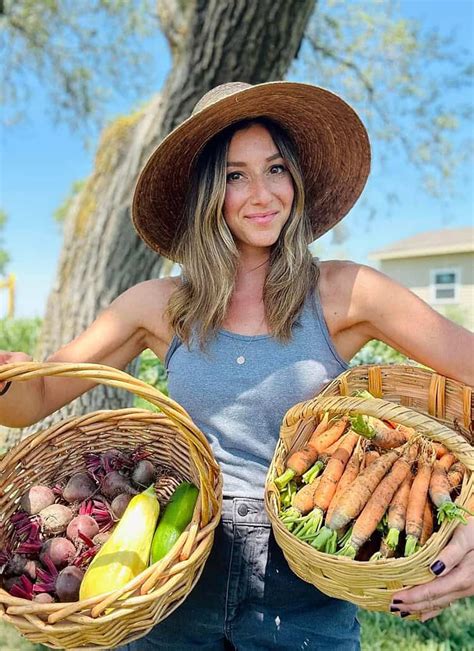
- The Harvest Hunt: (image anchor 2) Make harvesting a treasure hunt! Challenge them to find the ripest berries, the biggest cucumber, or the most colorful pepper. This turns a chore into a game.
Bringing It Indoors: Kitchen Adventures
Once the bounty is harvested, or even if you’re just starting with grocery store ingredients, the kitchen offers countless opportunities for kids to learn and contribute. Safety and age-appropriateness are key here.

Age-Appropriate Tasks for Young Chefs
- Toddlers (1-3 years): Washing fruits and vegetables, tearing lettuce, stirring ingredients in a bowl (empty or with supervision), mashing soft foods (like bananas), pressing cookie cutters.
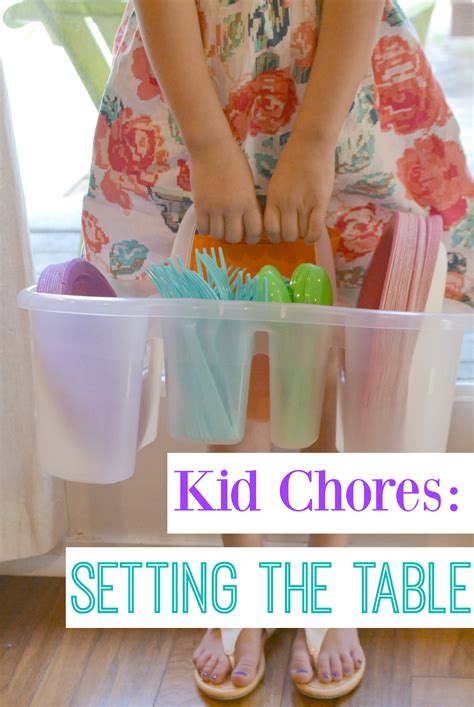
- Preschoolers (3-5 years): Measuring ingredients (pre-portioned), pouring, stirring, spreading, snapping green beans, shelling peas, kneading dough, setting the table.
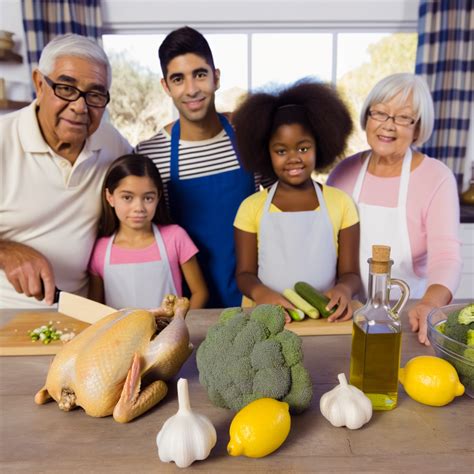
- School-Aged (5-8 years): Peeling (with a blunt peeler), grating cheese, chopping soft ingredients with a plastic knife, whisking, cracking eggs, reading simple recipes, helping load the dishwasher.
- Pre-Teens (9-12+ years): Using sharp knives with supervision, operating simple appliances (blender, toaster oven), following more complex recipes, planning meals, cooking simple dishes independently.

General Tips for Success and Sanity
Involving kids can sometimes mean more mess and a slower pace, but the long-term benefits far outweigh these minor inconveniences.
- Start Small and Simple: Don’t overwhelm them (or yourself). Pick one or two tasks per meal or gardening session.
- Be Patient and Flexible: Things might not go perfectly, and that’s okay. Focus on the learning and bonding experience, not a spotless kitchen or a perfect yield.
- Embrace the Mess: Expect spills and scattered ingredients. A small broom and dustpan for kids can turn clean-up into another activity.
- Talk and Teach: Explain what you’re doing and why. “We’re chopping these carrots so they cook faster,” or “We water the plants so they can drink.”
- Make it a Routine: Consistency helps. “Every Saturday, we’ll bake together,” or “After school, let’s check on the garden.”

The Sweet Rewards
The pride children feel when they eat something they’ve helped grow or prepare is immense. They’re more likely to try new foods, understand the value of healthy eating, and develop a sense of accomplishment. Beyond the culinary skills, they learn about patience, responsibility, teamwork, and problem-solving.
So, next time you’re heading to the kitchen or the garden, invite your little ones along. With a bit of planning, patience, and a willingness to embrace the learning curve, you’ll be cultivating not just fresh food, but also valuable life skills and unforgettable family moments.