

Tips for involving kids in homestead gardening & kitchen tasks daily?

Homesteading isn’t just about self-sufficiency; it’s a lifestyle that offers incredible opportunities for family bonding and education. Involving children in daily gardening and kitchen tasks not only lightens the load but also instills invaluable life skills, a sense of responsibility, and a deeper connection to where their food comes from. Transforming chores into engaging activities can be easier than you think, creating lasting memories and essential learning experiences.
Cultivating Green Thumbs in the Garden
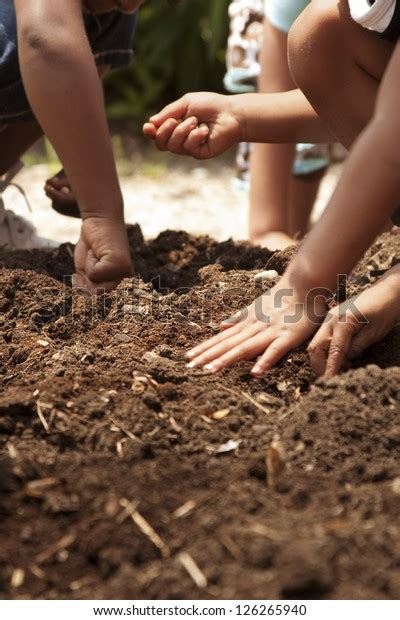
The garden is a fantastic classroom, offering sensory experiences and practical lessons in patience and biology. Tailor tasks to your child’s age and ability, fostering a sense of ownership over their contribution to the family’s food supply.
- Seed Starting & Planting: Even toddlers can help place large seeds (like beans or peas) into pots or poke holes for seedlings. Older children can be responsible for an entire raised bed or specific crop, from seed to harvest, learning about plant cycles and care.
- Watering & Weeding: Equip them with child-sized watering cans and gloves. Explain the importance of water for plants and how weeds compete for nutrients. Make a game out of identifying “good” plants from “bad” weeds, teaching them observation skills.
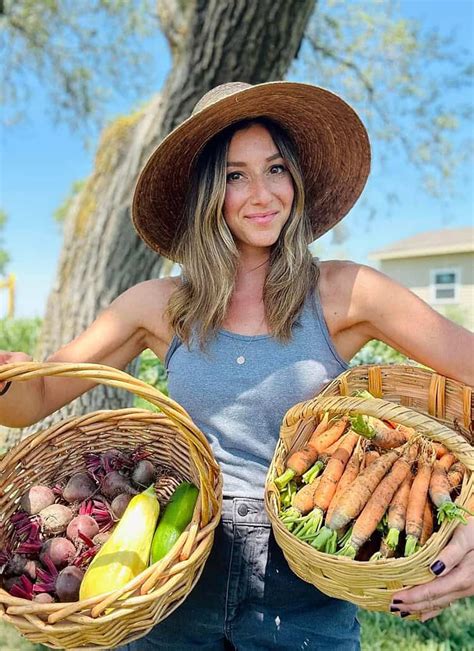
- Harvesting: This is often the most exciting part! Teach them how to identify ripe produce and how to pick it gently. Let them be the first to taste the fruits (and vegetables) of their labor, connecting effort to reward.
- Composting: Involve them in collecting kitchen scraps and adding them to the compost bin. Explain how it helps turn waste into rich soil, completing the natural cycle and teaching about resourcefulness.

Little Chefs in the Kitchen
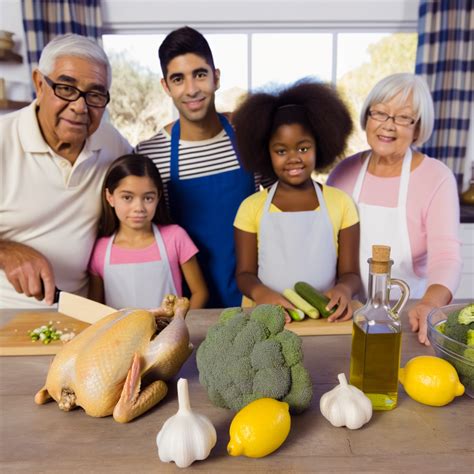
Bringing garden produce indoors naturally leads to kitchen tasks. The kitchen is another ideal space for learning practical skills, from food preparation to understanding nutrition and food safety, empowering them to contribute to meals.
- Washing & Prepping Produce: Simple tasks like washing freshly picked vegetables or tearing lettuce for a salad are great starting points. Older kids can help with peeling (with supervision), chopping soft fruits, or measuring ingredients, building fine motor skills and following instructions.
- Simple Cooking & Baking: Assign age-appropriate roles: stirring ingredients, mashing potatoes, kneading dough, or decorating cookies. Explain the steps and the science behind them, turning cooking into a fun science experiment.
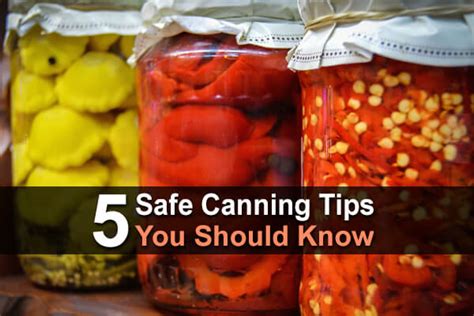
- Food Preservation Basics: Even just helping to fill jars for pickles or jams (with adult handling hot liquids) can be an exciting experience. They learn about extending the life of food and the satisfaction of self-sufficiency.
- Meal Planning & Shopping: Involve them in choosing recipes, especially those that use garden produce. For older kids, teach them to read ingredient labels and understand nutritional information, promoting healthy eating habits.

Tips for Success and Engagement
Keeping kids engaged and making these daily tasks a positive experience requires a thoughtful approach, focusing on fun, patience, and empowering them.
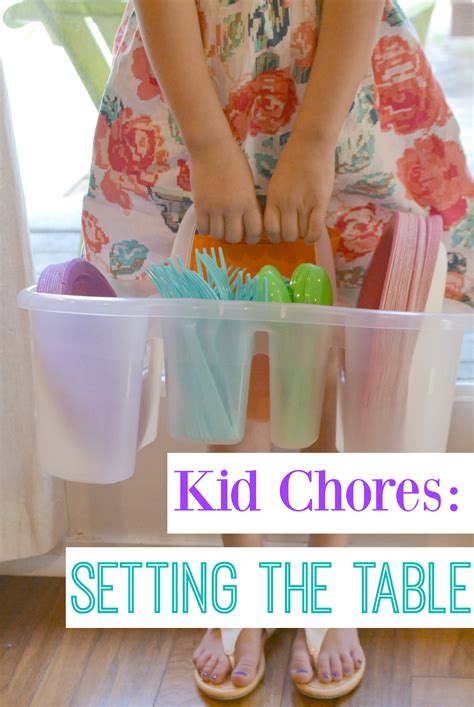
- Make it Fun and Age-Appropriate: Turn tasks into games, tell stories, or sing songs. Don’t expect perfection; focus on participation and effort, celebrating their enthusiasm.
- Be Patient and Set Realistic Expectations: Things will be slower, messier, and sometimes imperfect. Embrace the process over the outcome, valuing the learning experience above all.
- Teach, Don’t Just Instruct: Explain the ‘why’ behind each task. Why do we weed? Why do we wash our hands? This fosters understanding, curiosity, and critical thinking.
- Celebrate Small Victories: Acknowledge their efforts and successes, no matter how small. “Great job watering the beans!” or “This salad tastes amazing, thanks for tearing the lettuce!” Positive reinforcement goes a long way.
- Prioritize Safety: Always supervise, especially with sharp tools, hot stoves, or heavy loads. Teach safe practices from an early age, making safety a natural part of every activity.
- Give Them Ownership: Let them choose a plant to care for, or pick a meal to help prepare. This boosts their motivation, sense of responsibility, and pride in their contributions.

Fostering Lifelong Skills and Family Bonds
Involving children in homestead gardening and kitchen tasks goes beyond just getting chores done. It’s about cultivating crucial life skills, from practical competence and problem-solving to patience, teamwork, and an appreciation for nature’s bounty. These shared experiences create lasting memories, strengthen family bonds, and empower children with confidence and a deeper understanding of sustainable living. Start small, be consistent, and watch your children grow alongside your garden and culinary adventures, becoming capable and connected members of your homestead.