
Tips for involving kids in real food meal prep?
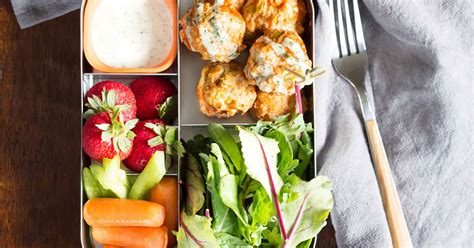
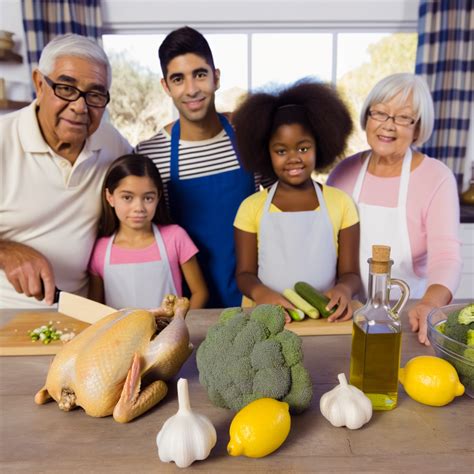
Bringing children into the kitchen for real food meal prep can transform a mundane chore into a fun, educational, and bonding experience. Beyond just helping you get dinner on the table, it instills crucial life skills, encourages healthier eating habits, and fosters a sense of accomplishment. It’s an investment in their future, teaching them where food comes from and how to nourish themselves. Here are some practical tips to make meal prep with kids a success, no matter their age.
Start Small and Simple
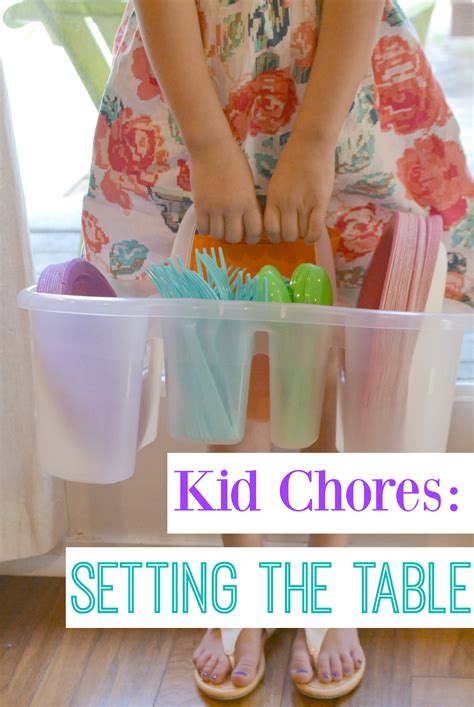
The key to success is to begin with age-appropriate tasks. For toddlers, simple actions like washing produce, tearing lettuce, or stirring ingredients in a bowl are perfect. Preschoolers can graduate to mashing avocados, measuring non-liquid ingredients, or setting the table. Older children can handle chopping softer vegetables with a kid-safe knife, reading recipes, or assembling simple dishes. Gradually introduce new tasks as their skills and confidence grow. Don’t overwhelm them with complex recipes from the start.

Make it Fun and Engaging
Turn meal prep into an adventure! Let kids choose a recipe from a selection of healthy options. Play music while you cook, tell stories, or discuss their day. Use colorful ingredients and child-friendly tools (like cookie cutters for sandwiches or vegetables) to make the process more appealing. Explain the ‘why’ behind each step and ingredient – for example, how carrots help their eyes or how protein makes them strong. When they feel invested and excited, they’re more likely to participate and even try new foods.
Teach as You Go
Meal prep is a fantastic opportunity for hands-on learning. Talk about different food groups, explain where ingredients come from (e.g., milk from cows, apples from trees), and teach basic math skills through measuring and counting. Discuss the importance of a balanced plate and how cooking at home is often healthier than eating out. This practical education sticks with them far more effectively than abstract lessons from a textbook.
Emphasize Safety and Hygiene
Before you begin, establish clear kitchen rules. Teach proper handwashing techniques, explain why we use separate cutting boards for meat and vegetables, and demonstrate safe knife handling (if applicable to their age). Supervise closely, especially when using heat or sharp tools. Make sure they understand the importance of cleaning up spills and putting tools away. These foundational habits are crucial for their safety and future culinary independence.
Be Patient and Flexible
Expect messes and slower progress when kids are involved. The goal isn’t culinary perfection or speed; it’s about the experience and skill-building. Be patient, offer encouragement, and resist the urge to take over if they’re struggling. Allow them to make small mistakes and learn from them. If a child isn’t in the mood, don’t force it; find another time or another small task they might be willing to do. The joy of cooking should be a positive experience, not a source of stress.

Conclusion
Involving kids in real food meal prep is a rewarding endeavor that goes far beyond the kitchen. It cultivates independence, boosts confidence, develops fine motor skills, and lays the groundwork for a lifetime of healthy eating habits. While it requires a bit more time and patience, the memories created and the skills imparted are invaluable. So, put on some aprons, roll up your sleeves, and invite your little chefs to join in the delicious adventure of cooking together.