Tips for joyful, screen-free family meal times with real food?

In our increasingly digital world, carving out moments of genuine connection can feel like a challenge, especially around the dinner table. Family mealtimes, once a cornerstone of daily life, are now often accompanied by the glow of screens, distracting us from one another and the nourishing food before us. Reclaiming these moments for joyful, screen-free interaction, centered around wholesome real food, isn’t just a nostalgic ideal—it’s a powerful way to strengthen family bonds, foster healthy eating habits, and create lasting memories.
This article will guide you through practical, actionable tips to transform your family’s mealtime experience from a hurried necessity into a cherished ritual of togetherness and wholesome sustenance. Prepare to swap screen time for genuine conversation, processed snacks for vibrant, real ingredients, and chaotic dining for peaceful, joyful moments.
Set the Stage for Screen-Free Success
The journey to joyful, screen-free meals begins even before the food hits the table. Setting clear expectations and involving your children can significantly increase their buy-in and enthusiasm.
Communicate Expectations Clearly
Before you make any changes, sit down as a family and discuss the “why.” Explain that the goal isn’t to punish, but to create a space for everyone to connect, share their day, and enjoy delicious food without distractions. Establish a clear “no screens at the table” rule for everyone, including parents. Designate a charging station away from the dining area for all devices during meal times.
Involve Kids in Meal Prep
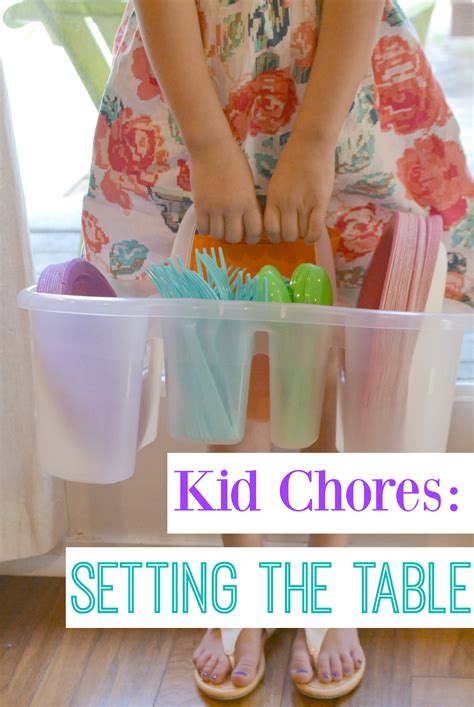
Children are often more willing to eat and enjoy meals they’ve helped prepare. Simple tasks like washing vegetables, stirring ingredients, setting the table, or choosing a side dish can give them a sense of ownership and excitement for the upcoming meal. This also provides an excellent opportunity to teach them about real food and where it comes from.

Make Mealtimes Engaging and Interactive
Once screens are put away, the “what now?” question can arise. The key is to fill that space with engaging interactions that foster communication and connection.
Encourage Conversation Starters
Instead of relying on screens, cultivate conversation. Have a jar of “conversation starters” on the table with simple questions like, “What was the funniest part of your day?” or “If you could have any superpower, what would it be?” Ask open-ended questions and genuinely listen to the answers. Share your own experiences too; kids love hearing about their parents’ day.
Play Simple Mealtime Games
Lighthearted games can add an element of fun. “Two Truths and a Lie,” “I Spy,” or “Rose and Thorn” (sharing one good thing and one challenging thing from the day) are great options that don’t require any equipment. These games create a relaxed atmosphere and encourage everyone to participate.

Prioritize Real Food with Joy
The “real food” aspect is just as crucial as the screen-free environment. Eating well nourishes the body and mind, and making it enjoyable encourages healthy habits for life.
Focus on Fresh, Simple Ingredients
Real food doesn’t have to be complicated. Prioritize fresh fruits, vegetables, whole grains, and lean proteins. Simple preparations that highlight natural flavors are often the most delicious. Think roasted vegetables, grilled chicken, fresh salads, and fruit for dessert. Involve children in grocery shopping to learn about different ingredients.
Make Presentation Appealing
We eat with our eyes first! A little effort in presentation can make even the simplest real food meal more inviting, especially for picky eaters. Use colorful plates, arrange food attractively, or let kids build their own “bowls” or “tacos.” Cut sandwiches into fun shapes or offer a variety of colorful vegetable sticks.
Eat Together, Eat Mindfully
Encourage everyone to slow down and savor their food. Talk about the flavors, textures, and aromas. This mindful eating can improve digestion and help family members recognize feelings of fullness, preventing overeating. It also reinforces the idea that mealtime is a special shared experience, not just a refueling stop.

Establish Consistent Routines
Consistency is key when building new habits. Regular routines help children feel secure and understand expectations.
Establish a Regular Mealtime Schedule
Try to eat dinner (and other meals) around the same time each day. This predictability helps regulate appetites and makes it easier for everyone to plan their activities around mealtime. Consistency signals that mealtime is important and non-negotiable family time.
Lead by Example
This is perhaps the most critical tip. Children learn by observing their parents. If you’re on your phone or constantly checking emails during dinner, your children will likely follow suit. Put your phone away, engage in conversation, and demonstrate genuine enjoyment of the food and the company. Your actions speak louder than any rules you set.

Embrace Imperfection and Enjoy the Journey
Transforming mealtime habits won’t happen overnight, and there will be challenging days. Embrace imperfection, celebrate small victories, and remember that the goal is progress, not perfection. The effort you put into creating joyful, screen-free family meals with real food is an investment in your family’s health, happiness, and connection—an investment that will yield priceless dividends for years to come.