
Tips for keeping homemade garden food fresh for country road trips?

Savoring Your Garden’s Bounty on the Open Road
There’s nothing quite like the taste of fresh produce from your own garden. Bringing that homegrown goodness along on a country road trip elevates the experience, turning rest stops into gourmet picnics. However, keeping delicate garden treasures fresh and safe from spoilage on a journey requires a bit of planning and a few smart strategies. Here’s how to ensure your delicious harvest stays at its peak from your backyard to the open road.

The Foundation: Smart Food Selection and Prep
Before you even think about packing, consider what you’re bringing. Some garden foods are more road-trip friendly than others.
- Choose Wisely: Opt for hardier vegetables and fruits like carrots, bell peppers, cherry tomatoes, apples, and citrus that hold up well without refrigeration for short periods. Leafy greens, delicate berries, and cooked dishes require more rigorous cooling.
- Pre-Cool Everything: A critical step often overlooked. Chill all prepared food, containers, and even your cooler itself in the refrigerator or freezer for several hours before packing. Starting cold is key to staying cold.
- Wash and Dry Thoroughly: Wash all produce before packing. Moisture promotes spoilage, so ensure everything is completely dry before placing it in containers.
Packing Perfection: Containers and Wraps
How you pack your food directly impacts its longevity and safety.
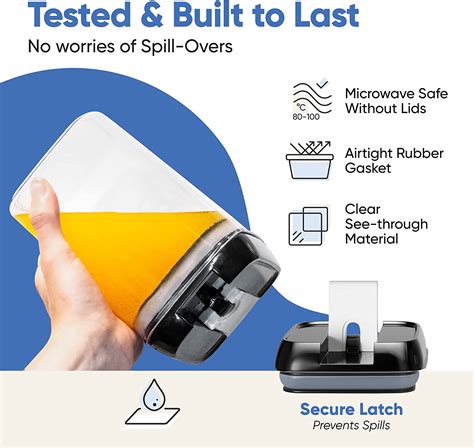
- Airtight Containers are Your Best Friend: Invest in high-quality, airtight containers. They prevent leaks, keep odors contained, and protect food from external contaminants and air exposure, which can speed up spoilage. Glass containers are excellent for maintaining temperature but can be heavy.
- Separate Wet from Dry: Pack dressings, sauces, and watery items separately until you’re ready to eat. For salads, keep greens, toppings, and dressing in individual compartments or containers.
- Wrap Delicate Items: Use beeswax wraps, parchment paper, or reusable silicone bags for delicate items like herbs, bread, or muffins to protect them and allow some breathability while preventing drying out.
The Cooling Cavalry: Coolers and Ice Packs
Your cooler system is the frontline defense against spoilage.
- Quality Cooler Matters: A well-insulated hard-sided cooler offers the best temperature retention. For shorter trips or supplementary storage, an insulated soft-sided cooler can work.
- Ice, Gel Packs, or Frozen Water Bottles: A combination is often best. Use frozen water bottles or juice boxes (they provide hydration and keep things cold) along with traditional ice or gel packs.
- Strategic Packing: Place ice or frozen items at the bottom of the cooler, then layer with items that need to stay coldest (meats, dairy, cooked dishes). Top with less perishable items. Fill any empty spaces with crumpled newspaper or towels to minimize air circulation.
![11 BEST Ice Packs For Coolers [2025]: Ice & Gel Packs](/images/aHR0cHM6Ly90czIubW0uYmluZy5uZXQvdGg/aWQ9T0lQLlBONlNSTmRhRWtjYjNydmRwNGc3TmdBQUFBJnBpZD0xNS4x.webp)
On the Road: Storage and Safety Tips
Once you’re driving, maintaining freshness is an ongoing task.
- Keep the Cooler Cool: Store your cooler in the coolest part of your vehicle, out of direct sunlight. The trunk can often get very hot, so the passenger compartment might be better if air conditioning is running.
- Minimize Opening: Every time you open the cooler, cold air escapes. Try to plan your snacks and meals so you only access the cooler when necessary. Consider having a smaller, easily accessible bag for frequently consumed items like water bottles.
- Practice Food Safety: Remember the two-hour rule: perishable foods should not be left at room temperature (between 40°F and 140°F) for more than two hours. On a hot day (above 90°F), this window shrinks to one hour.
- Hand Hygiene: Always have hand sanitizer or wipes readily available before handling food.
Specific Food Strategies for Garden Goodies
- Salads: Pack greens in a large, airtight container with a paper towel to absorb moisture. Keep dressing in a separate small container. Add toppings like sliced cucumbers, bell peppers, or cherry tomatoes just before serving.
- Sandwiches/Wraps: Pack bread, fillings (like sliced garden tomatoes, cucumbers, or herbs), and spreads separately. Assemble them fresh at your stop to prevent sogginess.
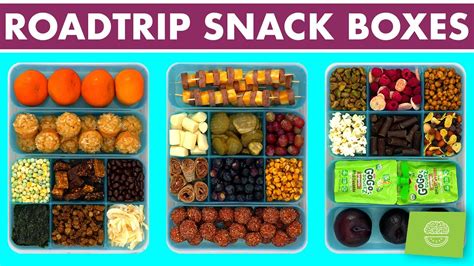
- Hardy Fruits & Veggies: Wash and cut items like carrots, celery, bell peppers, and cucumbers into snack-sized sticks. Store them in airtight containers. Berries should be washed and thoroughly dried, then stored in a shallow container with a paper towel.
- Baked Goods: Muffins, zucchini bread, or fruit tarts from your garden can travel well. Pack them in a sturdy container to prevent crushing, and keep them out of direct sunlight.
Enjoying the Harvest on the Highway
With a little preparation and smart packing, your homemade garden food can be a delightful and healthy part of any country road trip. Enjoy the satisfaction of farm-to-vehicle dining, knowing that your efforts have preserved the fresh flavors and goodness of your homegrown harvest. Happy travels and bon appétit!