Tips for making a truly flaky, buttery homemade pie crust from scratch?

A truly flaky and buttery pie crust is the hallmark of any exceptional homemade pie. It’s a delicate balance of science and art, where simple ingredients transform into a tender, melt-in-your-mouth foundation for your favorite fillings. While store-bought crusts offer convenience, nothing compares to the rich flavor and superior texture of one made from scratch. If you’re ready to elevate your pie game, here are the essential tips to achieve that coveted flaky, buttery perfection.
The Foundation: Quality, Cold Ingredients
Your journey to a perfect pie crust begins with the ingredients themselves. Quality matters, and so does their temperature. Use high-quality, unsalted butter – it has a higher fat content and better flavor. Make sure it’s ice-cold, ideally cut into cubes and even frozen for 10-15 minutes before use. This is crucial for creating those pockets of steam that result in flakiness. All-purpose flour is usually sufficient, but some bakers swear by pastry flour for a more tender crumb. Always use ice-cold water; some even add a splash of vinegar or vodka to inhibit gluten development, leading to a more tender crust.

The Art of Mixing: Don’t Overwork It
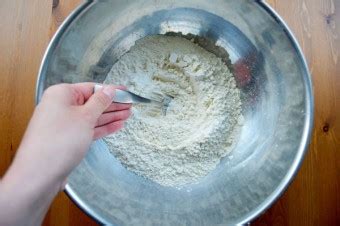
Overworking the dough is the cardinal sin of pie crust making. When you overmix, you develop the gluten in the flour too much, leading to a tough, bready crust instead of a flaky one. The key is to cut the cold butter into the flour until it resembles coarse crumbs with some pea-sized pieces remaining. These larger butter pieces are what will melt in the oven, creating steam and separating the layers of dough for flakiness. You can use a pastry blender, two knives, or even your fingertips (working quickly to avoid warming the butter) to achieve this.
Once the butter is incorporated, gradually add the ice water, a tablespoon at a time, mixing just until the dough barely comes together. It should look shaggy and crumbly but hold together when squeezed. Stop adding water the moment it reaches this consistency. Less is often more; too much water makes for a tough dough.
Chill Out: The Power of Resting
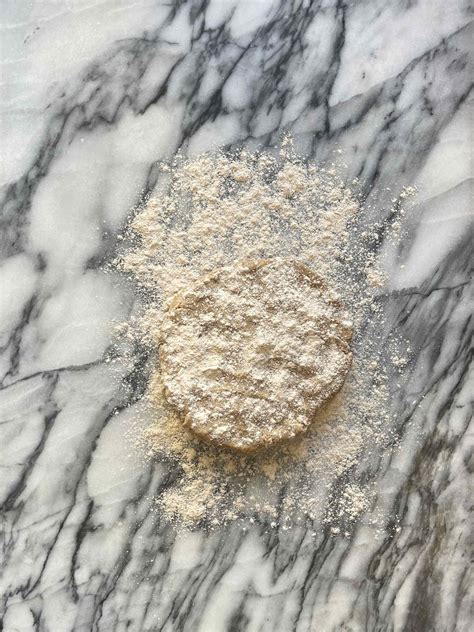
After your dough is mixed, gently form it into a disk (or two, if making a double-crust pie) and wrap it tightly in plastic wrap. Refrigerate it for at least 30 minutes, or even better, 2 hours. This resting period is non-negotiable. Chilling allows the gluten to relax, making the dough easier to roll out without shrinking. It also re-chills the butter, ensuring it remains solid for maximum flakiness during baking. You can even make the dough a day or two in advance.
Rolling with Care: Technique Matters
When it’s time to roll, work on a lightly floured surface with a lightly floured rolling pin. Start from the center and roll outwards, rotating the dough frequently to prevent sticking and to ensure an even thickness. Avoid stretching the dough, as this can cause it to shrink dramatically when baked. Aim for about an 1/8-inch thickness, and make sure it’s large enough to fit your pie plate with an overhang for crimping.

The Bake: Temperature and Blind Baking
For most pies, particularly those with wet fillings, blind baking (or par-baking) the crust is essential to prevent a soggy bottom. Line the dough with parchment paper, fill it with pie weights, dried beans, or rice, and bake it in a hot oven (around 400°F / 200°C) until the edges are golden. Remove the weights and parchment, then continue baking for a few more minutes until the bottom is light golden. This initial blast of heat helps set the butter and creates those crucial layers.
When baking your finished pie, starting with a high temperature (e.g., 425°F / 220°C for the first 15-20 minutes) helps the butter in the crust puff up quickly, contributing to flakiness, before reducing the temperature to finish baking the filling.

Conclusion
Making a truly flaky, buttery homemade pie crust from scratch is a rewarding endeavor. It requires patience, attention to detail, and a reverence for cold ingredients and gentle handling. By following these tips – focusing on quality butter, minimal mixing, generous chilling, careful rolling, and strategic baking – you’ll soon be turning out pie crusts that are the stuff of legend, crispy, tender, and incredibly delicious with every bite. Happy baking!