Tips for making garden tomatoes last longer in homemade sauces?

Unlock the Year-Round Flavor of Your Garden Tomatoes
There’s nothing quite like the taste of fresh, sun-ripened tomatoes straight from the garden. The challenge, however, often lies in preserving that bounty for enjoying throughout the year, especially when transforming them into delicious homemade sauces. With a few smart tips and techniques, you can extend the life of your garden tomato sauces, ensuring you savor that summer flavor long after the growing season ends.

Preparation is Key: Setting the Stage for Longevity
The journey to a long-lasting sauce begins even before the cooking process. Proper preparation of your tomatoes can significantly impact the final product’s quality and shelf life.
Blanching and Peeling for Smoothness and Preservation
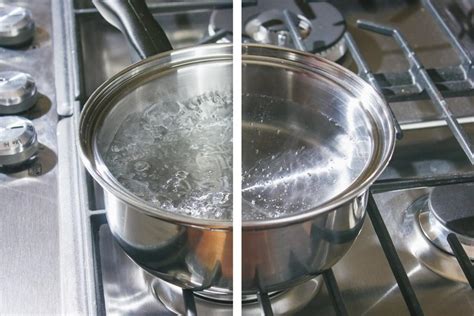
Blanching and peeling tomatoes removes the tough skins, which can become chewy in sauces and may harbor unwanted bacteria. Simply make a small ‘X’ incision on the bottom of each tomato, plunge them into boiling water for 30-60 seconds, then immediately transfer to an ice bath. The skins will slip off easily, resulting in a smoother, more palatable sauce.
Seed Removal: Reducing Bitterness and Increasing Density
While optional, removing seeds can reduce the bitterness sometimes associated with tomato seeds and helps create a denser, more concentrated sauce. Cut tomatoes in half and gently squeeze out the seeds, or use a spoon to scoop them out.
Choosing Your Preservation Method for Sauce Bases
Once your tomatoes are prepped, decide how you want to preserve them. The two most popular methods for sauces are freezing and canning.
Freezing Tomatoes: Simple and Versatile
Freezing is perhaps the easiest method for preserving tomatoes, especially if you plan to make sauce later. You can freeze them:
- Whole or Diced: After blanching and peeling, chop tomatoes as desired and freeze them on baking sheets before transferring to freezer bags to prevent clumping.
- Pureed: Cook down peeled and deseeded tomatoes, then puree them and freeze in air-tight containers or freezer bags, leaving headspace for expansion. This creates a ready-to-use sauce base.
Frozen tomatoes maintain their flavor well and can be used directly in sauce recipes.

Canning for Shelf-Stable Goodness
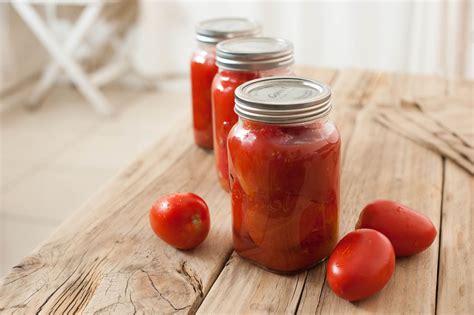
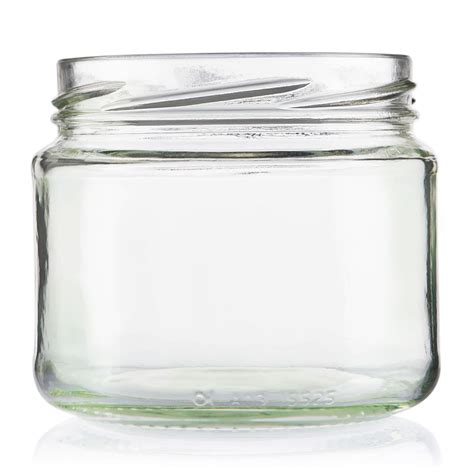
Canning offers a shelf-stable solution, allowing you to store your sauce at room temperature. For tomatoes and tomato sauces, proper acidification is crucial for safety, especially with water bath canning. Always follow tested recipes from reliable sources (like the USDA) that specify the addition of lemon juice or citric acid to ensure the acidity is high enough to prevent botulism.
- Water Bath Canning: Suitable for high-acid tomato sauces.
- Pressure Canning: Necessary for low-acid ingredients added to tomato sauces (like meats or certain vegetables) or if you prefer not to add extra acid.
Crafting the Sauce for Maximum Shelf Life
Beyond the raw preservation, how you cook your sauce also plays a role in its longevity.
Reducing Moisture for a Concentrated Flavor
A thick, well-reduced sauce has less water content, which means less opportunity for spoilage. Cook your sauce over low heat, allowing it to simmer gently and evaporate excess liquid until it reaches your desired consistency. This also concentrates the flavors.
The Role of Acidity and Salt
Natural acidity in tomatoes, often bolstered by added lemon juice or vinegar (especially for canning), acts as a natural preservative. Salt also contributes to preservation and enhances flavor. Ensure your sauce has a balanced profile, both for taste and safety, particularly if you plan to can it.
Storing Your Finished Homemade Sauce
Once your sauce is cooked, the storage method determines its ultimate lifespan.
Freezing Cooked Sauce
The simplest way to store cooked sauce is to freeze it. Allow the sauce to cool completely, then portion it into freezer-safe containers or bags, leaving about an inch of headspace. It will last effectively for 6-12 months in a standard freezer.
Refrigeration Guidelines
Freshly cooked sauce, properly cooled and stored in an airtight container, will last for 5-7 days in the refrigerator. Always use clean utensils when serving to avoid introducing contaminants.

Enjoy Your Garden’s Bounty All Year
By implementing these tips for preparation, preservation, and storage, you can transform your abundant garden tomatoes into delicious, long-lasting homemade sauces. Imagine the joy of serving a taste of summer in the middle of winter, all thanks to a little planning and effort. Happy cooking and preserving!