


Tips for making nutritious sourdough bread with homegrown grains?

Embracing the Wholesome Goodness of Homemade
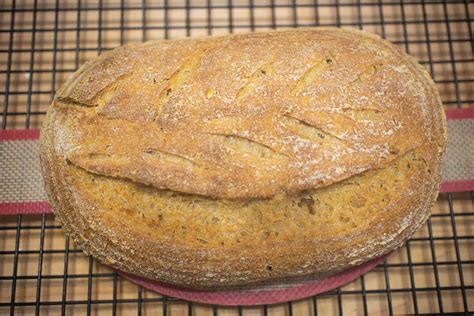
There’s a unique satisfaction that comes from baking bread, especially when you’ve nurtured the grains from seed to loaf. Combining the ancient art of sourdough with the freshest, most nutrient-dense homegrown grains elevates this experience, creating a truly wholesome and flavorful staple for your table. Moving beyond store-bought flour allows you to control every aspect of your bread’s quality, unlocking superior nutrition and an unparalleled depth of flavor.
This guide will walk you through the key steps and considerations for crafting exceptional sourdough bread using grains you’ve grown yourself, focusing on maximizing both taste and nutritional benefits.
Choosing and Preparing Your Homegrown Grains
The journey to nutritious sourdough begins with your grain selection. Different varieties of wheat, spelt, rye, and even heritage grains offer distinct flavor profiles and protein structures. For a truly nutritious loaf, opt for hard red wheat, spelt, or rye, known for their robust gluten development and rich nutrient content. Once harvested, proper cleaning and storage are paramount to prevent spoilage and maintain quality.
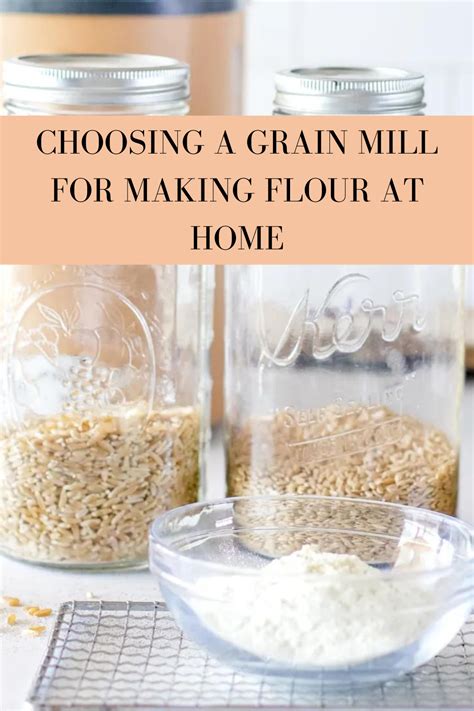
The most crucial step for maximizing nutrition is milling your grains at home, ideally just before baking. Freshly milled flour retains all its germ, bran, and endosperm, packed with vitamins, minerals, and enzymes that degrade rapidly once exposed to air. A good home grain mill is a worthy investment, allowing you to produce whole grain flour that is vibrant in flavor and superior in nutritional value compared to commercially processed alternatives.
Mastering Your Sourdough Starter with Whole Grains
Your sourdough starter is the heart of your bread, and feeding it with freshly milled whole grains will dramatically enhance its vitality and flavor. The robust nutrients in whole grain flour provide a feast for wild yeasts and lactic acid bacteria, resulting in a more active and resilient starter. Aim for a regular feeding schedule using a 1:1:1 ratio of starter, water, and freshly milled flour (by weight).
Observe your starter closely: it should be bubbly, active, and smell pleasantly yeasty with a hint of tang. A strong whole-grain starter contributes to better rise, improved crumb structure, and a deeper, more complex flavor in your final loaf. Don’t be afraid to experiment with different whole grain flours to feed your starter; rye flour, for instance, can give it a significant boost due to its high nutrient content.

Crafting Your Nutritious Loaf: The Baking Process
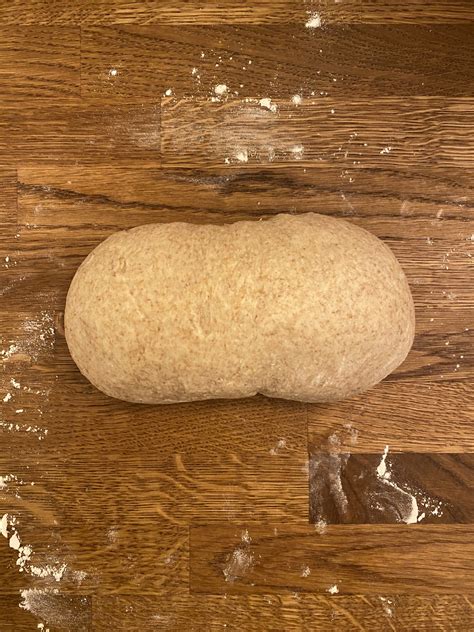
Working with whole grain, freshly milled flour often requires adjustments to traditional sourdough recipes. Whole grains absorb more water, so be prepared for higher hydration levels (often 75-85% or more) to achieve a workable dough. Embrace the stickiness—it’s a sign of a well-hydrated dough that will yield a moist crumb.
Key steps for a nutritious whole grain sourdough:
- Autolyse: Mix flour and water first and let it rest for 30-60 minutes before adding the starter and salt. This allows the flour to fully hydrate and enzymes to begin breaking down starches, improving dough extensibility.
- Long Fermentation: A long bulk fermentation (often 4-8 hours at room temperature, followed by an overnight cold proof) is crucial. This extended period allows the sourdough cultures to break down antinutrients, improve digestibility, and develop complex flavors.
- Gentle Handling: Whole grain doughs can be less elastic than white flour doughs. Use gentle folding and stretching techniques during bulk fermentation rather than aggressive kneading.
- Baking: Bake in a Dutch oven or with steam to create a crispy crust and achieve maximum oven spring. Preheat your oven and Dutch oven thoroughly.
Enhancing Nutritional Value and Flavor Further
Beyond the inherent benefits of whole grains and sourdough fermentation, you can further boost the nutrition and flavor of your bread:
- Seed Power: Incorporate flax seeds, chia seeds, pumpkin seeds, or sunflower seeds into your dough. They add healthy fats, fiber, and micronutrients. Soaking seeds beforehand can improve their digestibility and prevent them from absorbing too much moisture from your dough.
- Sprouted Grains: If you’re feeling adventurous, sprouting a portion of your grains before milling can increase nutrient bioavailability and add a sweet, malty flavor.
- Different Grain Blends: Experiment with blending different homegrown whole grain flours (e.g., wheat and rye) to achieve unique textures and nutritional profiles.

The Reward: A Loaf of Health and Heart
Baking sourdough bread with your homegrown, freshly milled grains is more than just a culinary endeavor; it’s a testament to self-sufficiency and a commitment to nourishing your body with the best nature has to offer. The process connects you deeply to your food, from the soil to your plate. The resulting loaf will not only be packed with superior nutrition and incredible flavor but also infused with the satisfaction of a job well done.
Enjoy the journey and the delicious, healthy bread it brings to your country living kitchen!