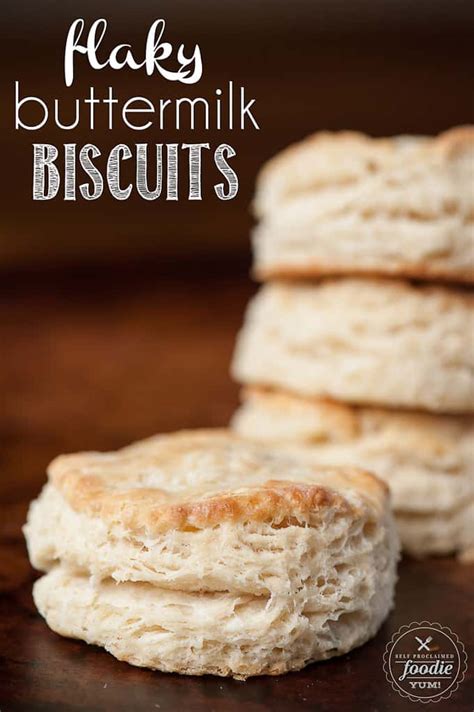
Tips for making truly tender, flaky homemade biscuits from scratch?

The Quest for the Perfect Biscuit
There’s nothing quite like a warm, tender, and flaky biscuit, fresh from the oven, ready to be slathered with butter, jam, or gravy. While store-bought varieties offer convenience, the depth of flavor and texture of a homemade biscuit is unparalleled. Many home bakers find biscuits intimidating, often resulting in dense, tough, or flat creations. Fear not! With a few key principles and a little practice, you can consistently bake biscuits that are truly tender on the inside and beautifully flaky on the outside.
Start with the Right Ingredients
The foundation of a great biscuit lies in its components. Prioritize quality and temperature for best results.
- Cold Fat is King: This is perhaps the most crucial tip. Use very cold, unsalted butter (or a combination of butter and lard). The cold fat melts slowly in the hot oven, creating pockets of steam that push the dough layers apart, resulting in flakiness. Cube your butter and even freeze it for 15-20 minutes before using.
- Chilled Buttermilk: Buttermilk provides both flavor and an acidic component that reacts with baking soda, aiding in leavening. Ensure it’s straight from the refrigerator.
- Low-Protein Flour: A softer, lower-protein flour (like White Lily or a good quality all-purpose flour, avoiding bread flour) yields a more tender crumb.
- Fresh Leavening: Always check the freshness of your baking powder and baking soda. Expired leavening agents lead to flat, dense biscuits.

Mastering the Mix: Technique is Key
How you combine your ingredients is just as important as what you use.
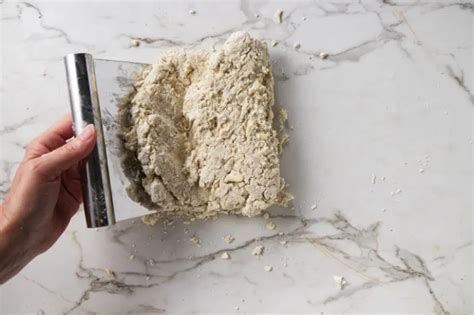
- Cut in the Fat Properly: Incorporate the cold butter into the flour mixture quickly. You can use a pastry blender, two knives, or even your fingertips. The goal is to break the butter into pea-sized or slightly larger pieces, ensuring some larger chunks remain. This creates those essential pockets of steam. Avoid overworking the butter, as your hands’ warmth can melt it prematurely.
- Don’t Overmix: Once the buttermilk is added, mix just until the dry ingredients are moistened and a shaggy dough forms. Overmixing develops the gluten in the flour, leading to tough biscuits. A few dry patches are perfectly fine – they will hydrate as the dough rests.
The Folding Secret to Flaky Layers
This technique is what separates good biscuits from truly exceptional, flaky ones. It mimics a simplified version of puff pastry.
- Turn the shaggy dough out onto a lightly floured surface.
- Gently pat the dough into a rough rectangle.
- Fold the dough in thirds, like a letter (bring one side to the middle, then the other side over that).
- Rotate the dough 90 degrees, then gently pat it out into a rectangle again.
- Repeat the folding process 2-3 more times. This layering creates numerous thin sheets of dough separated by butter, which will puff up dramatically in the oven.
Cutting and Baking for Optimal Rise
Even at this final stage, technique matters for a sky-high rise.
- Cut Straight Down: When using a biscuit cutter, press straight down without twisting. Twisting seals the edges of the biscuit, preventing it from rising properly.
- Close Together on the Pan: For soft-sided biscuits that rise taller, place them relatively close together on the baking sheet. For crustier, individual biscuits, space them further apart.
- Hot Oven, Fast Bake: Biscuits thrive in a hot oven (usually 425-450°F / 220-230°C). The high heat helps the butter melt quickly, creating steam that lifts the layers before the crust sets. Bake until golden brown and puffed.
Troubleshooting Common Biscuit Issues
- Tough Biscuits: Almost always due to overworking the dough. Handle it as little as possible.
- Flat Biscuits: Could be old leavening, butter that was too warm, or twisting the cutter.
- Dry Biscuits: Not enough liquid, or baking at too low a temperature for too long.
Your Tender, Flaky Biscuit Journey
Making truly tender and flaky homemade biscuits is a rewarding baking endeavor. By focusing on cold ingredients, minimal handling, strategic folding, and precise cutting, you’ll be well on your way to mastering this beloved comfort food. Don’t be discouraged by initial attempts; like any good baking skill, practice makes perfect. Soon, you’ll be enjoying the ultimate homemade biscuit experience.