Tips for packing homemade food to avoid pricey, unhealthy road trip stops?

Embarking on a road trip offers unparalleled freedom and adventure, but it often comes with the challenge of finding healthy and affordable food options. Relying solely on fast food and convenience store snacks can quickly drain your wallet and leave you feeling sluggish. The good news is that with a little planning, you can enjoy delicious, nutritious, homemade meals and snacks that save you money and keep your energy levels high throughout your journey.
Mastering Your Road Trip Menu
The key to successful road trip eating starts with thoughtful menu planning. Opt for foods that are easy to prepare, store well, and are convenient to eat in a moving vehicle. Think beyond just sandwiches; a variety of options will keep your taste buds happy.
- Wraps & Sandwiches: These are classic for a reason. Use whole-grain bread or tortillas and fill them with lean protein (turkey, chicken, hummus), cheese, and plenty of veggies. Pack fillings separately if you want to assemble fresh to avoid sogginess.
- Salads in a Jar: Layer dressings at the bottom, followed by hard vegetables (carrots, cucumbers), grains, protein, and finally leafy greens on top. Shake and serve when ready.
- Hard-Boiled Eggs: A fantastic source of protein, easy to peel and eat.
- Fruit & Veggie Sticks: Apples, bananas, grapes, oranges, carrots, celery, bell peppers – all great for a quick, refreshing bite. Pack with a small container of hummus or nut butter.
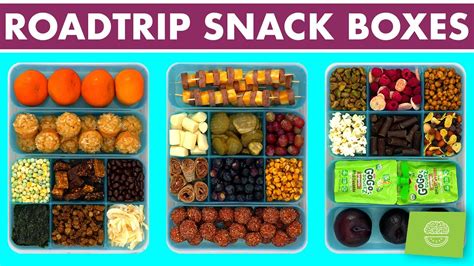
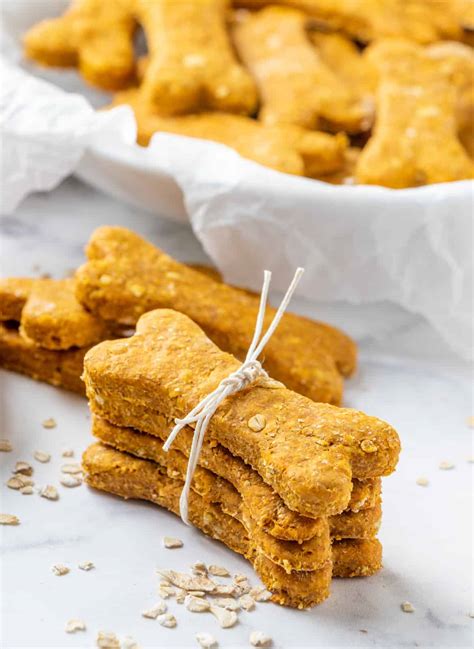
- Homemade Snacks: Energy bites, trail mix, granola bars, and roasted chickpeas are healthier and cheaper alternatives to store-bought options.
Smart Packing Strategies for Freshness
Proper packing is crucial for keeping your food fresh and accessible. A good cooler is your best friend on the road, but how you pack it makes all the difference.
- Invest in a Quality Cooler: A well-insulated cooler with a tight seal will keep your perishables safe for longer. Consider a hard-sided cooler for durability.
- Use Ice Packs or Frozen Water Bottles: These last longer and create less mess than loose ice. Frozen water bottles double as drinking water once melted.
- Compartmentalize: Use reusable containers of various sizes to separate different food items. This prevents squishing, leakage, and cross-contamination. Bento boxes are excellent for this purpose.
- Pack by Meal: Organize your cooler so that items for your next meal or snack are easily accessible, rather than buried at the bottom. Consider a smaller, accessible soft cooler for immediate snacks.
- Don’t Forget Dry Goods: Keep non-perishables like crackers, chips, bread, and sealed snacks in a separate bag or bin outside the cooler.

Hydration is Key: Drinks on the Go
Staying hydrated is just as important as eating well. Bringing your own drinks saves a surprising amount of money and ensures you have healthier options.
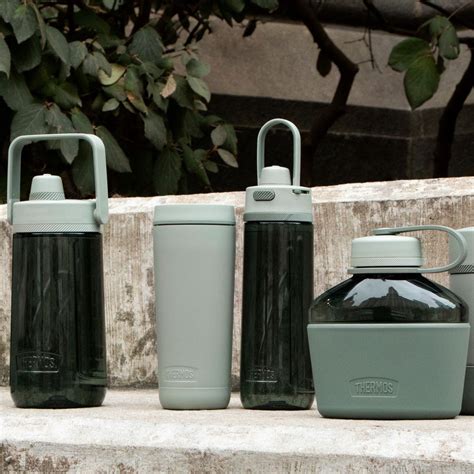
- Reusable Water Bottles: Fill them up before you leave and at rest stops with water fountains.
- Homemade Iced Tea or Lemonade: Prepare a batch of your favorite refreshing drink and store it in a reusable jug.
- Coffee/Tea Thermos: If you’re a coffee or tea drinker, bringing your own keeps you fueled without frequent (and expensive) drive-thru stops.
Essential On-the-Go Accessories
Eating in your car or at a picnic spot isn’t always glamorous, but a few simple accessories can make it much more enjoyable and mess-free.
- Utensils & Napkins: Pack reusable forks, spoons, and knives, along with a roll of paper towels or a stack of napkins.
- Wet Wipes & Hand Sanitizer: Indispensable for quick clean-ups before and after eating.
- Trash Bags: Keep a few small bags handy to collect wrappers, fruit peels, and other refuse. Dispose of them responsibly at designated bins.
- Cutting Board & Knife: A small, sturdy cutting board and a paring knife can be useful for slicing fruit, cheese, or making last-minute sandwiches.

Enjoy the Journey, Sustainably
Packing homemade food for your road trip is more than just a money-saving tactic; it’s a way to ensure you’re fueling your body with healthy, delicious options, giving you more energy to enjoy the sights and sounds of your adventure. It also reduces waste from single-use packaging. With a bit of preparation, you can transform your road trip eating experience from a costly, unhealthy chore into an integral, enjoyable part of your journey.