Tips for packing homemade, real food for a long drive or country picnic?
Embarking on a long drive or a serene country picnic offers the perfect opportunity to savor homemade food. Ditching fast food and opting for your own culinary creations not only saves money but also ensures healthier, more delicious meals. However, successful food packing requires a bit of foresight and strategy. This guide will help you master the art of transporting your culinary delights, keeping them fresh, safe, and easy to enjoy.
Choose Travel-Friendly Foods
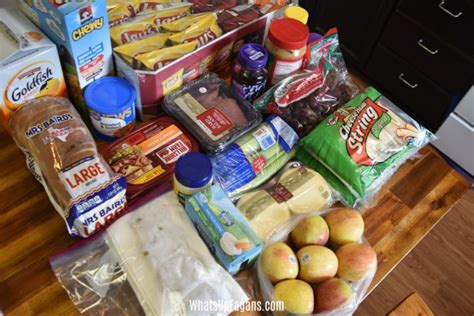
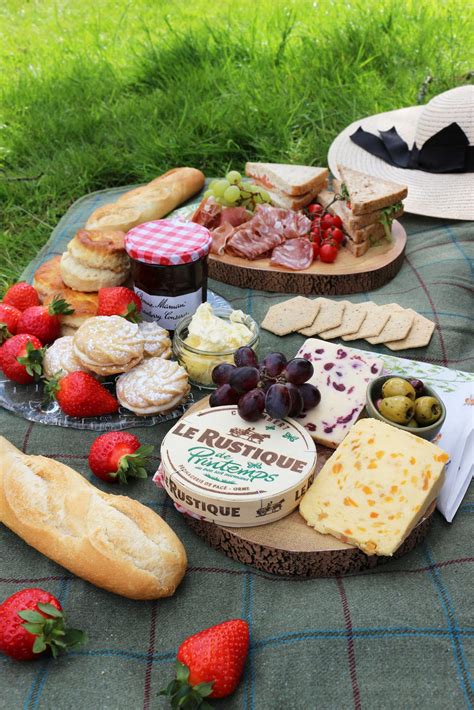
When planning your menu, think about durability and ease of consumption. Opt for foods that aren’t overly delicate, prone to spoiling quickly, or require extensive assembly. Sandwiches, wraps, pasta salads, roasted vegetables, hard-boiled eggs, and sturdy fruit (like apples or grapes) are excellent choices. Avoid anything too saucy, greasy, or crumbly, which can lead to messy situations in a moving vehicle or on uneven picnic blankets.
Preparation is Key
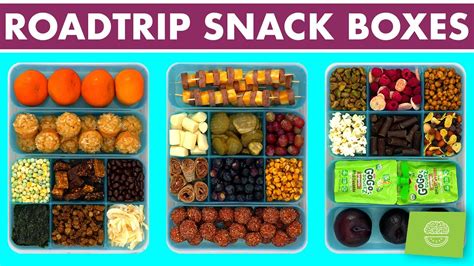
The secret to stress-free mealtime on the go lies in pre-preparation. Wash and chop all vegetables, slice cheeses, cook meats, and assemble components ahead of time. For salads, keep dressings separate and add them just before serving to prevent sogginess. Portion out individual servings into separate containers where possible, which makes distribution easier and minimizes mess. For example, pack a variety of small containers with different snacks like nuts, berries, or cheese cubes.
Master the Art of Smart Packing
Effective packing is crucial for maintaining food quality and safety.
- Insulated Coolers & Bags: Invest in high-quality insulated bags or coolers. For longer trips, a hard-sided cooler offers superior insulation.
- Ice Packs & Frozen Bottles: Use plenty of ice packs or frozen water bottles to keep perishables cold. Place them strategically at the bottom and on top of your food. Frozen water bottles double as drinking water as they melt.
- Airtight Containers: Prevent leaks and keep food fresh by using airtight, leak-proof containers. Glass containers are excellent for keeping food secure and don’t absorb odors, though they are heavier.
- Layering: Pack heavy, sturdy items at the bottom and lighter, more delicate items on top. Keep raw meats separate from ready-to-eat foods to prevent cross-contamination.
Don’t Forget the Essentials
Food isn’t the only thing you need. A well-stocked accessory bag can make all the difference.
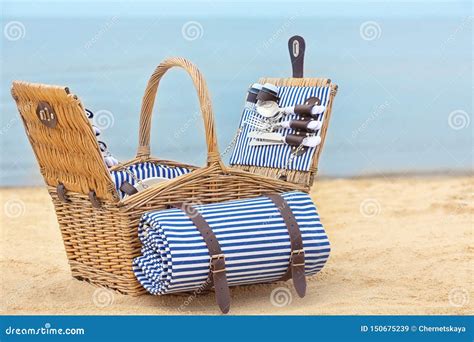
- Utensils & Napkins: Reusable cutlery, plates, and cloth napkins are eco-friendly options. Don’t forget serving utensils if needed.
- Trash Bags: Always pack a couple of trash bags for waste and dirty dishes.
- Hand Sanitizer & Wet Wipes: Essential for hygiene, especially when water isn’t readily available.
- Cutting Board & Knife: A small travel cutting board and a sharp, sheathed knife can be useful for last-minute slicing of bread or fruit.
Prioritize Food Safety
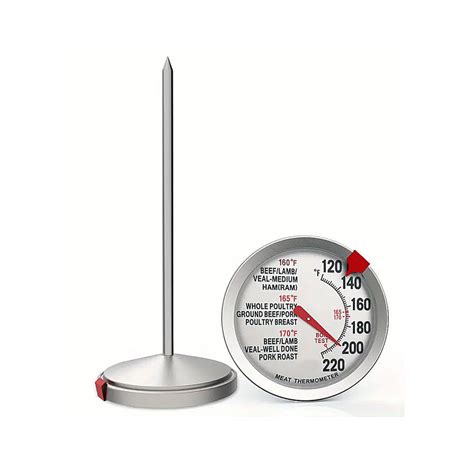
Food safety should never be overlooked, especially when dealing with perishable items away from refrigeration. The “danger zone” for food temperatures is between 40°F (4°C) and 140°F (60°C), where bacteria multiply rapidly.
- Keep it Cold: Ensure your cooler maintains a temperature below 40°F (4°C). Check it periodically on long trips.
- Consumption Times: Consume perishable foods within 2-4 hours if not adequately chilled. On hot days, this window shrinks. When in doubt, throw it out.
- Avoid Cross-Contamination: Use separate containers for different food types, especially raw meats and ready-to-eat items.
Conclusion
With a little planning and the right techniques, packing homemade real food for a long drive or country picnic can be an enjoyable part of the adventure. By choosing durable foods, preparing them smart, packing them efficiently, and prioritizing safety, you’ll be able to savor delicious, home-cooked meals wherever your journey takes you. Happy travels and happy eating!