




Tips for perfectly seasoning and maintaining heirloom cast iron cookware?

Heirloom cast iron cookware isn’t just a collection of pots and pans; it’s a legacy, a testament to enduring craftsmanship and countless meals shared. Unlike modern non-stick alternatives, cast iron improves with age and proper care, developing a natural, robust non-stick surface known as seasoning. Mastering the art of seasoning and maintenance is key to unlocking its full potential and ensuring it remains a cherished tool for generations to come.
The Foundation: Initial Seasoning for New or Restored Cast Iron
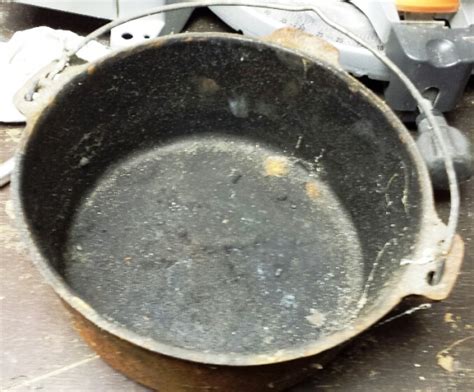
Whether you’ve inherited a rusty family piece or acquired a new “bare” cast iron pan, the first step is proper initial seasoning. This involves baking on multiple thin layers of oil to create a durable, non-stick polymer coating. First, ensure the pan is meticulously clean and dry. If it’s rusty, you might need to strip it down to bare metal using electrolysis, oven cleaner, or a vinegar bath, followed by thorough scrubbing and drying.
Once clean, apply a very thin, even coat of a high smoke point oil (like flaxseed, grapeseed, or canola oil) to the entire pan, inside and out, including the handle. Wipe off any excess meticulously; the goal is a microscopic layer, not a thick one. Place the pan upside down in an oven preheated to 450-500°F (232-260°C) for one hour. After an hour, turn off the oven and let the pan cool completely inside. Repeat this process 3-5 times for a robust initial seasoning.
Routine Seasoning: Maintaining the Non-Stick Surface
The beauty of cast iron is that every time you cook with fat, you’re essentially adding to its seasoning. Regular use, especially with oils and fats, is the best way to maintain and improve your pan’s non-stick properties. Pan-frying, searing, and baking with a little oil all contribute to a beautiful, dark patina. Avoid cooking highly acidic foods (like tomato sauces or vinegar-based dishes) in newly seasoned or poorly seasoned pans, as acidity can strip the seasoning.
Cleaning Your Heirloom: Gentle Yet Effective
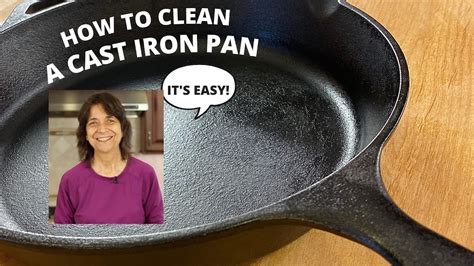
One of the most common misconceptions about cast iron is that you can’t use soap. While harsh detergents used to be a problem, modern dish soaps are milder and generally fine for seasoned cast iron, in moderation. The key is not to strip the seasoning. After cooking, clean your pan while it’s still warm (but not scorching hot).
- Hot Water & Scraper: Often, hot water and a stiff brush or a pan scraper are all you need to remove food bits.
- Coarse Salt Scrub: For stubborn bits, make a paste with coarse salt and a little water, then scrub with a paper towel. Rinse thoroughly.
- Minimal Soap: If necessary, use a tiny drop of dish soap and scrub quickly, then rinse immediately and thoroughly.
Drying and Re-Oiling: Crucial Steps for Longevity
Rust is the arch-nemesis of cast iron. To prevent it, always dry your pan immediately and thoroughly after washing. You can:
- Wipe it completely dry with a towel.
- Place it on a stovetop over low heat for a few minutes until all moisture evaporates.
Once dry and slightly warm, apply another very thin layer of high smoke point oil (like grapeseed, canola, or even cooking spray) to the entire surface, inside and out. Wipe off any excess with a clean paper towel until the pan looks almost dry to the touch. This provides a protective barrier and continues to build the seasoning.

Storage Best Practices
Proper storage prevents moisture accumulation and damage.
- Dry Place: Store in a dry cabinet or pantry, away from humidity.
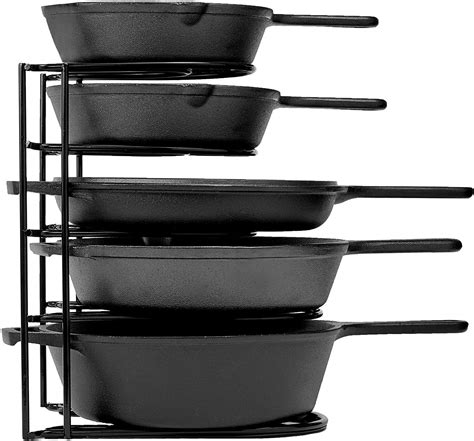
- Air Circulation: If stacking pans, place a paper towel or a thin cloth between them to allow for air circulation and absorb any residual moisture. This also prevents scratches.
- Hanging: Hanging pans is an excellent way to ensure air circulation and prevent scratching.
Troubleshooting Common Issues
- Rust: If rust appears, scrub it off with steel wool or a rust eraser, then wash, dry, and re-season that spot immediately.
- Sticky Seasoning: This usually means too much oil was applied during seasoning, or it wasn’t heated long enough. Scrub off the sticky residue, then reapply a much thinner coat of oil and bake again.
- Dull Spots: These are areas where seasoning might have worn off. Simply cook with more fat or apply a thin coat of oil and heat the pan on the stovetop or in the oven until it smokes slightly, then cool.
The Enduring Beauty of Heirloom Cast Iron
With a little consistent effort, your heirloom cast iron cookware will not only last a lifetime but will also become an increasingly joy-filled tool in your kitchen. Each perfectly seared steak, crispy cornbread, or oven-roasted chicken will deepen its seasoning, making it more non-stick and a true pleasure to cook with. Embrace the journey of maintaining these timeless pieces, and they will reward you with exceptional culinary results for generations.